The hunt for more natural sunscreens is on
Amparo Garcia/Shutterstock
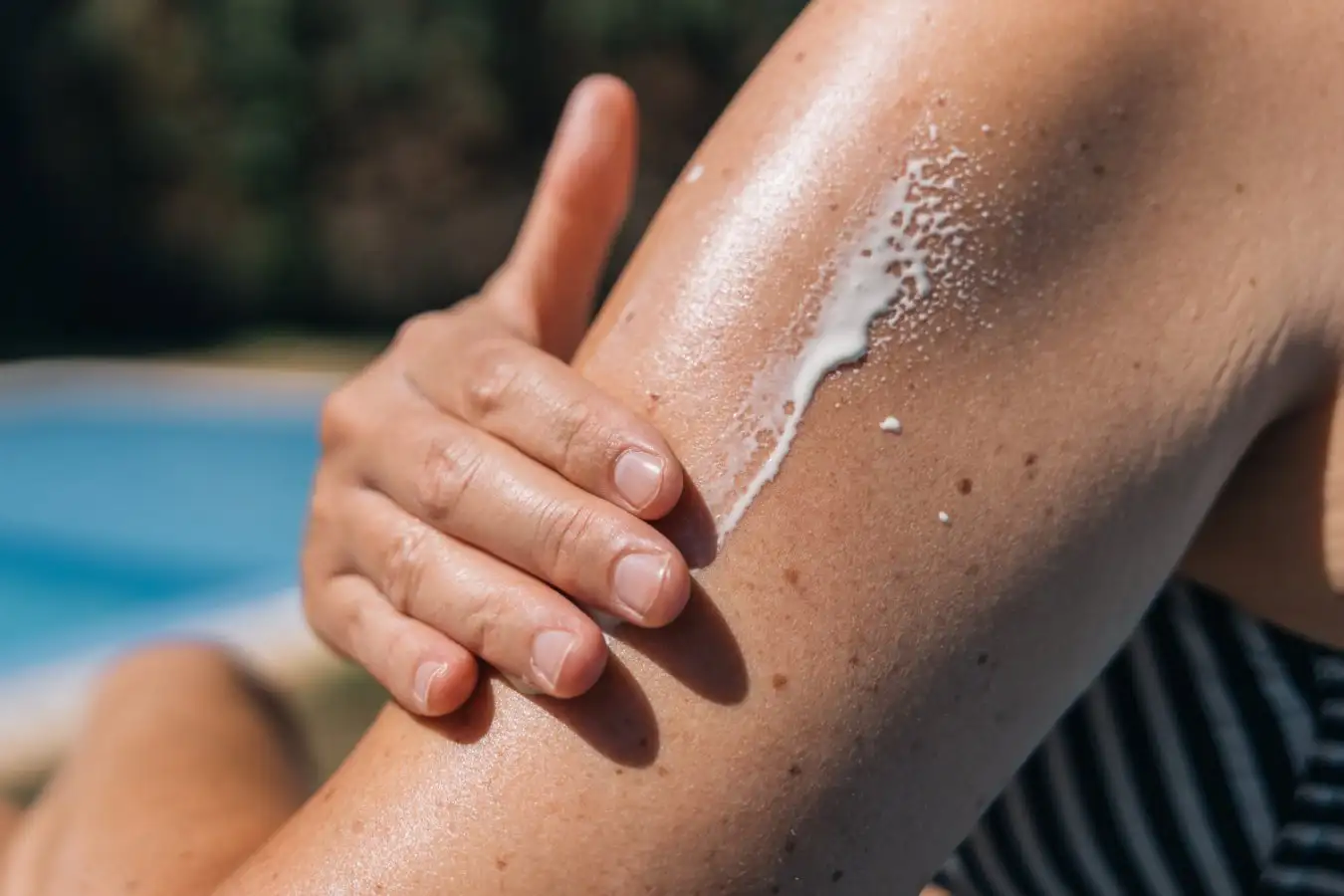
Sunscreens enhanced with lignin, a component of wood, can have sun protection factors (SPFs) that exceed 180. They also seem to last longer and penetrate less into the skin than existing products, potentially making them safer.
Sunscreens are an important defence against skin cancer, but, in recent years, there has been growing unease and confusion regarding their safety. A recent US survey found that 14 per cent of young adults think that daily sunscreen use is more harmful than direct sun exposure.
This has arisen since the US Food and Drug Administration (FDA) published research showing that several common sunscreen ingredients can get through the skin into the bloodstream. This doesn’t necessarily mean they are harmful, and long-term studies haven’t found risks associated with daily sunscreen use, but the FDA has called for more research to investigate.
In the meantime, scientists are searching for natural alternatives to existing sunscreen chemicals that may be safer for human health, while also being less harmful to coral and other marine life when they wash off into the oceans.
One of the most promising sun-protective substances from nature is lignin, which glues plant cell walls together and gives tree trunks strength. It also protects plants from ultraviolet (UV) radiation from the sun.
A major challenge to utilising lignin has been extracting it from wood. Traditional methods have used harsh chemicals that turn lignin from a light colour to almost black, making it unsuitable for use in sunscreens.
Now, two groups at South China University of Technology have found ways to extract lignin from wood without darkening it and then used it to make sunscreens.
One group, led by Jun Li, extracted pale yellow lignin from poplar wood by milling and sieving it into a fine powder. Lignin was then dislodged from the powder using ultrasonic waves. The other group, led by Yong Qian, extracted pale pink lignin from birch wood using a similarly mild procedure.
Both groups then processed the lignin to turn it into nanoparticles, which they mixed with plain white creams to make sunscreens.
Subsequent testing showed that the pale yellow lignin sunscreen had an SPF of 20, while the pale pink one had an SPF of 19, making them both moderately effective. They were also broad-spectrum, meaning they protected against the two types of UV radiation that damage the skin, UVA and UVB. When rubbed on the skin, they blended with light skin tones and had a pleasantly smooth feel.
Since these lignin sunscreens aren’t as protective as many sunscreens on the market, which have SPF values of 50+, Qian and his colleagues tried combining them with existing ingredients. When the team encapsulated two common sunscreen ingredients, avobenzone and octinoxate, inside lignin nanoparticles, their SPF jumped up to more than 180. It should be noted, however, that sunscreens can’t be marketed as more than SPF 50+ because SPF values above 50 don’t provide much more protection, because of the way the scale works.
Putting existing sunscreens inside lignin nanoparticles also made them more resistant to breakdown, allowing them to last longer in the sun. It also stopped them from penetrating the skin, potentially making them safer.
Qian says he and his colleagues are now further testing one of their lignin nanoparticle sunscreens on people. So far, “it is safe and has good sunscreen performance,” he says.
Aside from lignin, other sun-protective substances from nature that are being investigated include components of seaweed, ferns, squid and human hair.
Topics:
Source link : https://www.newscientist.com/article/2511666-sunscreens-made-from-ground-up-wood-reach-an-spf-of-over-180/?utm_campaign=RSS%7CNSNS&utm_source=NSNS&utm_medium=RSS&utm_content=home
Author :
Publish date : 2026-01-20 10:00:00
Copyright for syndicated content belongs to the linked Source.