After we learn how to care for ourselves, healthcare eventually asks something harder: how do we care for someone we cannot make better?
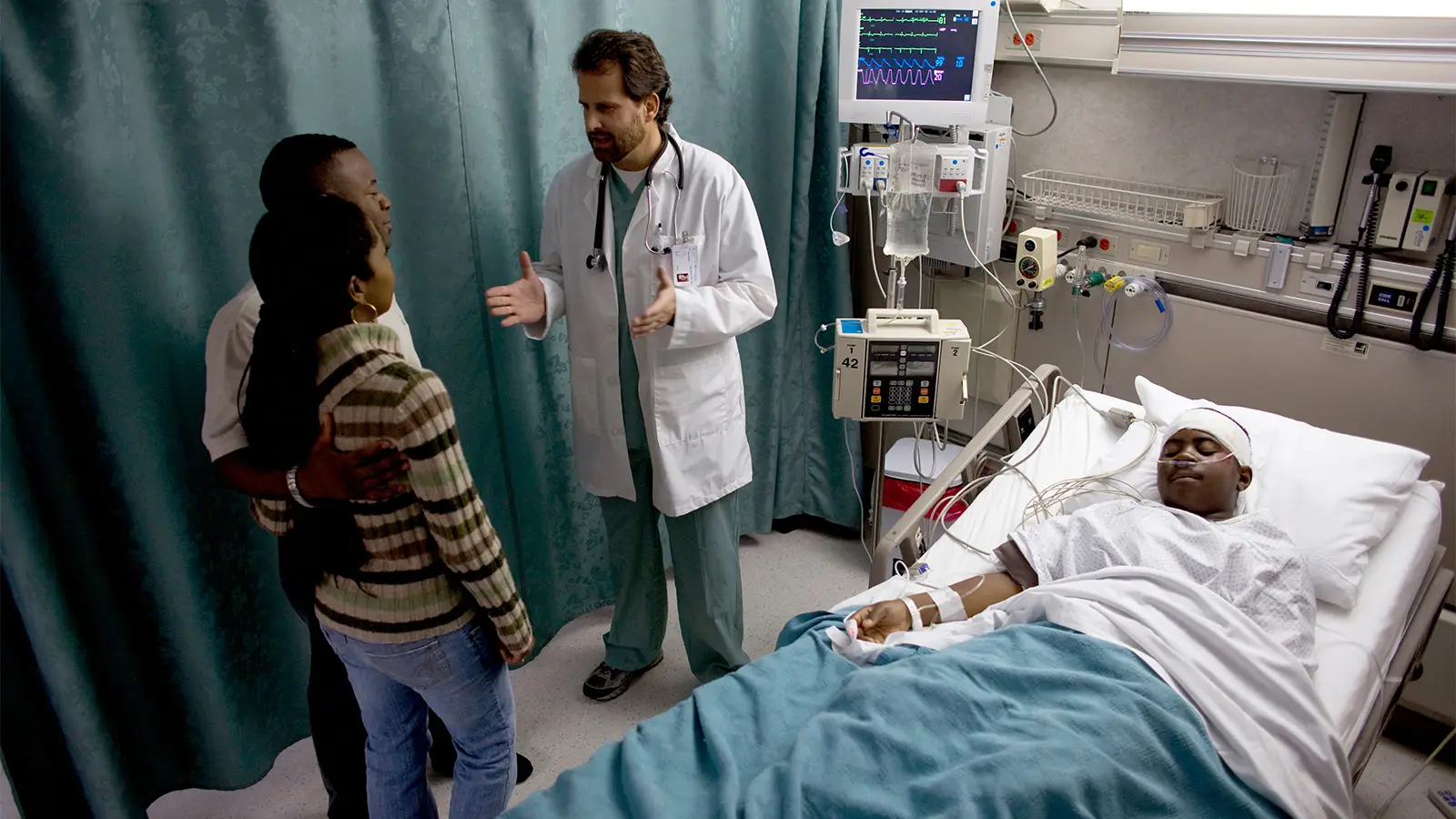
There is a moment many clinicians recognize. You are standing in a patient’s room. The monitors are quieter than before. The patient is sleeping more. The family is watching you carefully — not asking the question directly, but waiting. They sense something has changed. You review the medications, adjust the plan, explain the next steps. And still, the unspoken question remains in the room: “Is my loved one dying?”
In medicine we are trained to diagnose and treat. We learn lab values, medications, and escalation pathways. We are prepared for action. We are far less prepared for this conversation. Modern healthcare divides care into roles. Physicians guide treatment decisions. Nurses monitor symptoms. Social workers coordinate resources. Chaplains address meaning and faith. Yet, the moment of naming what is really happening does not clearly belong to any one discipline — and so, it is often delayed.
Psychiatrist Elisabeth Kübler-Ross, MD, described common emotional responses people may experience when facing serious illness — often referred to as denial, anger, bargaining, depression, and acceptance — not as a strict sequence, but as an attempt to understand how patients process difficult truth. She also observed that patients often understand their situation before it is spoken aloud. Clinicians may delay this discussion not because they lack compassion, but because the words feel heavy. We worry about removing hope, choosing the wrong phrase, or causing harm.
Without explanation, families often interpret normal changes as emergencies. Increased sleep, decreased appetite, and changes in breathing can lead to late-night ambulance calls because no one has explained that these may be natural parts of serious illness. Public educators have begun helping fill this gap. Hospice nurse Julie McFadden, RN, has gained a large public following through widely viewed educational videos explaining the medical and physical changes that often occur during the dying process.
The response to this type of education has been notable. In comments and conversations surrounding this content, many people express relief at finally having clear explanations of what they witnessed with a loved one. People are not asking for death, they are asking for understanding.
The hardest situations are often the youngest patients. When there are children, plans, and unfinished milestones, clinicians keep searching for another treatment and families hold tightly to small improvements. No one wants to introduce the possibility that time may be limited — not because we are hiding the truth, but because we understand what those words may mean to the people hearing them. These conversations are not about certainty. They are about preparing families for what may be ahead, so important time is not lost to confusion or fear.
But silence rarely protects patients.
When someone finally explains gently what is happening, something shifts. The room becomes quieter. Families move closer to the bed. The conversation changes from “What else can we do?” to “How can we keep them comfortable — and make the time that remains meaningful?”
Healthcare cannot always change the outcome. But it can change how a person and their family experience it. Patients do not expect perfect words. They need honesty, gentleness, and someone willing to remain present after difficult news is shared.
Beata Pasek, EdD, MPPM, is a health researcher specializing in problems of practice in healthcare. She has extensive experience coordinating and managing clinical studies across multiple specialties in both adult and pediatric populations.
Source link : https://www.medpagetoday.com/opinion/second-opinions/120409
Author :
Publish date : 2026-03-20 15:48:00
Copyright for syndicated content belongs to the linked Source.