[ad_1]
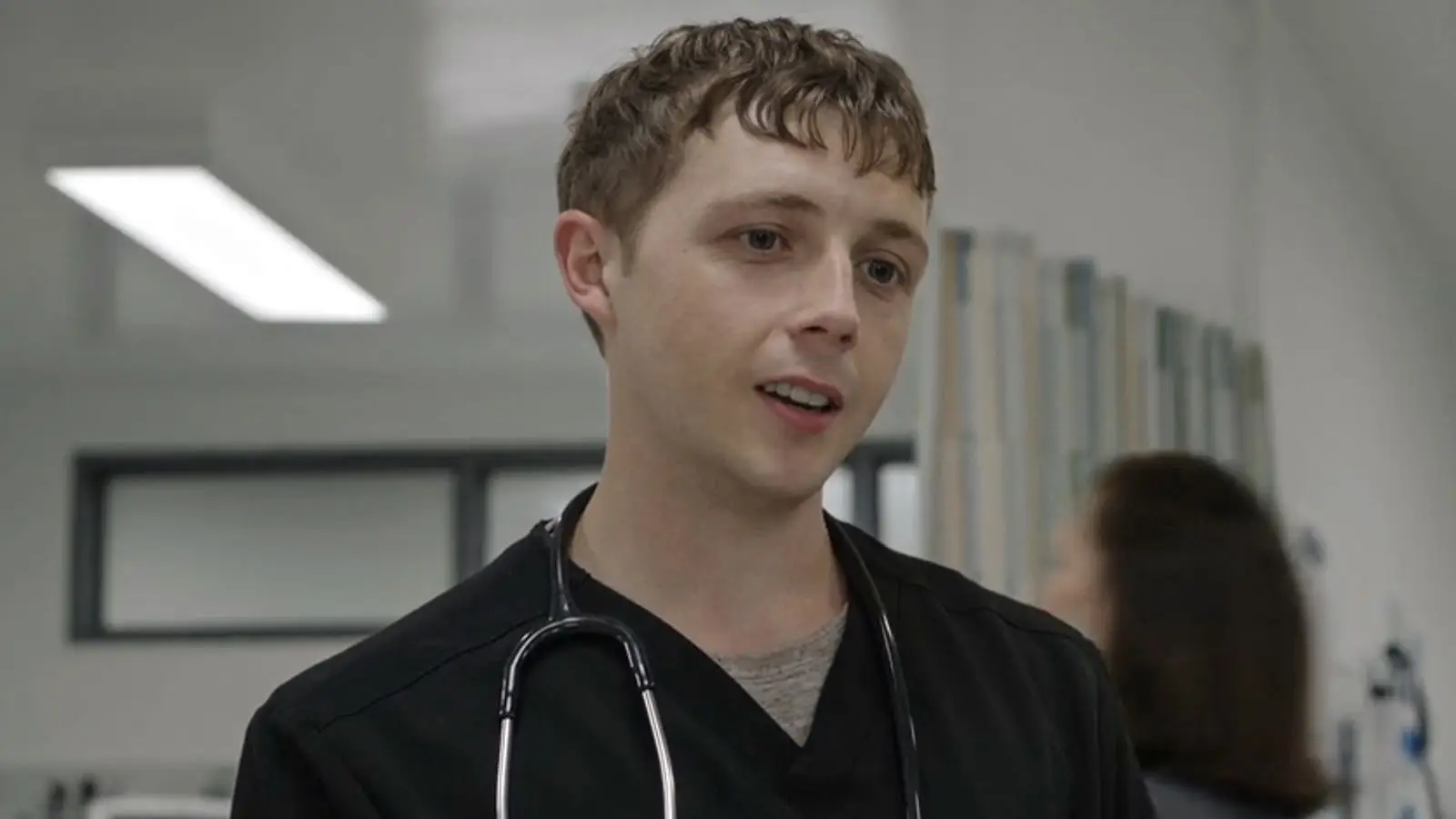
Watching season two of “The Pitt,” we found ourselves pulled into one of the show’s quieter moments, when two exhausted trainees sat outside the ambulance bay entrance to the emergency department at the end of a brutal shift.
In the scene, one of the medical student characters, Ogilvie, was rattled after he missed a diagnosis that had nearly life-threatening consequences. He shared with a resident mentor, Dr. Whitaker, that he was not sure he could survive another day like the shift he just had.
“Primary care specialty sounds way better,” he said, sounding defeated. “Peds maybe.”
Dr. Whitaker responded with a line that landed like a gut punch for many primary care physicians.
“Yeah maybe, but I know I’d be bored out of my f — -ing mind. Seriously, I like the challenge of undiagnosed illness, of quick decisions…And I like being here for people on the worst days of their lives.”
We could not believe what we’d heard. A show that has been revered for its authenticity could not have been more wrong about primary care. And although the season has concluded, this scene has stayed with us in the weeks since it aired.
Primary care physicians are often the first point of contact for undifferentiated illness. We routinely see patients with chest pain that could either be reflux or a heart attack, and those with fatigue that could be depression or leukemia. We often have 20 minutes or less to prioritize the most important challenges facing the patient, listen to their story, conduct an exam, generate a list of the most likely and highest risk potential diagnoses, and create a follow-up plan — and then it’s time to see the next patient and do it all again. Undiagnosed illness, quick decisions, and complex nuance is, in fact, the definition of primary care.
Not so boring.
We in primary care help patients navigate their preventive care needs such as vaccination, mental health counseling, and cancer and cardiovascular disease screenings. Primary care delivers almost half of all visits and medications for anxiety and depression in the U.S., and more than half of visits for serious chronic diseases such as diabetes, chronic obstructive pulmonary disease, and coronary artery disease.
Primary care is also not just for one visit or for one set of conditions. It is the foundation of longitudinal medicine. We care for patients across lifespans, through births, divorces, layoffs, addiction, cancer diagnoses, disability, hospitalizations, and death. We strive not only to understand what condition(s) a patient has, but who they are, what social and economic barriers they face, and how their comorbidities interact. Much like our colleagues in the emergency department, we function as the connective tissue of a fragmented system, coordinating across specialists, hospitals, rehab facilities, home health agencies, pharmacies, and family caregivers to help patients navigate some of the most frightening periods of their lives.
So, how can “The Pitt” have gotten primary care so painfully wrong? The answer resides in what the show actually gets right: the harmful attitudes and stereotypes toward primary care that persist in medical training and practice.
Many trainees receive discouraging messaging around primary care careers. Misconceptions persist that it is less intellectually rigorous, less prestigious, less exciting, and less important than subspecialty medicine. These are assumptions that easily come undone as people take the time to fully understand what primary care does.
These attitudes do not just shape television scripts. They shape the future of American medicine. The U.S. faces worsening primary care shortages, particularly in rural areas. Primary care has among the highest burnout rates in medicine. And the cavalry is not on the way. Have you tried to find a new primary care doctor lately? While the supply of primary care physicians is decreasing, fewer new physicians are entering the field. And as primary care erodes, public health will erode with it.
No wonder Dr. Whitaker said what he did. His character is a product of persistent subliminal messaging about primary care throughout medical training and American healthcare.
Medical dramas can influence how Americans understand doctors, illness, and even health policy. They can shape which specialties seem heroic, intelligent, compassionate, or prestigious.
Part of what makes the show compelling is precisely that it recognizes medicine as interconnected, which is why its portrayal of primary care matters.
Imagine a recurring primary care physician character whom patients trust more than anyone else in the system. A doctor who knows the cancer patient’s baseline when nobody else does. Who helps the emergency team understand why a patient keeps returning. Who guides families through dementia, addiction, or end-of-life decisions. Who, like our other heroes in the emergency department, is dedicated, complicated, strained, and is doing the best they can in a system that is not returning the favor.
That would not be political correctness. It would be reality.
[ad_2]
Source link : https://www.medpagetoday.com/opinion/second-opinions/121758
Author :
Publish date : 2026-06-15 17:32:00
Copyright for syndicated content belongs to the linked Source.