- The American Urological Association guideline emphasizes that vasectomy is a safe, permanent contraceptive option with no evidence of a causal link to prostate cancer.
- Procedures have spiked since 2022, with more young, childless, and single men seeking the surgery.
- The guideline encourages thorough preoperative counseling, nonopioid pain management, and discussing future fertility restoration options.
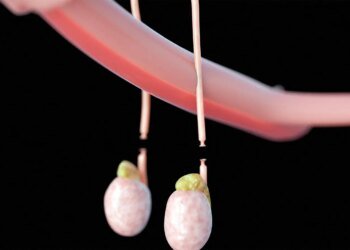
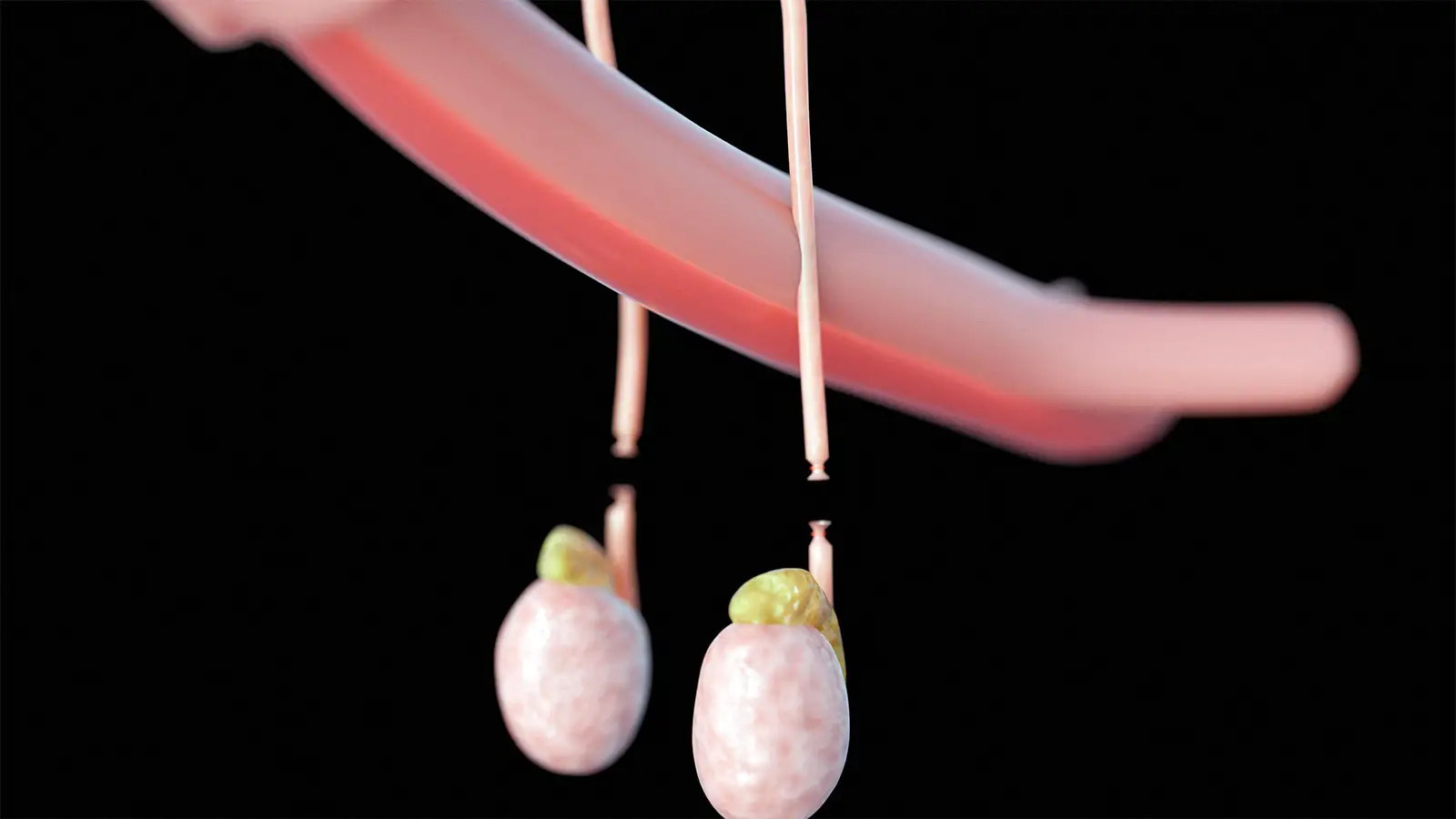
Vasectomy remains a safe and effective permanent contraceptive option for men and has no established links to serious health conditions, including prostate cancer, according to an updated guideline from the American Urological Association (AUA).
Published in the Journal of Urology, the two-part guideline addresses current best practices and evidence supporting the procedure as well as the options and evidence for restoring fertility after vasectomy. The guideline provides a thorough discussion of the evolution of vasectomy and key issues that have arisen since publication of the previous guideline more than a decade ago, according to Peter Schlegel, MD, of New York Men’s Health Medical in New York City, who chaired the guideline panel.
“I think the people who are asking for vasectomy and the data on what allows for most successful vasectomy are really some of the key elements that have changed,” Schlegel told MedPage Today. “Providing perspective, particularly on the consent process, as well as the surgical procedure, were kind of the foci. The other area, of course, is the relationship between vasectomy and prostate cancer, where substantially more data exists.”
The guideline authors noted that vasectomy procedures declined from 2002 through 2017, then rebounded in a big way after the Supreme Court overturned Roe v. Wade in 2022, increasing by more than 150% nationwide.
Accompanying the dramatic increase in vasectomy consults, the men seeking information and undergoing the procedure have changed.
“The changes occurred not necessarily because of Roe v. Wade, but perhaps from a cultural standpoint,” said Schlegel. “Far more younger men, meaning men under age 30, far more men who don’t have children, far more men who are not in committed relationships or married.”
“It used to be unusual for us to see a younger man interested in vasectomy,” he continued. “Many urologists would dismiss them or recommend that they not have the procedure. The fact that [the routine patient has changed], I think we need to look at counseling for them a little bit differently, because they are likely to have the procedure.”
In the past, urologists might offer sperm banking to men considering a vasectomy, but many clinicians were hesitant to bring up the issue. Raising the issue of sperm banking during a vasectomy consult could be construed as an argument that vasectomy is not a form of permanent contraception, Schlegel explained.
“I think now, particularly for those younger men, it’s incumbent on practicing urologists to have that discussion,” he said.
The controversy surrounding vasectomy and prostate cancer persists despite a lack of compelling evidence for an association, which the AUA guideline states. Schlegel and colleagues recently addressed the controversy in detail in a separate article published in JU Forum.
“There’s been a lot of information in the public press,” he said. “It is very popular to take something like vasectomy and associate it with a disease condition. Both the vasectomy guideline, as well as the additional data in the JU Forum article make it a lot clearer as to the fact that vasectomy does not cause prostate cancer. It’s not associated with an increased risk of prostate cancer.”
“Anybody who has seen a urologist is a little more likely to be screened for prostate cancer, have a [prostate-specific antigen] test, and possibly have a biopsy that possibly detects indolent disease,” he added, “but the decision to have a vasectomy or not does not increase the risk of prostate cancer or any consequences from that disease.”
The guideline also states that current evidence shows no causal link between vasectomy and cardiovascular disease or kidney stones.
Altogether, the first part of the guideline comprises 20 statements, including periprocedural antibiotics, anesthesia considerations for perioperative and postoperative pain control (emphasis on non-opioid drugs), several statements on vasectomy techniques (including potential complications), lack of need for histologic evaluation of excised tissue, postprocedure semen analysis, timing for discontinuation of contraception, and potential indications for repeat vasectomy.
The second part of the guideline contains six additional statements that focus on discussions with patients about available techniques for fertility restoration (vasectomy reversal and intracytoplasmic sperm injection) and technical details of the procedures and postprocedural assessments.
“There has been some evolution of understanding of fertility options after vasectomy,” said Schlegel. “It’s not an uncommon request that urologists get and something that should be dealt with directly. That’s why we made it an entire manuscript on its own.”
Source link : https://www.medpagetoday.com/urology/urology/120491
Author :
Publish date : 2026-03-25 19:58:00
Copyright for syndicated content belongs to the linked Source.