


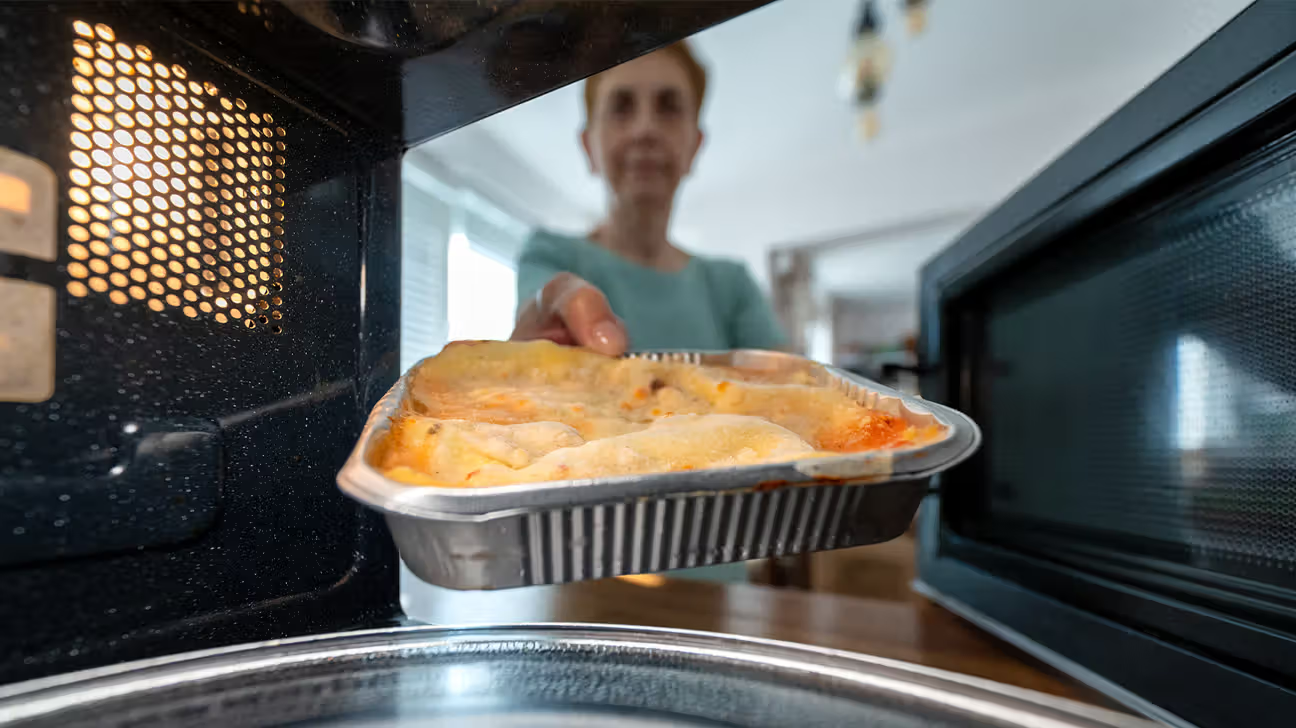
- Eating higher amounts of ultra-processed foods is associated with lower bone mineral density, even in younger adults under 65.
- Researchers also found that high ultra-processed food intake increases the risk of hip fractures.
- Experts say the lack of nutrients needed for bone health in ultra-processed foods could contribute to the association.
Eating more ultra-processed foods is associated with poorer bone health.
The findings were pronounced even among younger adults under 65 and in those who were underweight.
“Our study cohort was followed for over 12 years, and we found that high intakes of ultra-processed foods were linked to a reduction in bone mineral density at several sites including key areas of the upper femur and the lumbar spine region,” Lu Qi, MD, PhD, co-author of the study and HCA Regents Distinguished Chair and professor at the Celia Scott Weatherhead School of Public Health and Tropical Medicine at Tulane University said in a press statement.
“While recent studies have shown that ultra-processed food consumption can affect bone health, this is the first time this relationship has been examined directly in humans,” Qi continued.
Data from the CDC suggests that ultra-processed foods account for roughly 55% of total calories consumed by both children and adults.
To explore the impact of ultra-processed foods on bone health, the researchers analyzed data from more than 160,000 participants in the UK Biobank database.
On average, people ate roughly 8 servings of ultra-processed foods per day.
The researchers found that for every 3.7 additional servings of ultra-processed foods consumed each day, the risk of hip fracture increased by 10.5%.
The study authors note that while the serving sizes of ultra-processed foods can vary by food type, 3.7 additional serves equate to a frozen dinner entree, a soda, and a cookie.
Grace Derocha, a registered dietitian nutritionist and national spokesperson for the Academy of Nutrition and Dietetics, said it’s a finding worth paying attention to. Derocha wasn’t involved in the study.
“A 10.5% increase in hip fracture risk is meaningful, especially given how serious hip fractures can be for long-term mobility and independence, particularly in older adults,” she told Healthline. “That said, it is important to interpret this in context. This is an observational finding, meaning it shows an association rather than direct causation.”
“Still, it reinforces a pattern we see across nutrition science: diets higher in ultra-processed foods tend to be linked with poorer health outcomes overall. From a public health standpoint, it’s a signal worth paying attention to — not necessarily a reason for alarm, but certainly a reason to emphasize improving overall diet quality,” Derocha said.
Dana Hunnes, a senior clinical dietitian at UCLA Health, said there could be several mechanisms underlying the association between ultra-processed foods and poorer bone health. Hunnes wasn’t involved in the study.
“Inflammation could potentially be a driver of lower bone density; lower intake of calcium, phosphorus, vitamin D, and other minerals important to bone health may be consumed less often when intake of ultra-processed foods [is] consumed more often. Without sufficient amounts of these healthy nutrients, bone density may weaken,” she told Healthline.
“Perhaps people are also less active, and less activity also can reduce bone density, as you’re not having the same compression or forces on the muscles/bones as you are when you’re more active. All of these factors may also be combining to affect this change,” she explained.
Younger adults, those with lower BMI also at risk
The association between ultra-processed foods and lower bone density was most pronounced among those under age 65 and in those who were underweight with a body mass index (BMI) of less than 18.5.
The authors note that these associations could be more pronounced in younger people due to stronger digestive function, which could lead to better absorption of the unhealthy ingredients in ultra-processed foods.
Those with a low BMI are also already at risk for bone health issues, and this may make the impact of ultra-processed foods on bone density worse.
Ultra-processed foods are manufactured on an industrial scale. They are often highly palatable, low in dietary fiber, and high in sweeteners, salt, and unhealthy fats.
They may include foods like frozen meals, breakfast cereal, sweetened beverages, and convenience foods and snacks.
The new study is the latest in a growing body of research that demonstrates important links between a diet high in ultra-processed foods and bone health.
“We have strong evidence that nutrition is foundational to bone health across the lifespan,” Derocha said. “Diets high in ultra-processed foods may contribute to lower nutrient intake and higher levels of inflammation, both of which can negatively impact bone health over time.”
David Cutler, MD, a board certified family medicine physician at Providence Saint John’s Health Center in Santa Monica, CA, said the findings of the effects of ultra-processed foods on bone health aren’t surprising. Cutler wasn’t involved in the study. However, he noted that many dietary factors can influence bone health.
“There are many dietary factors aside from UPF which impact bone density,” Cutler told Healthline.
“Certainly, when calcium, vitamin D, or protein are deficient, it will have a major impact on bone density. Other nutrients such as magnesium, potassium, and vitamin K also have a significant, but lesser effect on bone density. So, the extent to which UPFs may be supplemented with these nutrients could mitigate their overall negative impact,” he said.
In the United States, 70% of the food supply consists of ultra-processed foods.
In addition to the impacts on bone health, these foods have been associated with a range of negative health outcomes, such as:
“Adequate intake of calcium, vitamin D, and protein is critical, but emerging research shows that overall dietary patterns matter just as much,” Derocha said.
Theresa Gentile, a registered dietitian nutritionist and spokesperson for the Academy of Nutrition and Dietetics, said that one of the best ways to make dietary changes aimed at reducing overall intake of ultra-processed foods is to first focus on what can be added to the diet, rather than what can be subtracted. Gentile wasn’t involved in the study.
“Making small changes and lateral shifts is the best way to make long-lasting changes. First, you could add something to an [ultra-processed food] to boost its nutrition,” Gentile told Healthline.
“Add an egg, shredded chicken, and veggies to instant ramen; salad to frozen pizza; fruit, nuts, and chia/flax seeds to instant oatmeal, veggies and ground turkey to jarred pasta and sauce, [or] blended fruit into a nutrition shake,” she said.
“Diet can maintain bone and slow loss, but is best paired with resistance exercise. Through diet, you should make sure to consistently include sources of calcium in your diet, adequate protein to maintain muscle and minimize risk of fractures, and adequate calories to support bone formation and maintenance,” she said.
Source link : https://www.healthline.com/health-news/ultra-processed-foods-may-damage-bones
Author :
Publish date : 2026-03-22 07:33:00
Copyright for syndicated content belongs to the linked Source.