Simon Jack,Business editor,
Nick Triggle,Health correspondentand
Rachel Clun,Business reporter

 AFP via Getty Images
The UK and the US have agreed a deal to keep tariffs on UK pharmaceutical shipments into America at zero.
Under the agreement the UK will pay more for medicines through the NHS in return for a guarantee that US import taxes on pharmaceuticals made in the UK will remain at zero for three years.
This is the first time the amount that the NHS pays for medicines is due to increase in more than 20 years.
The deal comes after US President Donald Trump threatened to raise tariffs to as high as 100% on branded drug imports, one of the UK’s biggest exports to the US.
Business and Trade Secretary Peter Kyle said the deal “guarantees that UK pharmaceutical exports – worth at least £5bn a year – will enter the US tariff free, protecting jobs, boosting investment and paving the way for the UK to become a global hub for life sciences.”
The UK exported £11.1bn worth of medicines to the US in the 12 months to the end of September, making up 17.4% of all goods exports in that period, according to the Department for Business and Trade.
Pharmaceuticals were not included in the wave of tariffs US President Donald Trump had announced earlier this year.
But he has repeatedly threatened to raise tariffs on medicines, citing concerns about America’s reliance on medicines made overseas and a desire to increase manufacturing in the US.
He has also argued that US consumers effectively subsidise medicines for other developed countries by paying premium prices for those drugs and pushed for other countries to pay more.
Under the terms set out on Monday, the UK will increase the price threshold, at which it deems new treatments to be too expensive, by 25%.
The UK will also increase the overall amount the NHS spends on medicines, with a target to increase that spending from 0.3% of GDP to 0.6% of GDP over the next 10 years.
The amount drug companies must pay back to the NHS to ensure the health system does not overspend its allocated budget will be capped at 15% – last year, drug companies had to pay back more than 20%.
In exchange, UK medicine exports will be protected from tariff increases for the next three years.
White House spokesman Kush Desai said the agreement with the UK was a “historic step towards ensuring that other developed countries finally pay their fair share”.
 Getty Images
The pressure from the US had intensified a long-running row in the UK between the government and the pharmaceuticals industry over drug approvals and the cost of medicines to the NHS.
Health Secretary Wes Streeting said in August that he was not prepared to let drug companies “rip off” the UK, after talks between the government and pharmaceutical firms over the cost of medicines broke down.
But subsequently Science Minister Sir Patrick Vallance told the BBC he accepted that the NHS needed to spend more on medicines after seeing its spending on drugs shrink as a percentage of its budget over the last 10 years.
The NHS advisory body NICE said the changes were likely to lead to an extra three to five medicines a year being approved – currently it assesses around 70 a year and approves 90% of them.
It is not clear what this will cost the NHS – drugs currently account for around 10% of the health budget.
But Sally Gainsbury, of the Nuffield Trust think tank, said the agreement could lead to an extra £3 billion being spent on drugs, which was “bad news” given how stretched budgets were.
“The extra cost will need to be fully-funded by the Treasury,” she said, adding that it would be better to invest extra money into areas such as GP services or tackling the hospital backlog instead of new drugs.
In announcing the new agreement, the UK government said it was the only country in the world to have secured a zero percent tariff rate for pharmaceutical shipments.
European officials have previously said they believed their drugs exports would be protected by terms agreed over the summer, which would cap tariffs on most goods at 15%.
It follows pressure on the government after the cancellation or pause of several large pharma investments in the UK over the last 18 months, as firms shift attention to the US.
In mid-September, British pharmaceutical giant GSK pledged to invest $30bn (£22bn) in research and manufacturing in the US over the next five years.
A week before GSK’s US investment announcement, US pharmaceutical company Merck – which is called MSD in Europe – revealed it was scrapping its planned £1bn expansion of its UK operations.
Shortly after, AstraZeneca also announced it was pausing a planned £200m investment in a Cambridge research facility. In July, AstraZeneca said it would invest $50bn on medicine manufacturing and research and development in the US.
William Bain, head of trade policy at the British Chambers of Commerce, said he was pleased to see that the protections from US tariffs that UK officials had promised earlier this year had been delivered.
“This deal is a real win. It will promote exports, boost investment, and enhance UK competitiveness as a production and innovation base for world-leading medicines and treatments,” he said.
US pharmaceutical company Bristol Myers Squibb said it now anticipated being able to invest more than $500m over the next five years in areas including research, development and manufacturing.
“This agreement is a sign of progress and one that creates an environment conducive to our continued presence in the UK,” chief executive Chris Boerner said.
 Getty Images
The White House had launched a formal investigation into pharmaceutical imports and their effect on national security in April, taking the first step towards tariffs.
In September in a Truth Social post, Trump threatened to raise tariffs on branded drugs – a small subset of the medicine that the US imports – to 100%, but the White House did not put the plan into effect, citing negotiations with manufacturers.
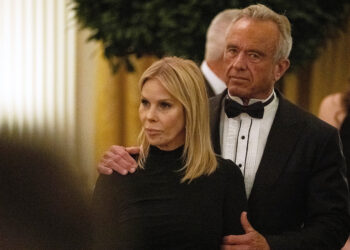
In announcing the agreement on Monday, US Health Secretary Robert Kennedy Jr said Americans “should not pay the world’s highest drug costs for medicines they helped fund”.
“This agreement with the United Kingdom strengthens the global environment for innovative medicines and brings long-overdue balance to US–UK pharmaceutical trade,” he said in a statement.
Source link : https://www.bbc.com/news/articles/cn0k520v4xro?at_medium=RSS&at_campaign=rss
Author :
Publish date : 2025-12-01 16:58:00
Copyright for syndicated content belongs to the linked Source.