
[ad_1]
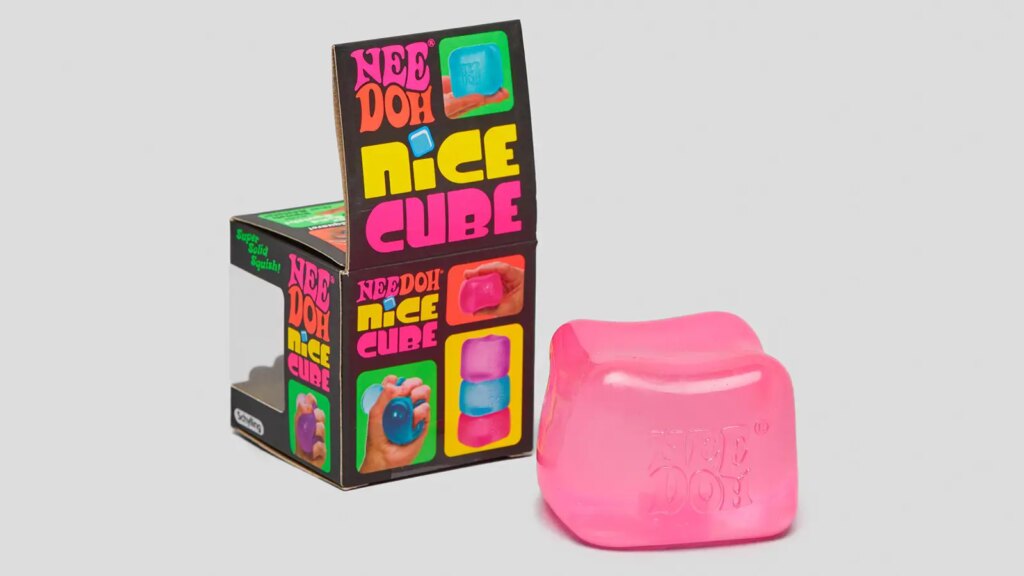
Physicians are sounding the alarm about a dangerous social media trend involving NeeDoh that has kids being rushed to the hospital for scalding burns.
Kids are heating up the sensory toy, even though it’s not designed to be, which can cause the dough-like glob to burst or melt. In one recent case, a 4-year-old girl suffered burns to the legs, arms, and face after the squishy toy was microwaved.
“I started hearing about these injuries earlier this year,” said emergency physician Leah Middelberg, MD, of Nationwide Children’s Hospital and the Ohio State University College of Medicine in Columbus.
Microwaving or heating the products makes the gel inside “extremely hot,” Middelberg told MedPage Today. “Hot enough to boil, leak, explode, and cause burns on contact with skin.”
While she hasn’t personally cared for kids with injuries from the viral trend, Middelberg said that children with burns often experience significant pain and need extensive medical follow-ups to ensure they heal well.
“The number one cause of burns in children is scald burns, which happen when hot liquids meet their skin,” she pointed out, adding that deep burns that go through all layers of the skin “can be incredibly painful and require medical treatment, hospital stays, and surgeries.”
The types of burns potentially caused by the new trend may be especially serious, and physicians have taken to social media to warn about the dangers.
“One burn unit in Illinois said they’ve already treated multiple kids with this exact injury,” Tommy Martin, MD, a specialist in internal medicine and pediatrics, said in an Instagram post.
NeeDoh’s packaging “actually warns against heating, freezing, or leaving it in cars,” he said, adding that parents need to teach their children about the potential dangers before kids see the trend online first.
Schylling, which makes NeeDoh, has reportedly partnered with social media companies to remove content that contains misuse of their product, and Schylling’s president said the company has included a safety warning on the toy’s packaging.
“Keep it away from microwaves, ovens, cars, direct sunlight, and if it ever ruptures and the gel touches the skin, make sure to rinse it with water immediately,” said Martin. “If the gel is extremely hot and a child gets burned, seek medical attention,” he said.
Though dangers of social media trends like this one “seem obvious to many adults,” it’s important to remember that “kids have always done risky things,” Middelberg stressed. “Thanks to the internet and social media, bad ideas spread faster and wider.”
“Kids and teens have limited understanding of consequences; they are more impulsive, and when they see other people doing these challenges online, it makes them look normal and safe,” she said. “It’s hard for parents to anticipate these challenges. Often, we don’t know about new dangers until young people are hurt.”
The American Academy of Pediatrics has published youth social media resources for parents and caregivers, and Middelberg advised pediatricians to talk with families about their approach to digital media.
“Parents should decide what online viewing is right for their family and talk with their kids about what they see online,” she said. “Parents can remind kids that just because they see something in a video online, doesn’t mean it is real [and] definitely doesn’t mean it’s safe.”
Please enable JavaScript to view the comments powered by Disqus.
[ad_2]
Source link : https://www.medpagetoday.com/popmedicine/cultureclinic/122146
Author :
Publish date : 2026-07-10 18:48:00
Copyright for syndicated content belongs to the linked Source.