International Women’s Day, held annually on 8 March, is a stalwart of what we might call the “awareness calendar” – the loose collection of days, weeks and months dedicated to informing the public about different issues. It’s unfortunate that some men’s response to IWD is to ask “when is International Men’s Day then?”, especially when the answer is that it already exists, on 19 November, and is designed to highlight issues facing men, such as abuse, homelessness, suicide and violence.
Putting the bad-faith questioning of IWD aside, the relative lack of awareness of the men’s day versus the women’s illustrates how men’s mental health remains a particularly hard nut to crack. It is true that recent decades have seen a vast improvement in our attitudes towards mental health in general. But men still struggle to talk about their problems – while statistics vary, women are far more likely to be open about their mental health.
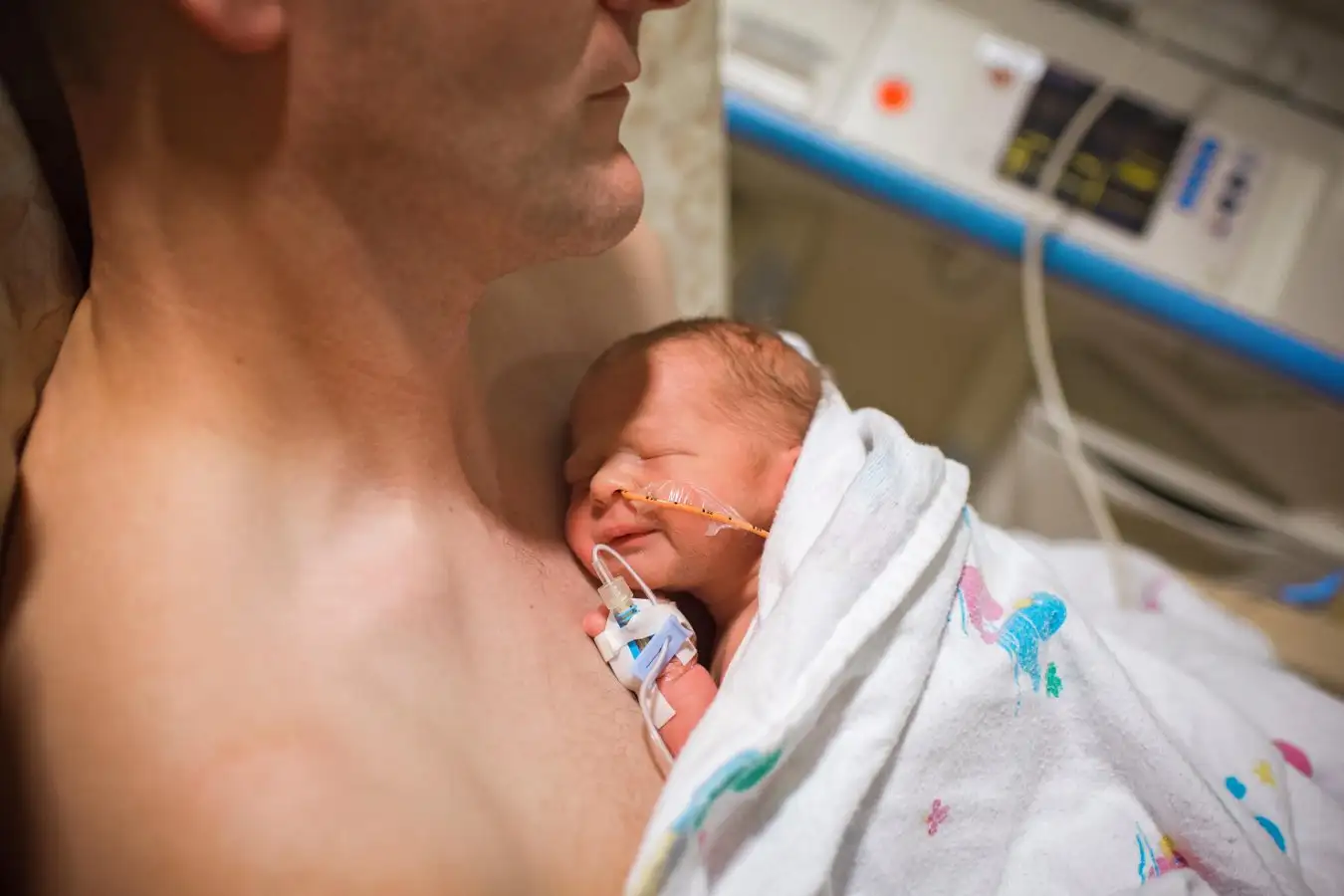
Part of the reason for this is that we are less good at acknowledging male mental health conditions. As we report, some 40 per cent of people don’t know that men can experience postpartum depression – perhaps not surprising, given cultural attitudes towards parenthood. Childbirth is rightly recognised as a transformational experience for women, but while fathers are more often in the delivery room these days than down the pub, they are still seen as fairly ancillary to proceedings. Dads can’t have it bad, the thinking goes, because mums have it worse.
“ 40 per cent of people don’t know that men can experience postpartum depression “
It is a mistake to see mental health as a zero-sum game in this way, and we still have much more to do to understand how male depression presents itself – often as withdrawal and risk-taking, rather than tears and sadness. Hopefully, International Men’s Day can do some of the work in raising awareness, but we must also keep in mind that awareness is simply not enough. Healthcare systems must take mental health of all kinds much more seriously, and treat it on a par with physical health.
Source link : https://www.newscientist.com/article/mg26935832-200-we-need-to-get-better-at-identifying-postpartum-depression-in-dads/?utm_campaign=RSS%7CNSNS&utm_source=NSNS&utm_medium=RSS&utm_content=home
Author :
Publish date : 2026-02-18 18:00:00
Copyright for syndicated content belongs to the linked Source.