

Exercise starves cancer cells in mice – and perhaps in humans too
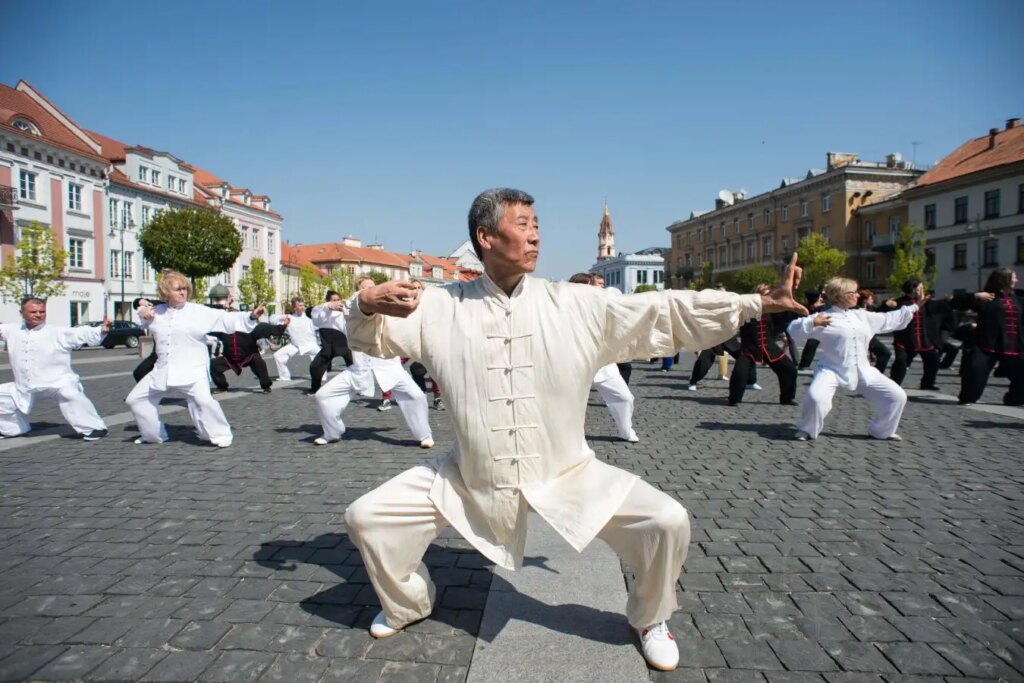
Alfredas Pliadis/Xinhua/Alamy
Exercise can slow tumour growth in mice by shifting the body’s metabolism so that muscle cells, rather than cancer cells, take the glucose and grow. A similar process may occur in people.
It is well known that exercise is linked to a lower risk of cancer and that fitter people are more likely to survive it, but the mechanisms behind this are only partly understood. Some of exercise’s influence seems to come via impacts on the community of microbes in our guts and through its effects on the immune system.
To examine another possible route, Rachel Perry at Yale School of Medicine and her colleagues have injected breast cancer cells into 18 mice – 12 of which were fed a diet that caused obesity, which worsens the progression of several types of cancer – and let half the animals run as much or as little as they wanted on an exercise wheel.
They found that after four weeks, tumours in obese mice that chose to exercise were 60 per cent smaller than those in obese mice that didn’t have access to a working wheel – and also slightly smaller than those of sedentary mice fed a normal diet. A 30-minute bout of exercise was tied to increased uptake of oxygen and the key energy source glucose in skeletal and cardiac muscles, as well as decreased glucose uptake in tumours.
“This work reveals that aerobic fitness fundamentally reshapes metabolic competition between muscle and tumours,” says Perry. “Importantly, the exercise intervention was voluntary. We’re not talking about training for a marathon-type exercise, just what the mice wanted to do.”
The researchers analysed gene activity and identified 417 genes in key metabolic pathways in mice that change as a result of exercise, essentially meaning the muscle tissues metabolise glucose more and the tumour tissues metabolise it less.
In particular, the researchers say down-regulation in cancer cells of mTOR, a protein involved in cell growth, may be restricting tumour growth.
Perry says that because these metabolic pathways are very similar across mammals, she would expect the phenomenon to extend to people, including those without obesity. Indeed, the researchers say that similar changes in gene activity have been reported in humans with cancer when they exercise.
“It is another mechanism demonstrating how exercise creates a more cancer-suppressive environment,” says Rob Newton at Edith Cowan University in Perth, Australia. “We need a clinical trial in people, but I really can’t see any reason why you wouldn’t have a similar effect in humans.”
Perry says metabolism happens in all tissues and is affected by both the microbiome and the immune system. “It’s possible that metabolic alterations could be the missing link between exercise, the microbiome and the immune system, and tumour growth,” she says. “But I would be shocked if the beneficial effects of exercise weren’t due to multiple mechanisms.”
The work also helps explain why low muscle mass increases your risk of cancer death, says Newton. “If the muscle is preferentially taking up the glucose, if you have more muscle mass and you activate it more regularly, then you’re going to have a higher effect.”
He thinks people should think of exercise as a cancer medicine to be used alongside other treatments rather than a potentially helpful lifestyle tweak. “It’s very much about determining what is causing the greatest pro-cancer environment and how to attack that specifically,” says Newton. “It could be increasing cardiorespiratory fitness, but if a patient has exceptionally low muscle mass, then that probably needs to be targeted first with resistance training.”
Topics:
Source link : https://www.newscientist.com/article/2506591-we-now-have-a-greater-understanding-of-how-exercise-slows-cancer/?utm_campaign=RSS%7CNSNS&utm_source=NSNS&utm_medium=RSS&utm_content=home
Author :
Publish date : 2025-12-01 20:00:00
Copyright for syndicated content belongs to the linked Source.