- A recent small study found that reduced GLP-1 frequency may help people maintain their weight loss.
- The study shows that people who dosed as little as once every two months maintained weight loss and other improved health markers.
- Tapering GLP-1s may not be right for everyone, but the researchers suggest it may help reduce long-term medication use.
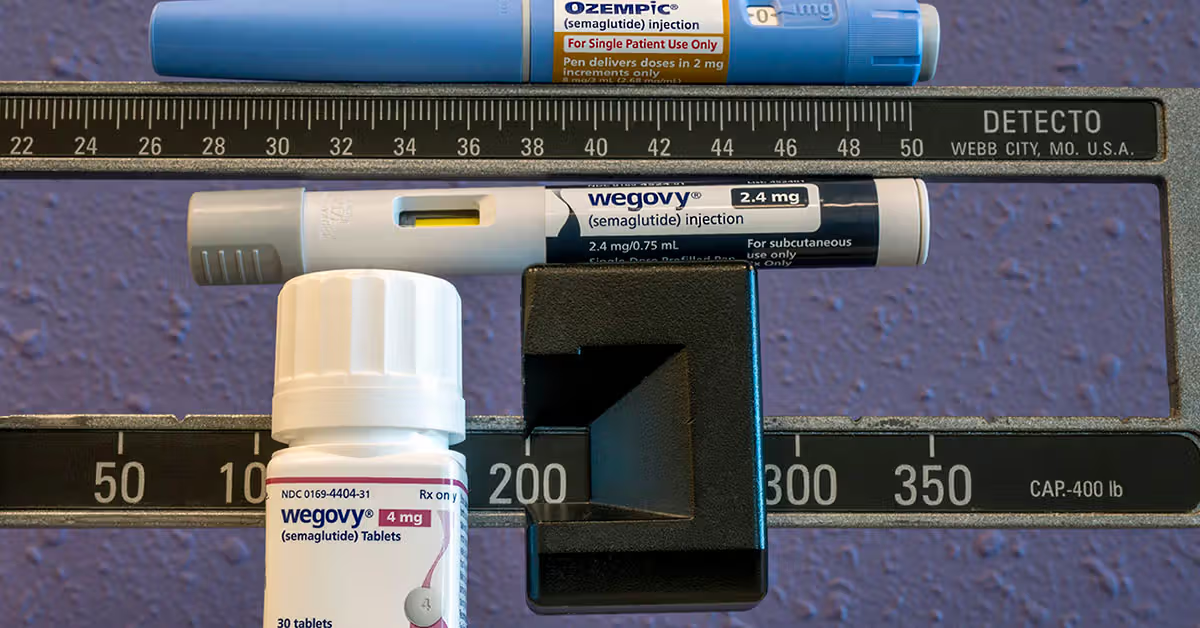
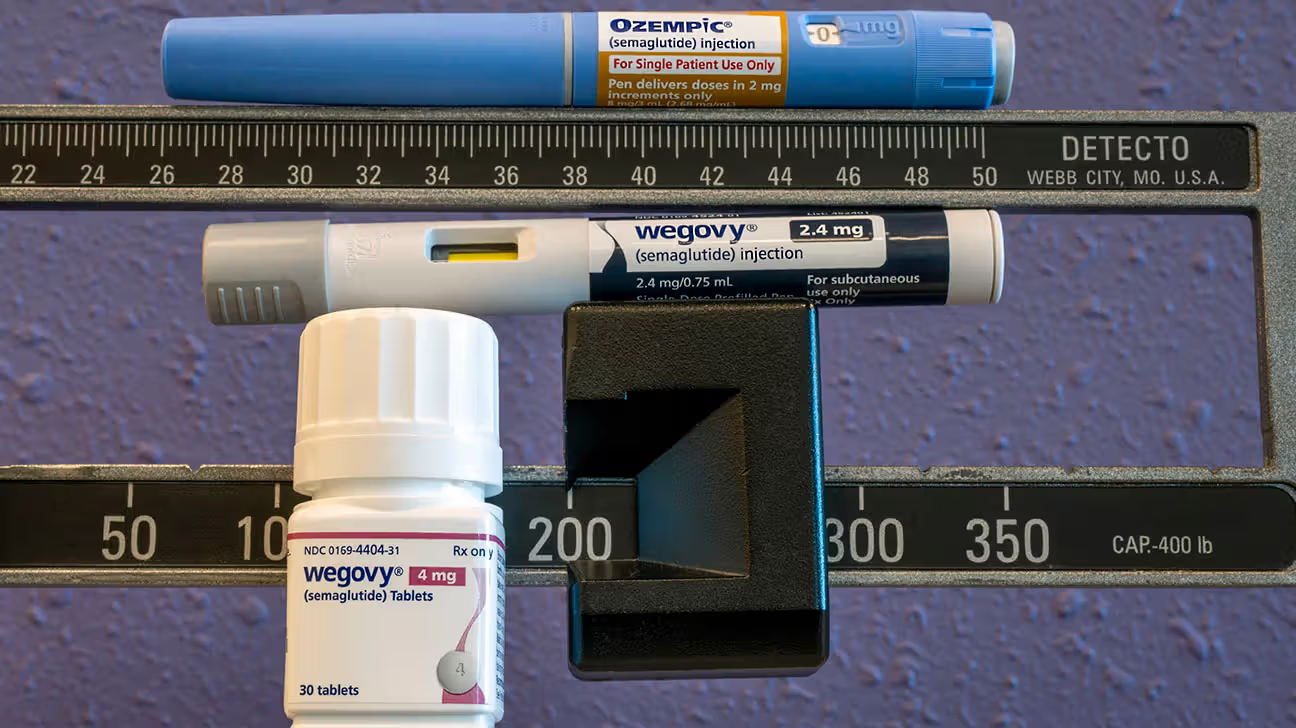
People taking GLP-1 drugs like Ozempic and Wegovy to help treat obesity lose an average of 15–20% of their body weight.
These medications are generally considered a long term, potentially lifelong treatment, as
Yet, 32% of people who begin taking GLP-1 weight loss medications stop within a year due to several reasons, including the high cost and severity of side effects.
However, a recent study published in
“These findings support structured de-escalation as a promising strategy to reduce treatment burden without sacrificing efficacy,” noted the study authors.
“Although this study involved a small patient sample, I have had similar experiences in my practice,” said Mir Ali, MD, bariatric surgeon and medical director of MemorialCare Surgical Weight Loss Center at Orange Coast Medical Center in Fountain Valley, CA, who wasn’t involved in the study.
“Many patients who have been successful on GLP-1 medications are able to use a lower dose or less frequent injections to help maintain their weight loss,” Ali told Healthline.
The typical dosing regimen for GLP-1 weight-loss medications is a once-weekly injection. Some types may even recommend a daily injection.
However, this small study of 30 people suggests that less frequent injections may help people maintain their weight loss and make it easier for them to use the medications long-term.
“There is no single solution for all patients,” Ali said. “While some can taper successfully and maintain their results, others require a consistent dose. Most individuals regain significant weight once these medications are stopped.”
The reduction in injection frequency was led by the individuals, with 24 participants reporting a minimum of 2 weeks between injections. The longest interval was 6 weeks apart. The other six participants reported a frequency of 10 to 14 days.
Participants maintained a reduced dosing frequency for an average of 36 weeks.
Nearly every participant maintained the same BMI following the reduced frequency. Only four saw a slight regain, with the largest increase being 8 lbs.
Many participants even saw a slight reduction in their body mass index (BMI).
“I have patients who have lost 50 to 70 pounds during their nearly two-year weight loss journey,” said Victoria Finn, MD, board certified endocrinologist with Medical Offices of Manhattan and contributor to LabFinder, who wasn’t involved in the study.
“To find the lowest effective dose for maintaining their achieved target weight, we gradually decrease the dose and reduce the frequency of dosing,” she told Healthline.
Finn noted that while “GLP-1 medications are incredibly powerful tools,” they should “not be considered magic wands,” and should always be “combined with regular physical activities and dietary adjustments” for the best results.
Ali noted that people with obesity should view it as a “chronic, long-term disease — similar to hypertension or diabetes.”
“Those using GLP-1 medications should approach them as a long-term treatment plan,” Ali said.
Experts note that the findings of this study are based on a very small sample, and tapering GLP-1 medications may not be an effective strategy for everyone.
For example, even in the recent study, four people returned to their original dosing schedule after they began regaining weight.
Nevertheless, tapering GLP-1 medications may be a preferable option to stopping altogether for some people.
“Stopping cold turkey is not recommended. Instead, reducing the frequency of dosing to lower doses is the best way to maintain results and reduce the financial burden of treatment,” Finn said.
If reduced doses of GLP-1 drugs prove viable for more people, the strategy may be a game-changer for obesity treatment.
“Larger randomized controlled trials are needed to confirm these findings and may help address concerns about indefinite therapy, lower healthcare costs, ease supply constraints, and broaden access to GLP-1 medications to improve public health,” said the researchers.
Source link : https://www.healthline.com/health-news/maintain-weight-loss-fewer-glp1-injections
Author :
Publish date : 2026-03-09 13:06:29
Copyright for syndicated content belongs to the linked Source.