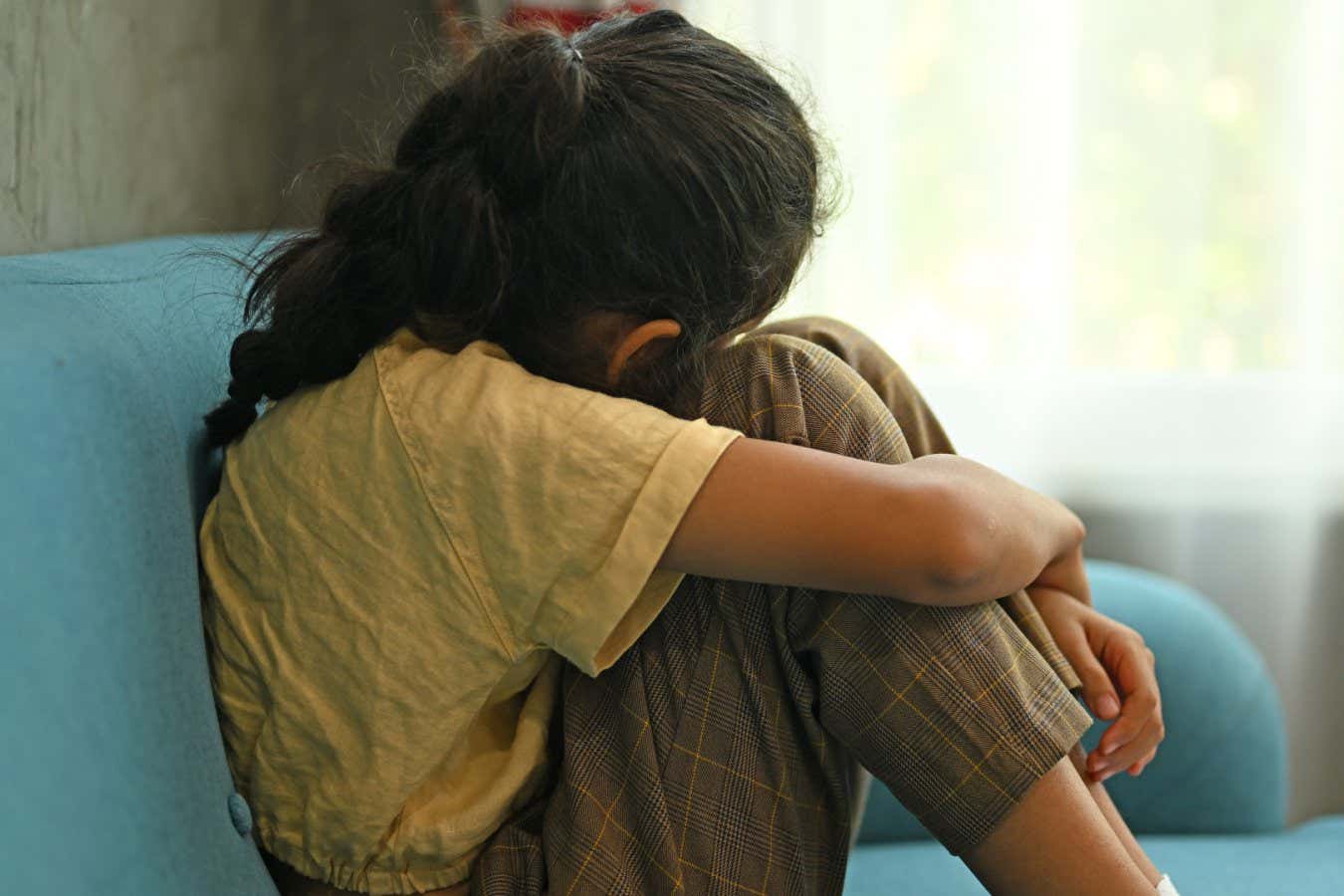
Childhood hardships can leave their mark throughout life
Ton Photograph/Getty Images
People who experience severe hardship early in life seem to have higher amounts of a certain protein in their brain, a discovery that could explain why childhood adversity often causes lifelong mental health problems. What’s more, drugs that target this protein may one day help alleviate these effects.
About 1 in 5 teenagers in the US report having experienced at least four potentially traumatic events in their childhood, such as abuse, neglect, homelessness or the death of a parent. Research shows these can affect brain development and raise the risk of mental health conditions, such as depression, well into adulthood.
“We still don’t really understand the mechanisms by which adversity or stress that is experienced early on in life can have such lasting effects,” says Christoph Anacker at Columbia University in New York. “People who have had childhood trauma also tend to be less responsive to currently available antidepressants.”
Previous research shows that people with depression have elevated levels of the protein SGK1, or serum and glucocorticoid-regulated kinase 1, in their blood. Little is known about this protein, though it seems to influence how brain cells process and transmit information.
To better understand its effects, Anacker and his colleagues analysed SGK1 in the brains of 50 men after they died, 36 of whom died by suicide. All the men had completed a survey about whether they experienced physical or sexual abuse before they turned 16.
The researchers found that in the hippocampus – a brain region involved in stress and memory – levels of genetic material encoding for SGK1 were about 33 per cent higher, on average, in the men who died by suicide than in those who didn’t, rising further among those who also experienced childhood adversity.
In another part of the study, the team looked at more than 8500 children aged 9 to 10 and found that those diagnosed with depression were more likely to have increased activity in genes encoding for SGK1, with this heightened activity also being associated with childhood adversity.
Finally, the researchers gave 10 adult male mice injections of an experimental drug that inhibits SGK1 every day for 10 days. Thirty minutes after each dose, the animals were placed inside a cage with an aggressive mouse for 5 minutes, raising their stress levels.
At the end of the 10 days, the injected mice showed fewer signs of anxiety and depression than a separate group of mice that were exposed to an aggressive animal after being injected with saltwater. For instance, the former mice spent more than twice as much time, on average, in the centre of an empty cage – rather than huddled in a corner – as the control animals.
“When we reduce levels of SGK1 in this brain region, the hippocampus, mice are more resilient to the effects of stress,” says Anacker. A similar pathway seems to occur in humans, so targeting SGK1 could help alleviate depression among people who have experienced hardships early in life. It isn’t exactly clear how SGK1 may lead to worse mental health, but one explanation is that it interferes with the formation of brain cells in the hippocampus.
The drug used in this study isn’t approved for use in people, but other SGK1 inhibitors are in clinical trials for certain heart conditions. If these prove to be safe, they could be repurposed for mental health conditions, says Anacker. Still, “this kind of basic research in rodents is many, many steps from the kind of evidence that would be needed to say we have [an] actionable drug target in humans”, says Katie McLaughlin at Harvard University.
Need a listening ear? UK Samaritans: 116123; US National Suicide Prevention Lifeline: 1 800 273 8255; hotlines in other countries.
Topics:
Source link : https://www.newscientist.com/article/2499821-were-starting-to-understand-why-childhood-adversity-leaves-its-mark/?utm_campaign=RSS%7CNSNS&utm_source=NSNS&utm_medium=RSS&utm_content=home
Author :
Publish date : 2025-10-17 12:00:00
Copyright for syndicated content belongs to the linked Source.