[ad_1]
Welcome to Culture Clinic, MedPage Today’s collaboration with Northwell Health to offer a healthcare professional’s take on the latest viral medical topics.
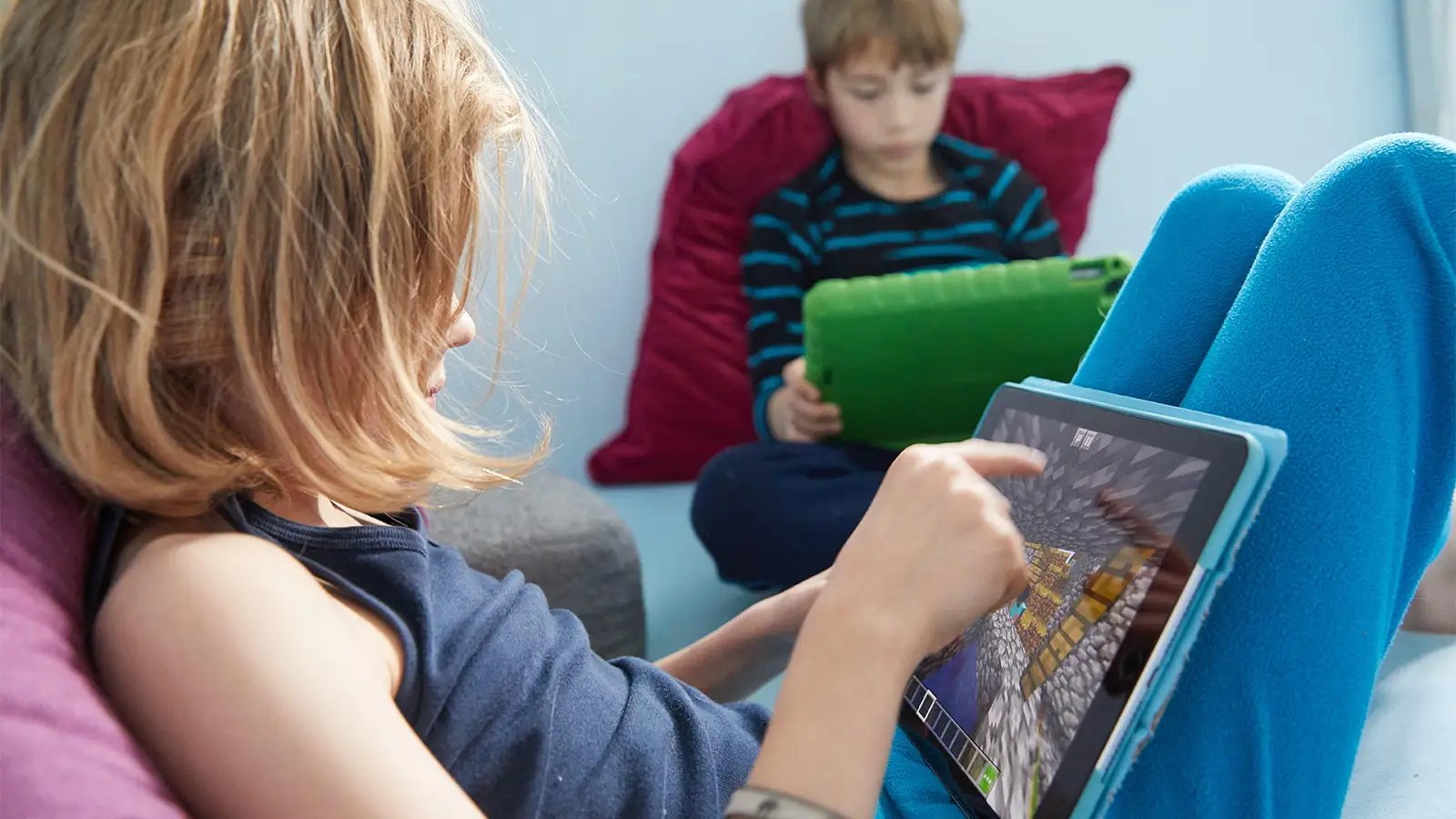
As kids spend more hours in the summer engaged in the digital Lego-like worlds of Minecraft, often online with their friends, parents find themselves wondering whether the game is beneficial, harmful, both, or neither, when it comes to kids’ development.
Pediatricians actually acknowledge some benefits of the game, but they do warn of certain risks as well.
“There are certain games that can benefit children in the sense of creativity, especially Minecraft,” Consuelo Cagande, MD, director of the division of child and adolescent psychiatry at Northwell Zucker Hillside Hospital in New York City, told MedPage Today.
Additionally, Minecraft can help “reinforce some problem-solving skills” — such as figuring out the next step when players come to roadblocks — and encourage being persistent and continuing on through failing, Cagande said.
It can also help kids learn how to play with others and foster teamwork, similar to in-person activities — and it has relatively low violence.
Tiffany Munzer, MD, of the University of Michigan in Ann Arbor, and co-author of a new policy statement from the American Academy of Pediatrics (AAP) on digital ecosystems for children and adolescents, told MedPage Today in an email that games “with ‘loose parts’ that then can be crafted and built into something different can afford benefits, such as flexing creativity, visuospatial skills, and cooperation, especially when playing with trusted friends.”
At the same time, there are a number of considerations when it comes to any video game, experts said.
“I think with any online games, including Minecraft, you can easily get lost in it and get absorbed in it, and just lose hours without even noticing,” Cagande said. Some kids can “become very obsessive,” and it can be difficult for them to “stop voluntarily” or “when told to.”
Heavy or excessive digital game play can “crowd out opportunities for movement and activity, which are a risk for future cardiometabolic conditions,” Munzer added.
There also is the potential for online safety risks, Cagande noted, as there can be many players and kids may not necessarily know who they’re playing with. However, Minecraft has detailed some of the safeguards it has in place in its commitment to player safety.
Furthermore, if kids are playing before bed, “it can disrupt their sleep,” she said. And because spending time on online games leads to reduced face-to-face interaction, some kids can be “vulnerable to having social skills deficits.”
But everyone is on screens, so it’s really about setting limits to how much screen time is allowed and balancing that time by also prioritizing physical activity, Cagande said.
Red flags for overuse in kids might include “irritability” or “defiance,” as well as showing substantial opposition to having to put their screen down, not being able to stop the game, or not socializing as much as they used to, she explained.
Cagande and Munzer both noted that physicians also have a role to play in having conversations with families about kids and screens, including online games.
Munzer highlighted the 5 Cs of Media Use — child, content, calm, crowding out, and communication — issued by AAP.
Some children “may be strong visuospatial thinkers and therefore may gravitate towards video gaming content with greater visual problem-solving,” she noted. Additionally, some “may benefit from having more immediate rewards … which can make it easy to get into a flow state, and hard to transition away when it’s time.”
Regarding content, “it’s OK to be choosy,” Munzer said. “Find games or apps that tap into creativity, open-ended play (loose parts), prosocial content (kindness, working together, collaboration),” and that enable a child to “use those skills when it’s time to transition to another activity.”
As for calm, she acknowledged that children can find the visual elements of gaming “really soothing,” but that it’s important for children to learn how to feel calm “using a big toolbox of skills.” It’s also important to plan on “when to use media proactively, instead of reactively using to help children feel calm and soothed.”
Crowding out includes ensuring kids have enough time for “outdoor play, movement, time with family and friends, reading, homework, and sleep to balance with digital play,” Munzer said.
And communication is essential for building a relationship with a child, she said. “Play together and ask open-ended questions about what children are seeing and doing online.”
“It can be hard to find games or apps that support children’s well-being,” Munzer noted, “because often the design is geared towards engagement and play for long periods of time.”
“Overall, look for games and digital design that support creativity, curiosity, cooperation, and can translate to real-world settings,” she said. “Games or apps that are overly commercialized, contain violent content, put kids into unwanted contact with strangers, or contribute to big meltdowns or family conflict, should be avoided.”
[ad_2]
Source link : https://www.medpagetoday.com/popmedicine/cultureclinic/122189
Author :
Publish date : 2026-07-14 21:39:00
Copyright for syndicated content belongs to the linked Source.