
[ad_1]

- A recent study has found that most people are not getting enough flavanols in their diet.
- Flavanols are naturally occurring compounds that are found in various foods and drinks, including fruits and vegetables.
- Research has found that eating around 500 mg of flavanols per day can reduce your risk of death from cardiovascular disease.
- Not all fruits and vegetables are equal. Some have higher levels of flavanols than others.
Eating plenty of fruits and vegetables is an important part of a healthy and balanced diet.
Whichever recommendation you choose to follow, a recent study published in Food and Function found that most people are not getting enough flavanols in their diets to protect heart health.
The researchers note that some fruits and vegetables are higher in flavanols than others. This doesn’t mean you shouldn’t eat the lower-level ones, but it may mean you want to eat more of the higher-level ones, especially if you’re concerned about cardiovascular disease risks.
“Flavanols can significantly reduce the risk of dying from cardiovascular disease, but only if you consume enough of them,” Javier Ottaviani, PhD, director of the Core Laboratory of Mars Edge, part of Mars Inc, and lead author of the study, said in a press statement.
“Most people assume that eating plenty of fruit and vegetables covers this, but what this research shows is that the specific choices you make matter far more than the total amount. Including a handful of blackberries, a whole apple, or having a cup of green tea alongside your meal could make a real difference to how much of these beneficial compounds you actually consume and absorb from the diet,” Ottaviani continued.
The study tracked the diets of 30,000 participants across the United Kingdom and the United States using biomarker measurements.
Previous research from the largest randomized controlled study on polyphenols, COSMOS, found that eating 500 milligrams (mg) of flavanols daily helped lower the risk of death from cardiovascular disease by up to 27%.
This study used data from COSMOS to develop and assess the hypothesis that adhering to current recommended amounts of fruit and vegetables meets the 500mg of flavanols daily. It then used EPIC Norfolk to assess replication in an independent, population-based sample with differing dietary patterns.
The researchers found that most people fell well short of meeting the 500mg of flavanols each day, even when following standard healthy eating guidance from sources like the Dietary Guidelines for Americans and the NHS Eating Well guide.
“This study highlights the value of being more intentional within broader food groups. While all fruits can fit into a healthy diet, regularly choosing flavanol-rich options like berries and apples may offer added cardiovascular benefits,” said Michelle Routhenstein, preventive cardiology dietitian at EntirelyNourished. Routhenstein wasn’t involved in the study.
“This is not about focusing on a few ‘superfoods,’ but about thoughtfully including evidence-based, nutrient-rich choices within an overall balanced dietary pattern. The overall diet remains most important, with these findings helping refine which foods may provide an extra layer of heart protection,” she told Healthline.
According to other research, there are certain fruits and vegetables that have the highest levels of flavanols:
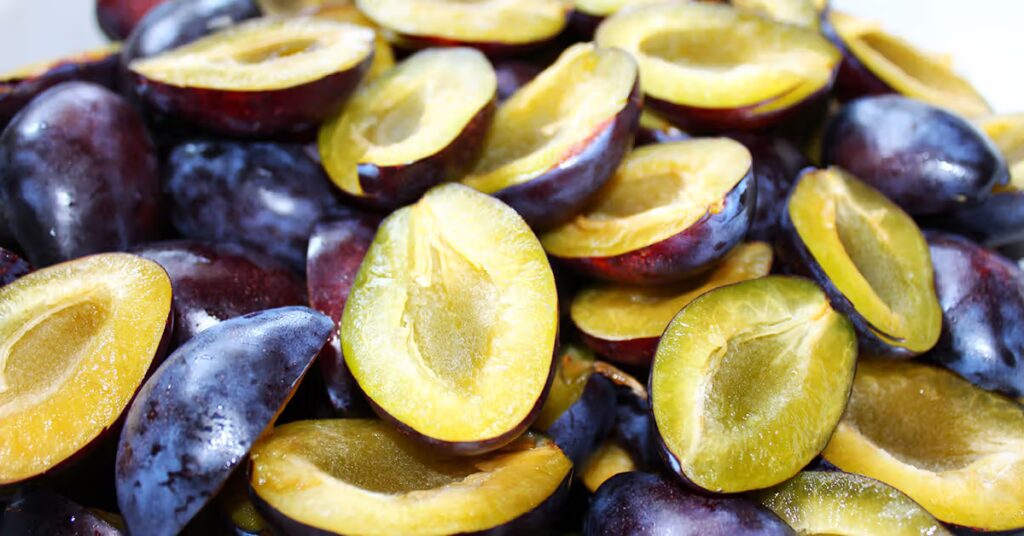
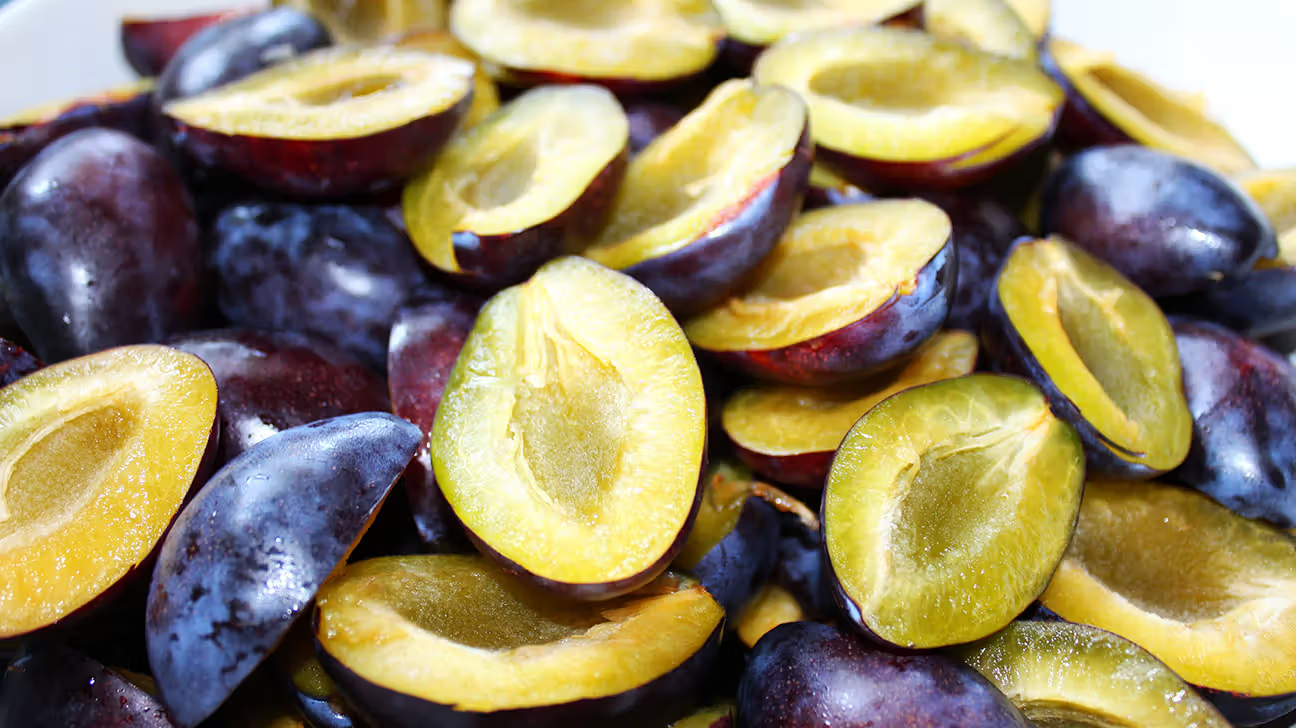
- Plums (500 g): approximately 450mg of flavanols
- Cranberries (250 g): approximately 300mg of flavanols
- Blackberries (200 g): approximately 250mg of flavanols
- Green tea (one 250 ml cup): approximately 200mg of flavanols
- Broad beans or fava beans (80 g): approximately 140mg of flavanols
- Cherries (400 g): approximately 130mg of flavanols
- Apples with skin (200 g, or one medium apple): approximately 110mg of flavanols
- Strawberries (200 g): approximately 90mg of flavanols
- Blueberries (150 g): approximately 80mg of flavanols
- Pinto beans (40 g, 2 Tbsp dry): approximately 70mg of flavanols
“Rather than focusing on adding every flavanol-rich food, I find it is more sustainable to choose one or two favorites and make them a consistent part of the diet,” said Routhenstein.
“For example, someone who enjoys berries could add them to breakfast several times per week, while a tea drinker might benefit from incorporating a daily cup of green or black tea. Small, enjoyable habits are often the most effective way to increase flavanol intake and support long-term heart health,” she added.
The study findings may raise questions about whether the current guidelines regarding fruit and vegetable consumption could be made more effective.
However, Routhenstein told Healthline that part of the issue is “that many people still don’t meet basic fruit and vegetable recommendations.”
“Before focusing on specific flavanol targets, the priority is ensuring adequate overall produce intake. Simple, sustainable changes, like adding berries to breakfast or choosing tea instead of a sugary drink, can naturally increase flavanol intake while improving diet quality,” she said.
“The goal is not to target a single nutrient, but to build a diverse plant-rich dietary pattern that supports long-term cardiovascular health.”
[ad_2]
Source link : https://www.healthline.com/health-news/flavanol-rich-fruits-veggies-prevent-cardiovascular-disease
Author :
Publish date : 2026-06-08 08:39:46
Copyright for syndicated content belongs to the linked Source.