
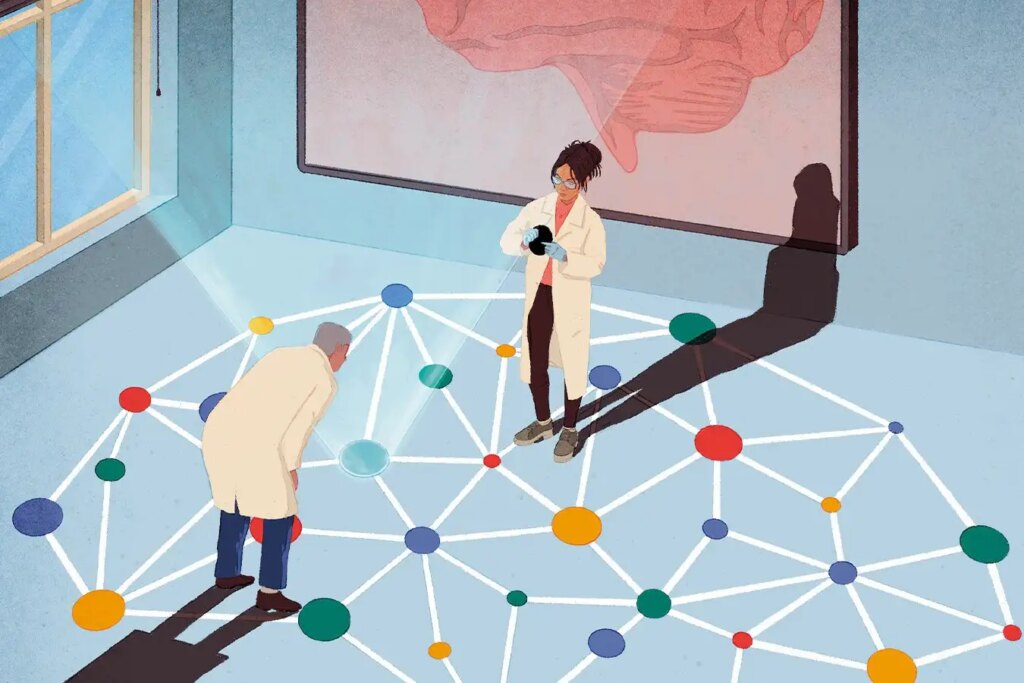

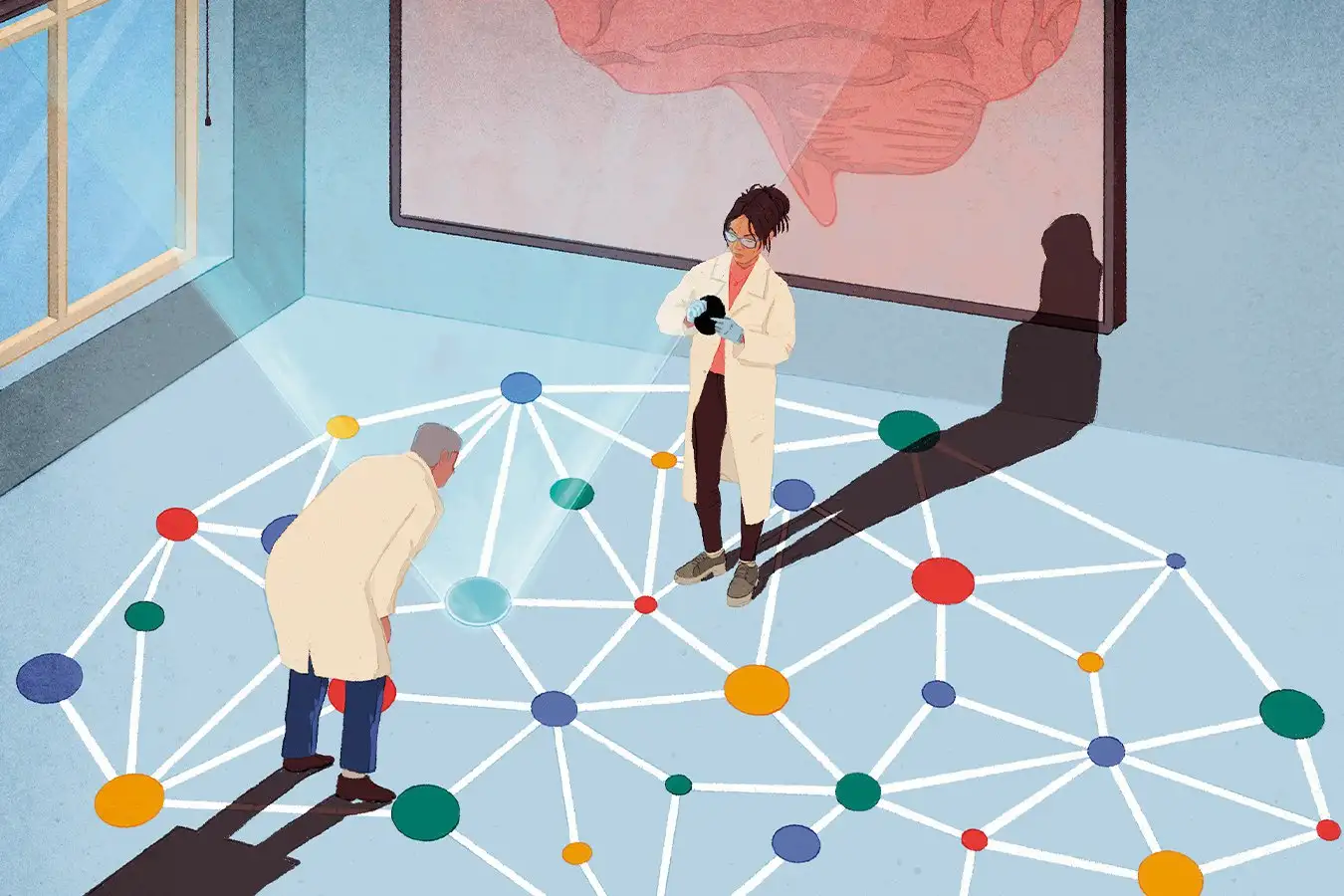
When my late lab partner Xu Liu and I first illuminated the brain cells that stored a particular memory, it felt like watching a thought flicker back to life. We stimulated a constellation of neurons inside a mouse’s hippocampus and hypothesised that these very neurons were the physical basis of memory, or the engram. We didn’t realise we were stepping into one of the most exciting frontiers in neuroscience: the ability to edit memory itself.
The phrase “memory manipulation” sounds sinister, conjuring up dystopian visions of erased histories or implanted lies. But in the lab, the reality is gentler and far more hopeful. The same discoveries that let us toggle memories on and off in mice are teaching us how to heal the brain from within, including how to weaken traumatic recollections, strengthen fading ones and rebalance the emotions that our memories carry.
Over the past decade, this work has revealed three broad principles. First, memories are malleable when they are being stored, recalled and restored. Second, they are distributed across the brain rather than in one region. And third, they can be artificially etched into the brain. Each principle reframes what “editing memory” really means.
When we form a memory, brain cells fire together and strengthen their connections. That process can be enhanced or impaired with different patterns of stimulation. Brain stimulation with implanted electrodes or magnetic pulses can improve navigation through virtual environments. Drugs, hormones or even a bit of sugar can enhance the brain’s ability to stabilise new experiences. And exercise stimulates the growth of new neurons and improves the health of our hippocampus, the rest of the brain and the body. The same idea works in reverse. Overstimulate memory circuits and a memory’s strength dims; block the molecules that cement those connections and it weakens more.
Memories can also be modified when recalled, temporarily destabilising a memory and opening a window of opportunity before it is stored again. Therapists already use this “reconsolidation window” when helping people living with phobias or trauma. In our animal studies, repeatedly reactivating negative memories is enough to blunt their emotional charge. What’s more, reactivating positive memories during distress can overwrite the negative tone entirely. In mice, a week of “positive memory reactivation” reversed depression-like behaviours for over a month.
Because memories are spread across the brain, they are also remarkably resilient. Damage to one region rarely deletes an entire experience. Instead, the brain can reroute access through alternate pathways and call upon multiple “drafts” of the memory. This redundancy offers hope for treating Alzheimer’s: if we can strengthen still-intact routes to a memory, we may repair pieces of identity once thought lost. Memory manipulation, then, isn’t about rewriting who we are – it is about giving the brain new paths back to itself.
The idea raises ethical concerns, as every major medical advance, from pacemakers to transplants, once did. The goal of our work is to reduce suffering and thereby improve our collective well-being: to help a veteran loosen the grip of a flashback, someone in recovery decouple a craving from its trigger, or someone with Alzheimer’s hold on to the names of loved ones.
Learning to reshape memory responsibly can help us heal, and the brain already edits memories every time we revisit them. Science today is simply learning the rules. And when I think about flickering memories on with Xu, I don’t see science fiction. I see science fact and a future in which remembering becomes a medicine for the mind.
Steve Ramirez is author of How to Change a Memory: One neuroscientist’s quest to alter the past
Topics:
Source link : https://www.newscientist.com/article/mg26835713-900-why-memory-manipulation-could-be-one-of-humanitys-healthiest-ideas/?utm_campaign=RSS%7CNSNS&utm_source=NSNS&utm_medium=RSS&utm_content=home
Author :
Publish date : 2025-11-26 18:00:00
Copyright for syndicated content belongs to the linked Source.