[ad_1]
Imagine three patient scenarios.
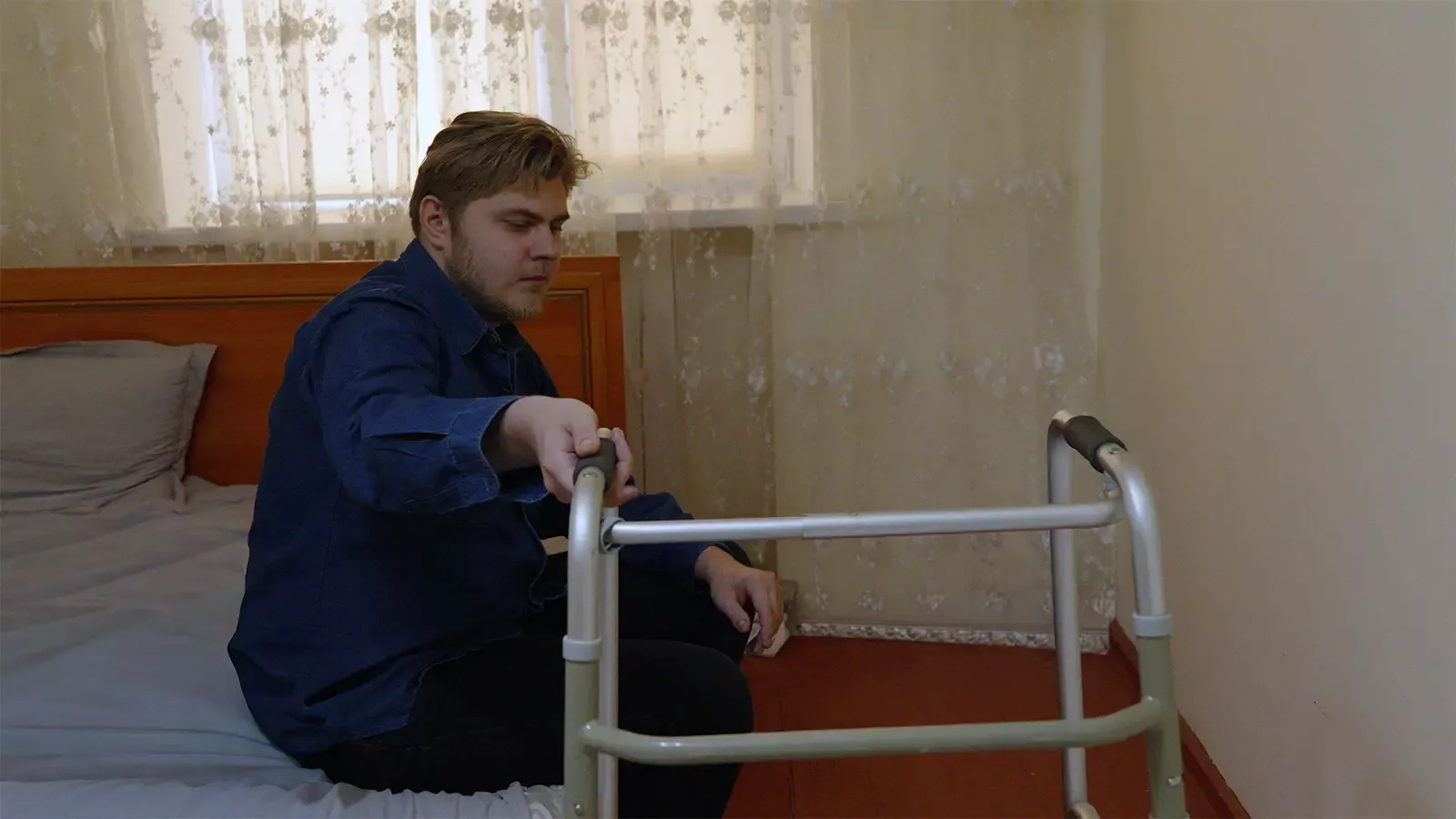
In one, a physician receives a MyChart message from a cancer patient who can no longer access her medications or even make a follow up appointment because her “medical frailty exemption” was denied and she subsequently lost her Medicaid health insurance.
In another, a hospitalist who is counselling a stroke patient on discharge reminds his patient to not only pick up their new medications, make follow up appointments with multiple specialists, and work on rehabilitation exercises, but also to submit a request to the state Medicaid agency to receive an exception for work-reporting requirements to make sure all their hospital bills are covered.
In the last, a primary care physician wraps up an extensive visit with a patient with sickle cell disease, only to be handed a long form to fill out in the final minute to certify that she is unable to work.
These examples, and others like them, may soon become commonplace as new Medicaid regulations take effect nationwide. Beginning in January 2027, approximately 20 million adults enrolled in Medicaid will become newly subject to “community engagement” requirements, more commonly known as work requirements. Enacted as part of HR1, the policy requires certain Medicaid beneficiaries to document at least 80 hours per month of work, volunteering, or other qualifying activities. Congressional budget estimates project substantial federal savings from the policy, largely because millions of people are expected to lose Medicaid coverage.
As states scramble to implement these requirements under evolving federal guidance, it is becoming increasingly clear that clinicians will play an important role in determining eligibility for Medicaid for their patients, and in doing so, will likely shoulder significant new administrative burdens.
A recently issued interim final rule adds a new eligibility condition and burden of proof to the medical frailty exemption, which exempts individuals with specified, serious, or complex medical conditions from work reporting requirements. While Congress provided that medical frailty would be able to be defined based on clinical conditions alone, these rules now stipulate that exemptions will only be given to those who can prove those clinical conditions prevent them from working. In other words, it’s not enough that a patient has cancer — they must prove that their cancer prevents them from working. States can try to use data to make that inference, but data on ability to work is neither routinely gathered during a clinical visit, nor is it coded and shared with state Medicaid programs.
Typically, physicians do not make major work determinations as a routine part of clinical care. We may complete work letters or Family and Medical Leave Act (FMLA) paperwork, but these are relatively limited in scope, impact, and risk. When physicians are asked to make higher-stakes work determinations, such as disability benefits or workers’ compensation, they are supported by special training, clear guidance, and more extensive resources. For example, formal vocational counselor evaluations and thorough physical therapy assessments help provide detailed information about a patient’s occupation and functional capacity to inform an accurate decision.
The new medical frailty provision of Medicaid work requirements introduces a fundamentally different expectation. It attaches major coverage consequences — whether someone has health insurance — to work determinations, but without providing the time, guidance, or support typically required to make those decisions. Instead, physicians may be asked to assess work capacity during a brief office visit, amidst other myriad administrative requirements, all while trying to manage more immediate medical concerns.
As physicians, we are trained to assess symptoms, make diagnoses, and develop treatment plans — not to determine ability to participate in the labor market at scale. This additional role may add to the already significant burden of moral distress among clinicians. Decisions to either complete or decline forms may affect trust in the physician-patient relationship. Clinicians may be asked to make work determinations without clear standards, in the face of uncertainty of whether there will be repercussions from state or federal regulators.
This all again raises the question of what problem work requirements are intended to solve. Research has consistently shown that most working-age Medicaid beneficiaries already work or are unable to work because of illness, disability, caregiving responsibilities, or school attendance. For those who face barriers to employment, interventions such as supported employment programs, transportation assistance, and job training have demonstrated success without putting healthcare coverage at risk.
Moreover, making Medicaid coverage contingent on work has not been shown to increase work participation, and it’s unlikely to create opportunities to obtain alternative forms of insurance coverage. Many beneficiaries work in part-time, seasonal, contract, or gig-economy jobs that do not offer health insurance. Individuals who will lose Medicaid coverage because of reporting requirements may remain technically eligible for the program while lacking access to affordable alternatives. For many, the result will be neither a path to prosperity, nor a transition to employer-sponsored insurance; instead, it will simply be a road to becoming uninsured.
At a time when millions of Americans already struggle with access to care, enormous amounts of energy are being devoted to implementing vague and non-evidence-based regulations. Primary care physicians, already undergoing a workforce crisis and burning out due to substantial administrative burden, should be spending time on activities that actually improve patient health — not serving as arbiters of the nation’s largest insurance program, one patient at a time.
[ad_2]
Source link : https://www.medpagetoday.com/opinion/second-opinions/121883
Author :
Publish date : 2026-06-23 16:18:00
Copyright for syndicated content belongs to the linked Source.