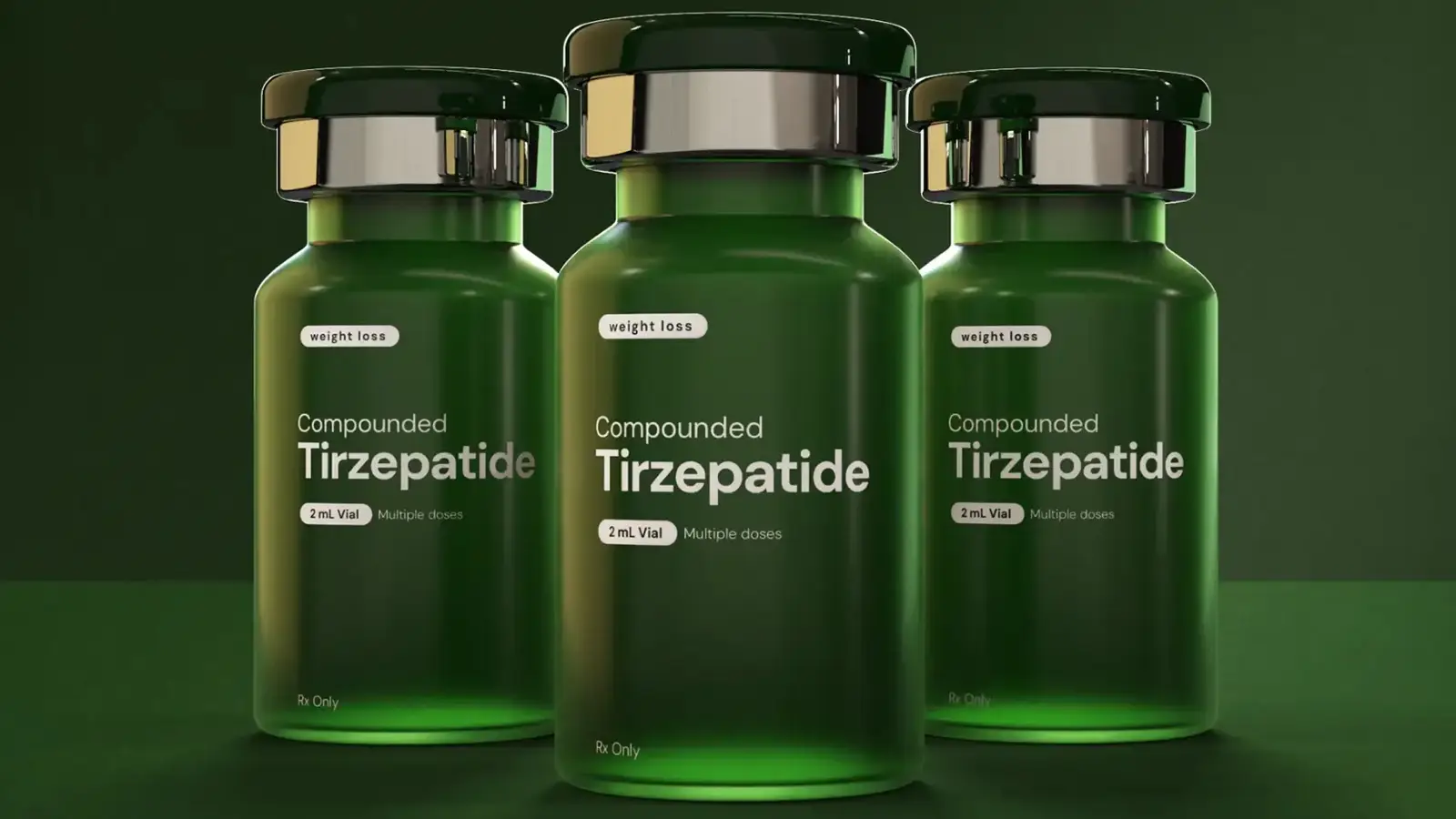
Compounded versions of tirzepatide (Mounjaro, Zepbound) containing vitamin B12 pose a potential safety risk to the public, Eli Lilly warned in an open letter on Thursday.
Following laboratory testing, the drugmaker said it uncovered “significant levels” of an impurity in the compounded products, which results from a chemical reaction between tirzepatide — a GIP/GLP-1 receptor agonist indicated for type 2 diabetes, weight loss, and obstructive sleep apnea — and B12, often listed on product labels as methylcobalamin, hydroxocobalamin, or cyanocobalamin.
“Our discovery of this new impurity … highlights the risks to patients of haphazardly mixing untested additives with complex molecules like tirzepatide without rigorous testing, clinical trials, and FDA approval,” Lilly noted. “People receiving tirzepatide-B12 products from compounders, telehealth companies, medspas, or anyone else should be aware that they may be using a potentially dangerous product with unknown risks.”
The risks to patients remain unknown, as the combination of tirzepatide and B12 has never been studied in humans. Consequently, there are no data on short-term or long-term effects in humans, the potential impact on receptor interaction, toxicity, or immune reactions. Also, compounders aren’t required to monitor or report adverse events in the same way as manufacturers of FDA-approved drugs.
The investigation, published in a preprint paper on Tuesday, tested U.S. samples of compounded tirzepatide combined with various B12 analogs. Mass spectrometry revealed that the combined molecule is larger than standard tirzepatide, potentially disrupting the way it is absorbed, distributed, metabolized, and eliminated.
The samples also showed inconsistent potency, with some samples containing as little as 43% of the labeled dose.
By adding B12, some compounders claim to offer “personalized” versions of the drug — a move Lilly says is an attempt to circumvent an FDA order to cease mass-compounding of tirzepatide after its shortage was resolved in late 2024.
“B12 is just one of the many untested additives used in the mass production of compounded GLP-1s under the guise of ‘personalization,'” the company stated. “In reality, these products are not ‘personalized’ at all.” Other additives identified included glycine, pyridoxine, niacinamide, and carnitine.
The FDA has consistently warned of the risks associated with compounded products due to a lack of federal oversight regarding safety, effectiveness, and quality. Lilly reported finding other “critical safety issues” in compounded tirzepatide samples, including bacterial contamination, high endotoxin levels, and other impurities.
Lilly called on the FDA to initiate a recall of all compounded tirzepatide using untested additives.
Source link : https://www.medpagetoday.com/publichealthpolicy/productalert/120277
Author :
Publish date : 2026-03-12 18:13:00
Copyright for syndicated content belongs to the linked Source.