A 19-month-old girl was born with a “tail-like” appendage on her lower back that grew larger over time and made walking independently difficult.
A physical exam revealed an extra limb resembling “a flexed thigh with a partially developed foot containing only a single toe” that formed at the sacral region of her lower back and pointed downward, noted Iman Dwi Winanto of the Universitas Sumatera Utara-Adam Malik General Hospital in Medan, Indonesia, and co-authors.
The diagnosis was congenital lumbosacral limb duplication, a form of polymelia, associated with spinal dysraphism. Congenital polymelia is rare, with estimated reported incidence rates of less than 1 in 100,000 to 1 in 1 million live births. Spinal dysraphism, defined as an “incomplete closure of the neural tube and overlying midline structures,” often occurs alongside polymelia, in addition to other congenital anomalies including vertebral malformations, the authors wrote in the American Journal of Case Reports.
Congenital polymelia is believed to be caused by disturbances early in the development of a human embryo, particularly processes related to “twinning and limb bud formation,” Winanto and team explained. “The most widely accepted mechanism is incomplete or asymmetric monozygotic twinning, in which one embryo (the parasitic twin) fails to fully develop while its residual limb buds remain attached to the normally growing fetus.”
“A second contributing mechanism involves abnormal duplication of limb buds, caused by disruptions in key signaling centers that regulate limb patterning, such as the apical ectodermal ridge and the zone of polarizing activity,” they added.
The case is believed to be the first of its kind in Indonesia, according to the authors. Prior research has indicated that the condition is four times more likely in female infants than male infants. Altogether, 29 cases of limb duplication with spinal dysraphism have been documented (19 females and 10 males).
Among these cases, 34.5% occurred in the lumbosacral region. Other related abnormalities included anorectal malformation (17.2%), congenital talipes equino varus (inward and downward turning of one or both feet; 13.8%), limb weakness (10.3%), rudimentary genitalia (6.9%), umbilical hernia (6.9%), and calcaneovalgus (excessive flexing of the foot against the shin) (3.4%).
The girl exhibited no signs of bladder dysfunction or bowel abnormalities and her anal sphincter muscles appeared normal. Her range of motion did not seem limited by her extra limb. Examinations of her chest, abdomen, and genitals were also normal, and neurological exams of her lower extremities found “normal muscle tone, power, and deep tendon reflexes,” Winanto and colleagues noted.
Diagnostic imaging — radiographs and 3-dimensional CT scans — confirmed the diagnosis of polymelia, while CT-angiography tracked the limb’s vascular supply to the common iliac artery. A lumbosacral MRI confirmed spinal dysraphism in the form of an S3 lipomyelocele, a collection of lymphatic fluid. Imaging of the brain, skull, and blood vessels detected no cerebral anomalies.
The young girl was the second-born child in her family. She was born full term without any complications and her mother had no history of maternal illness, fever, radiation exposure, or consumption of medications, alcohol, or illicit drugs during pregnancy. Her mother also did not take folic acid, the authors noted. (Doctors recommend pregnant women take folic acid for neural tube development.) The child had no family history of congenital anomalies and her developmental milestones were normal.
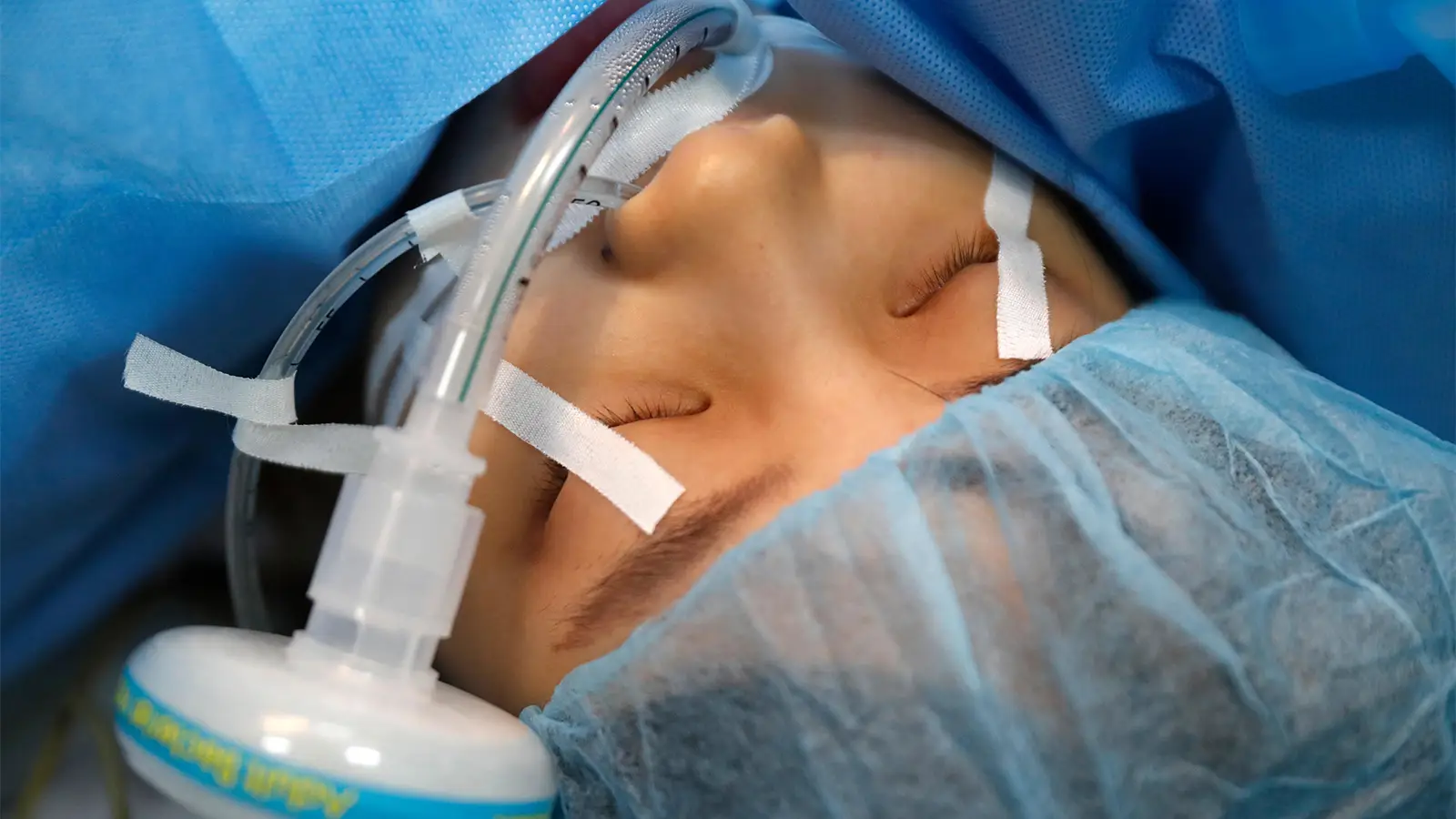
The girl underwent a single-stage surgery with a team that involved orthopedics, plastic surgery, and neurosurgery. Resection of spinal dysraphism was the first step, and was followed by ablation of the accessory limb and defect closure.
The girl began learning to walk 2 weeks after her surgery and was walking independently 3 months later.
“This case underscores that despite the rarity and complexity of polymelia with spinal dysraphism, a planned single-stage resection is safe and effective, leading to life-changing functional outcomes,” the authors wrote.
Source link : https://www.medpagetoday.com/casestudies/pediatrics/120438
Author :
Publish date : 2026-03-23 16:32:00
Copyright for syndicated content belongs to the linked Source.