
Developed in partnership with the Our Partner
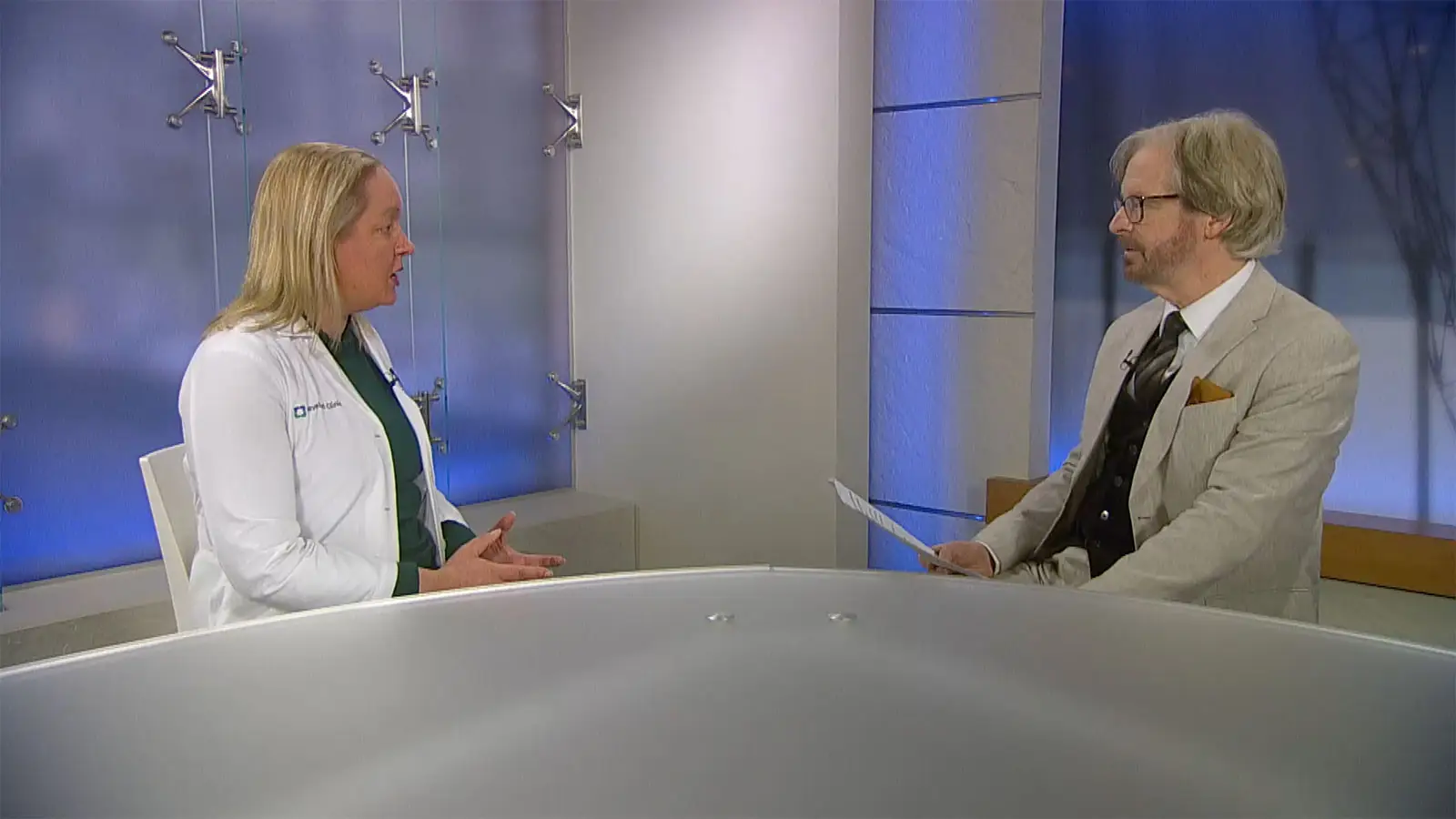
In “Beyond Diagnosis: Multiple Myeloma,” Cleveland Clinic hematologist Sandra Mazzoni, DO, and host John Mangels discuss how to communicate effectively and empathetically with patients facing a complex, chronic blood cancer.
Each monthly installment examines an aspect of multiple myeloma care, including delivering the diagnosis, building trust, navigating treatment decisions, and supporting patients through an evolving disease course.
This first of six episodes focuses on the initial diagnosis conversation: assessing what patients already know, managing emotional responses, and introducing the disease in a way that balances realism with reassurance.
The following is a transcript of their remarks:
Mangels: Welcome to “Beyond Diagnosis,” where we talk with doctors about talking with patients. I’m your host, John Mangels. Multiple myeloma is a complex disease with many decision points over the course of treatment. Today, we’ll explore how a hematologist approaches discussions about diagnosis, therapy, prognosis, and patient autonomy. Our guest is Cleveland Clinic hematologist, Dr. Sandy Mazzoni. We’ll talk about how she supports multiple myeloma patients during a difficult journey. Dr. Mazzoni, thanks so much for being here.
Mazzoni: Thank you, John. Happy to be here and looking forward to our conversation today.
Mangels: Dr. Mazzoni, multiple myeloma is a severe, chronic, long-term condition. How do you deliver the diagnosis without overwhelming the patient? And how do you prepare for and respond to the emotions that the diagnosis generates?
Mazzoni: So that’s a very important question to ask. It’s different with every patient, and so getting to know a little bit more about the patient before I just dive right into the details about the diagnosis prognosis. It can be very overwhelming if you don’t take the time to kind of understand the patient, kind of the family dynamics, what information they already know.
And from there, a lot of my patients, they already know they have multiple myeloma, but they may not know the important parts of the diagnosis. Or they may have read and they’re already in this frame of information overload and they don’t know what applies to them, what doesn’t apply to them. And then on the other end of the spectrum, we have patients who don’t even know their diagnosis yet.
So it’s always important to find out, well, where is this patient at with the information they already have? How scared are they? How are they going to handle this? So I try my best to try to figure this out before delivering the key piece of information about, yes, this is cancer. Yes, this is something that we have not yet figured out how to cure, but it’s very treatable.
And I think that’s the key information is it’s a very treatable cancer. It is a chronic cancer, like you mentioned at the very beginning, but it’s something that we have come a long way with being able to treat this. And so there’s a lot of, I think, optimism that we may not have had the same degree of optimism even 5 years ago.
Mangels: What’s the most important thing to convey in this first conversation?
Mazzoni: I think the very first thing to convey is that we’re going to be a partnership and that I really appreciate when patients come with a lot of questions. Being able to develop a rapport and trust between the two of us is very important. I appreciate when patients come and they bring family members because they themselves know, “I’m not going to retain a lot of this information.” That’s just a fact. The first couple appointments, it’s overwhelming no matter how you do it.
Mangels: What are patients afraid to ask about or to say to you?
Mazzoni: One of the number one things is they’re afraid to use the C word. They’re afraid to say, “Is this cancer? What’s going on?” Because there’s a spectrum of different disorders that lead up to multiple myeloma in some cases and other times where it’s caught where it’s already active disease and may have been active disease from the very beginning. Multiple myeloma is a unique disease, and so some patients I see, they don’t have active disease yet. So they’re always afraid to ask that initial question on the first meeting of, “Is this cancer?”
Mangels: To actually vocalize what the disease is, because I guess saying it, saying, “I have cancer, I’m a cancer patient,” really drives home in a way that just thinking about it probably didn’t do.
Mazzoni: Correct.
Mangels: What resources can you offer patients to help cope with the emotions, the feelings of having cancer after they actually say, “I’m a cancer patient.”
Mazzoni: Yeah. So within the clinic, we have really, really good social work support. We also have a lot of caregiver support. We have palliative medicine. We have cancer behavior health-specific team. So there’s a lot of things we can do. And not everyone wants to tap into those resources. Everyone copes with the diagnosis differently.
So that’s a really key thing to establish early on is how are people handling the diagnosis? Do they want to tap into extra resources? Are they someone who wants to kind of think about it, mull it over, talk with their family, and then maybe reach out in the next couple appointments for additional help?
Mangels: So you’re starting that assessment process, that inventory of what they might need in this initial conversation.
Mazzoni: Not always, but I try to tap into that conversation a little bit in order to see, well, you have to deliver the bad news carefully. I will never give you too much information all at once. I’m going to handle things in the way that we’ve established is the best way that you want information delivered.
Some patients, they don’t want to hear all this bad information or tough-to-hear information — I think bad information is probably an incorrect or bad term to use, but saying tough-to-handle information — they want to have it in bits and pieces and not all in one setting. Family support, a lot of patients have great family support, and then I have other patients who really, they’re on their own. And those are the patients that I really try to get them to open up more to me, trust me, and allow us to provide additional resources if they’re open to it.
Mangels: And I’m guessing the impact of the diagnosis probably affects the patient’s ability to absorb information. So that’s why you’re probably staging the information you deliver as the patient becomes more accustomed to their disease.
Mazzoni: Absolutely.
Mangels: Over time, have you changed how you approach patients in this initial conversation?
Mazzoni: I have. When I started, I was the person who… I was probably responsible for giving way too much information a little too bluntly in the beginning, and I’ve definitely softened on that. I think it’s really, really important to me to be able to have my patients engaged. I can’t get every single patient to engage as much as I would hope they will, but I really want to advocate for them. I want them to be able to understand.
And so I spend a lot of time in the first few visits breaking down the information so that they understand this overwhelming amount of lab data coming in: what is important from the report, from their bone marrow biopsies, the imaging that they get, etc.
Mangels: Thanks so much for your insights, Dr. Mazzoni. And thank you for joining us on “Beyond Diagnosis,” where we explore not just what physicians know, but how to effectively and compassionately share that knowledge with patients. See you next time.
Source link : https://www.medpagetoday.com/beyond-diagnosis/multiple-myeloma/120594
Author :
Publish date : 2026-04-01 14:51:00
Copyright for syndicated content belongs to the linked Source.