As healthcare professionals, we understand the gravity of our responsibilities. We are held to exacting standards, and we accept that our decisions may be scrutinized in malpractice claims. Many of us have been named in such suits; we devote significant time and energy to defending clinical judgments often made under urgent, high-pressure conditions and grounded in the best available evidence. When errors occur and harm results, we recognize the necessity of accountability.
But consider a different kind of responsibility. What if your role were to design, manufacture, or market products that — according to well-established scientific evidence — pose substantial risks to public health — products such as tobacco, opioids, firearms, or fossil fuels?
In those cases, should our legal system allow courts to hold manufacturers accountable for the consequences of their products? Or should Congress enact protections, as introduced last month for Big Oil in the House and Senate, that shield these industries from liability — effectively granting immunity to profit-driven energy entities despite decades of evidence demonstrating the harms associated with their products?
This contrast raises a fundamental question about fairness, accountability, and whose interests our legal and legislative systems ultimately serve.
Why Polluters Need to Pay
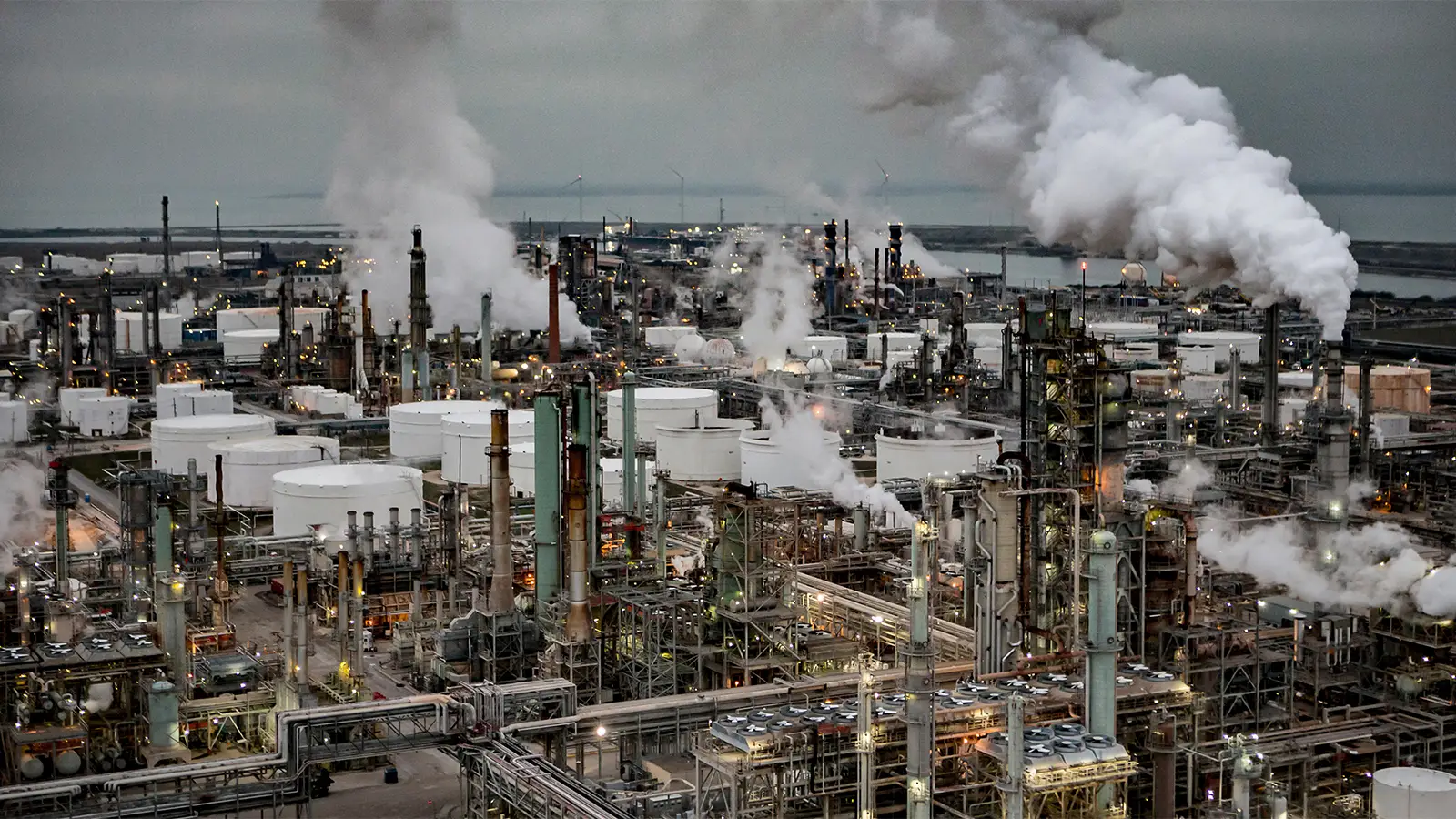
Shockingly, just as tobacco companies understood for years the harm caused by their products, fossil fuel companies have conducted decades-long misinformation campaigns that have slowed the transition to cleaner energy and resulted in a staggering number of real-world health consequences, placing lives at risk and straining an already overburdened healthcare system.
Health practitioners have long borne witness to the detrimental impacts of mis- and disinformation campaigns. We have seen how distorted or suppressed evidence can delay appropriate care, undermine public trust, and cost lives.
It is therefore not surprising that, after reviewing the evidence, attorneys general across numerous states have pursued legal action against companies such as Exxon, Chevron, and Shell. In addition, several state and local governments have advanced “climate superfund” laws requiring offending fossil fuel corporations to pay for damages caused by climate change-driven disasters. Such legislation has been passed in New York and Vermont.
Big Oil Is Sidestepping Liability
Referencing the disinformation playbook utilized by the tobacco and opioid industries to avoid their day of reckoning in court, Big Oil companies have sought legal immunity from Congress. A similar law that shielded the firearms industry from lawsuits over gun violence, the Protection of Lawful Commerce in Arms Act (PLCAA), was enacted in 2005. Since then, not a single negligence case against a gun manufacturer has gone to trial.
In a letter last year that specifically referenced PLCAA as a model, 16 Republican state attorneys general petitioned then-Attorney General Pam Bondi to suggest additional steps that the Department of Justice could take to “assist our states in continuing the fight against anti-energy interests.” In late March of this year, Utah became the first state to pass an immunity law — similar to PLCAA — protecting Big Oil from climate-related claims. Comparable measures have been introduced in several other states.
At the federal level, granting blanket immunity to fossil fuel corporations would effectively serve as a “get out of jail free” card, allowing them to continue profiting at the expense of public health. Reflecting this effort, lawmakers last month introduced the Stop Climate Shakedowns Act of 2026 in both the House and Senate. The proposed legislation would provide oil and gas companies with sweeping legal protections against policies and lawsuits seeking to hold the industry accountable for harms linked to their emissions.
Although the bills are unlikely to gain bipartisan support through the normal legislative process, proponents may attempt to advance them through budget reconciliation to sidestep the Senate’s 60-vote filibuster threshold.
How This Impacts Our Communities and What We Can Do
We see the consequences of fossil fuel pollution every day in our offices, clinics, emergency departments, and communities. They are measured in human lives, with hundreds of thousands of deaths in the U.S. each year linked to pollution and climate-related factors — including worsening air quality, more frequent hot and humid days, extreme weather events that cause flooding and power outages, the spread of vector-borne diseases, and longer, more intense allergy seasons, to name just a few.
These impacts drive up healthcare costs, increasing insurance premiums and, in turn, limiting access to care and placing additional strain on an already overburdened system. Holding polluting industries financially accountable can help defray the costs of disaster response, strengthen infrastructure to mitigate the worst climate impacts, and ease the growing burden on our healthcare system.
Grounding our actions squarely on the health of our community, we have the opportunity to leverage our expertise and experience to influence the outcome of this legislation. Call your member of Congress today to express your concerns, or add your name to this petition. Better yet, contact other health professionals in your state to learn how to write an opinion piece for your local newspaper, or join your colleagues in a meeting with your legislators.
Together, we can hold corporate polluters accountable and protect the health of our patients and our communities.
Source link : https://www.medpagetoday.com/opinion/climate-checkup/121317
Author :
Publish date : 2026-05-18 18:17:00
Copyright for syndicated content belongs to the linked Source.