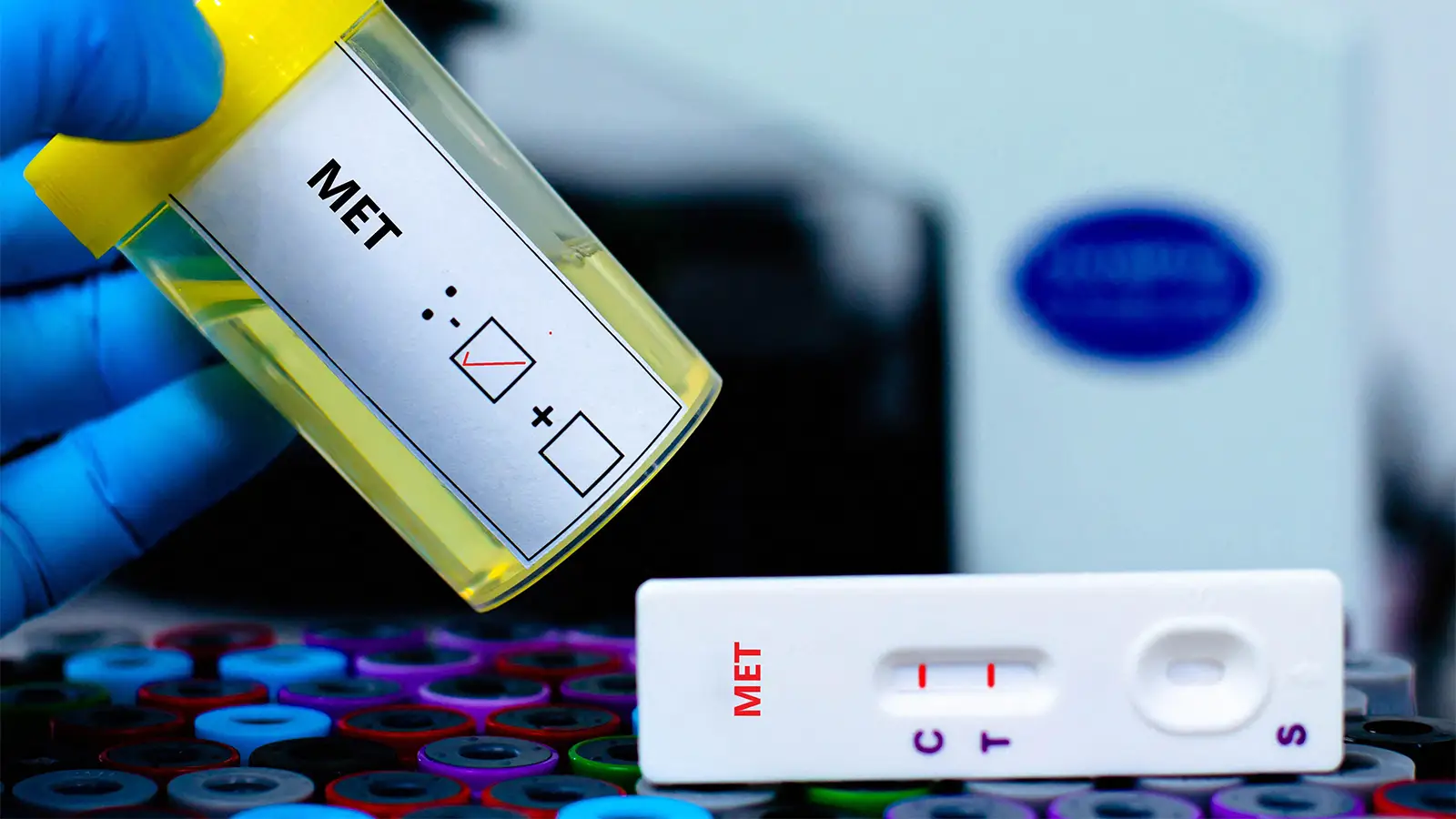
- A placebo-controlled trial showed that use of the antidepressant mirtazapine in routine clinical practice reduced methamphetamine use in adults with methamphetamine use disorder.
- There were no significant effects on secondary endpoints, including depression, insomnia, HIV risk behavior, and quality of life.
- There are currently no FDA-approved drugs for treating methamphetamine use disorder.
Use of the antidepressant mirtazapine in routine clinical practice reduced methamphetamine use in adults with methamphetamine use disorder, a phase III randomized trial showed.
In participants who used methamphetamine a median of 24 days over the past 28 days, the mean reduction in days of methamphetamine use from baseline to week 12 was greater in the mirtazapine group than in the placebo group (7 vs 4.8 days of 28 days, P=0.02), reported Rebecca McKetin, PhD, of the National Drug and Alcohol Research Centre at the University of New South Wales Sydney in Australia, and colleagues in JAMA Psychiatry.
Methamphetamine use disorder is associated with increased risks of psychosis, cardiovascular events, accidental injuries, suicide, homicide, and suboptimal neonatal outcomes, the authors noted. There are currently no FDA-approved drugs for treating the disorder.
“At the moment, all of the treatment options we’ve got are psychosocial,” and can be difficult to access, McKetin told MedPage Today. Patients who do try to quit methamphetamines often experience severe withdrawal symptoms, including strong mood changes and sleep disturbances, which can drive them right back to using the drug, she said.
“So, the exciting thing about our finding is that we’re able to confirm that mirtazapine, this generic antidepressant that’s widely available and quite cheap … can actually … help people to reduce their methamphetamine use” in a setting of routine clinical care, McKetin noted, adding that the drug has a “well-established safety profile.”
The findings were in line with two previous phase II studies, which together showed that mirtazapine likely resulted in a small reduction in continued methamphetamine use among cisgender men and transgender women with amphetamine and methamphetamine use disorder.
For the general practitioner, “the take-home message is that they can use this [drug] to help people who want to reduce their methamphetamine use, in addition to using it for depression, and they can do that fairly safely,” McKetin said.
This parallel-group double-blind trial was conducted from November 2022 to May 2025 at six outpatient alcohol and other drug clinics in Australia among adults with moderate to severe methamphetamine use disorder.
McKetin and team randomized 339 participants to mirtazapine 30 mg daily for 12 weeks or placebo. Mean age was 42, and 37.2% were women.
There were no unexpected safety events in the trial. Participants in the mirtazapine group versus the placebo group were more likely to report drowsiness (47% vs 33%) and weight gain (10% vs 3%). Twenty-three percent of participants discontinued mirtazapine due to adverse events compared with 15% in the placebo group.
There were no significant effects on secondary endpoints, including depression, insomnia, HIV risk behavior, quality of life, and methamphetamine-negative oral fluid samples.
McKetin acknowledged that her study showed “quite a small effect” on methamphetamine use.
“As researchers, we need to come up with something that has a stronger impact and a larger treatment effect,” she said.
The authors noted that treatment effects may have been “diluted by having a heterogeneous group of participants who had entrenched patterns of methamphetamine use, poor medication adherence, and high discontinuation rates.”
Source link : https://www.medpagetoday.com/psychiatry/addictions/120597
Author :
Publish date : 2026-04-01 15:37:00
Copyright for syndicated content belongs to the linked Source.