- Vaccine coverage by age 2 was similar between kids born in 2021-2022 and 2019-2020, a CDC report showed.
- However, decreases were observed for five vaccines and in certain demographic groups for kids born in 2021-2022.
- These data precede the CDC’s drastic reduction in the number of universally recommended childhood vaccines, and the impact of this reduction remains to be seen.
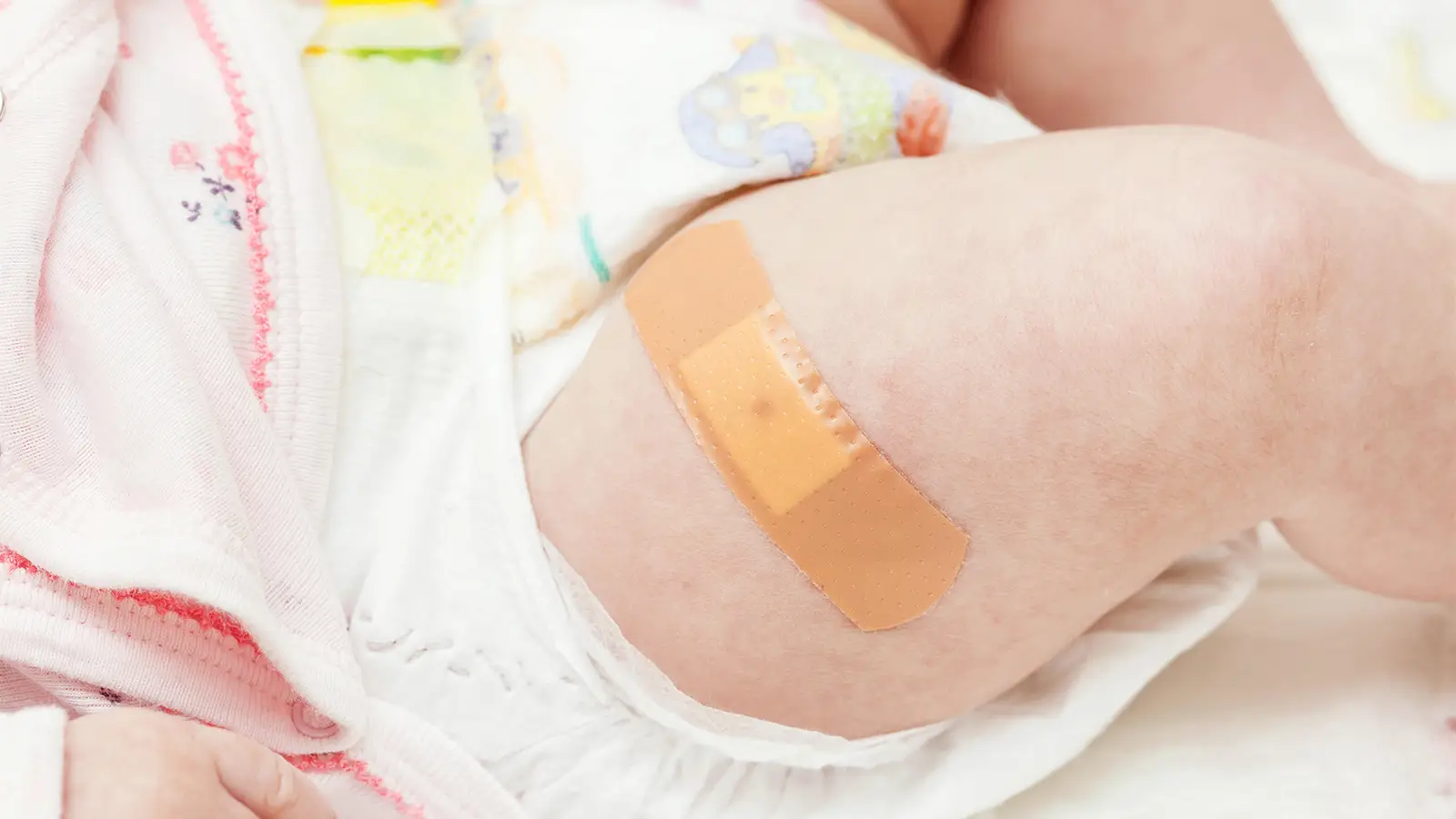
Vaccine coverage by age 2 was similar between kids born in 2021-2022 and 2019-2020, though decreases were observed for five vaccines and in certain demographic groups during the more recent years, a CDC report showed.
The largest difference in estimated vaccination coverage between the two groups was a decrease of 7.4 percentage points in coverage with two or more doses of the influenza vaccine (61% to 53.5%), reported Holly Hill, MD, PhD, of the CDC’s National Center for Immunization and Respiratory Diseases, and colleagues in the Morbidity and Mortality Weekly Report.
Smaller declines were seen in coverage with the birth dose of the hepatitis B vaccine (81.1% to 79.3%), the rotavirus vaccine (75.8% to 74.2%), four or more doses of the pneumococcal conjugate vaccine (82% to 80.5%), and the primary series of the Haemophilus influenzae type b conjugate vaccine (92.9% to 91.9%).
For kids born in 2021-2022, coverage was lower among those eligible for the Vaccines for Children (VFC) program compared with those who were not, and among Black or African American and Hispanic or Latino kids, versus white and Asian kids. Coverage was also lower among kids living in poverty and in more rural areas.
“Vaccines have substantially reduced severe illness, hospitalization, and death and have saved approximately $2.7 trillion in societal costs,” Hill and colleagues wrote. “Although national vaccination coverage remained stable for most vaccines, lower coverage among certain population subgroups and in some jurisdictions is creating an increased risk for outbreaks of vaccine-preventable diseases.”
For instance, in 2024, the preliminary number of reported pertussis or whooping cough cases was higher than that reported in 2019, prior to the COVID-19 pandemic. In 2025, the U.S. saw more than 2,100 confirmed measles cases, the highest number of annual cases since measles was declared eliminated in 2000.
“Because national and state data might obscure what is happening locally, state and local health departments are encouraged to analyze data from their immunization information systems to identify opportunities for increased attention and intervention,” the authors noted.
Data were collected for this report in 2024, when U.S. recommendations included routine vaccines and a monoclonal antibody to protect against 16 diseases in kids by age 2 years.
However, earlier this year, the CDC, under Health Secretary Robert F. Kennedy Jr., drastically reduced the total number of universally recommended vaccines in childhood from 17 to 11, contrary to the advice of public health experts. The impact this reduction will have on vaccine coverage remains to be seen. A judge temporarily blocked many of the vaccines under Kennedy, but experts say the chaos and confusion surrounding vaccine policy has already caused damage.
The report showed that coverage for kids born in 2021-2022 remained at or above 90% for three or more doses of the poliovirus vaccine (92.1%), three or more doses of the hepatitis B vaccine (91.6%), one or more doses of the measles, mumps, and rubella vaccine (90.8%), and one or more doses of the varicella vaccine (90%).
Along with two or more doses of the influenza vaccine, the lowest estimates of coverage were for two or more doses of the hepatitis A vaccine (46.8%).
Of note, the percentage of kids who did not receive any vaccines (1.2%) continued to meet the Healthy People 2030 target of 1.3% or less.
Differences in coverage for eligible kids in the VFC program ranged from 2.5 percentage points lower for three or more doses of the hepatitis B vaccine to 22.4 percentage points lower for two or more doses of the influenza vaccine compared with non-eligible kids, while differences for kids living below the federal poverty level ranged from 3.5 percentage points lower for three or more doses of the hepatitis B vaccine to 18.1 percentage points lower for the rotavirus vaccine, versus those living at or above the poverty level.
The starkest jurisdictional gap was for two or more doses of the influenza vaccine, with coverage ranging from 25.2% in Mississippi to 78.3% in Massachusetts.
For this report, Hill and colleagues used data from the National Immunization Survey-Child, which monitors coverage with recommended routine childhood vaccines.
Household survey response rates of 22% to 27% and availability of adequate healthcare provider data for only about half of completed interviews could have led to selection bias, the authors noted. Additionally, the sampling procedure and collection of data relied on respondents having cellphones, and vaccination histories might have been incomplete if not all providers were identified or if not all responded to requests for vaccination information.
Source link : https://www.medpagetoday.com/pediatrics/vaccines/120536
Author :
Publish date : 2026-03-27 21:00:00
Copyright for syndicated content belongs to the linked Source.