[ad_1]
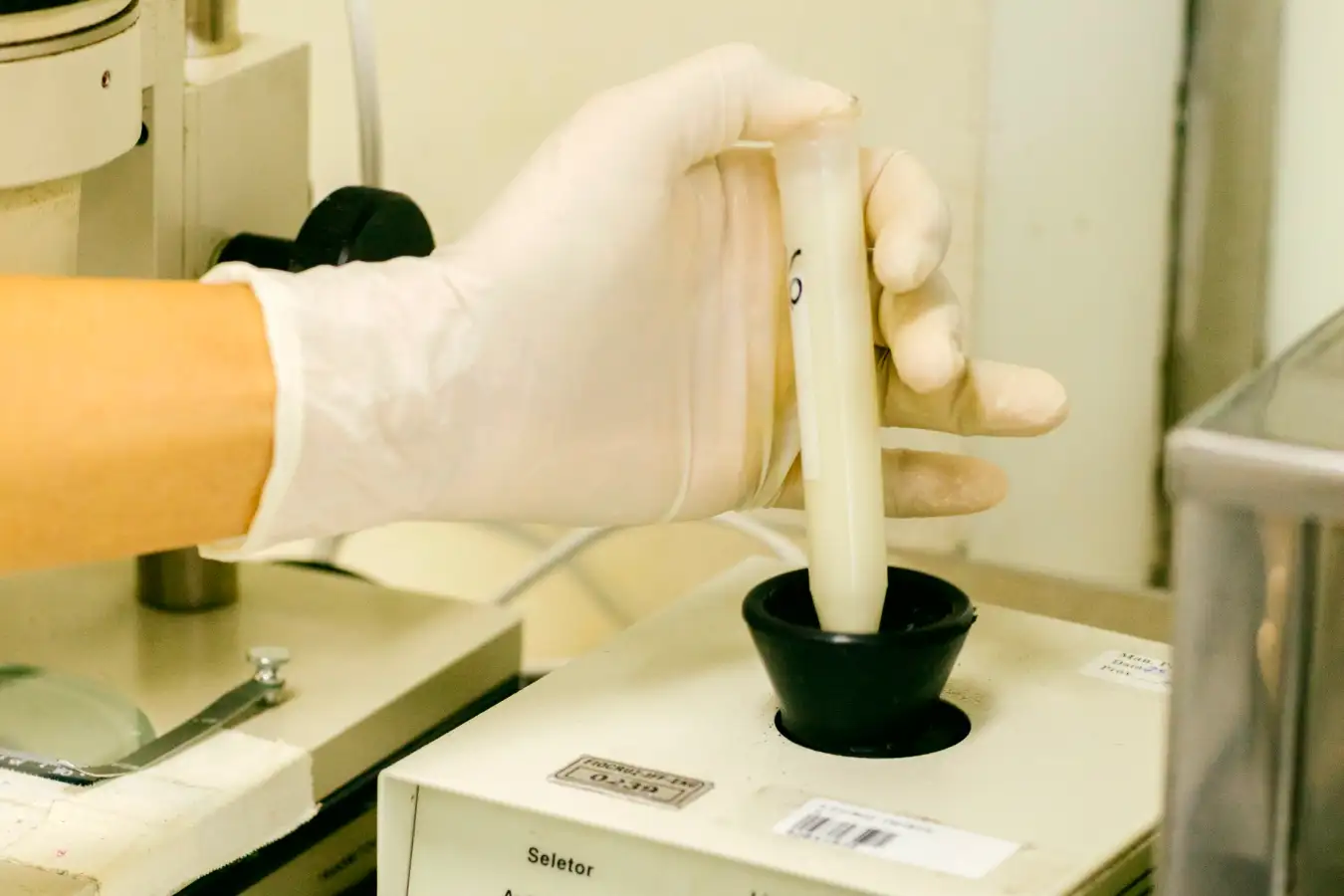
At the Instituto Fernandes Figueira in Rio de Janeiro, breast milk undergoes one of many tests it is subjected to before it is released for consumption
Kristin Bethge
If you are a new mother and unable to breastfeed, few places are better than Brazil when it comes to getting assistance. Milk banks, which collect donated breast milk and distribute it to mothers and babies in need, have existed since the early 20th century, but they were frequently expensive and not widely accessible. But in the 1980s, João Aprígio Guerra de Almeida, a young chemist, worked with Brazilian public health officials to redesign the country’s milk banks from the ground up, using cheap, creative solutions like repurposing hot water baths from the food industry that were 10 times cheaper than standard pasteurisation machines, or sterilising coffee and mayonnaise jars so they could be reused as milk bottles.
The Brazilian word for this imaginative problem-solving is jeitinho, says photographer Kristin Bethge, who, with the journalist Niklas Franzen, visited and reported on several of Brazil’s milk banks, like the Fernandes Figueira Institute in Rio de Janeiro.
Today, Brazil’s milk-bank system is frequently cited as one of the world’s best, providing some of the world’s cheapest and safest breast milk. It operates at a vast scale, with more than 200 milk banks – the most in the world – serving hundreds of thousands of babies. Brazil saw a more than 70 per cent drop in mortality of children under 5 from 1990 to 2015, which many credited at least in part to its milk bank system.
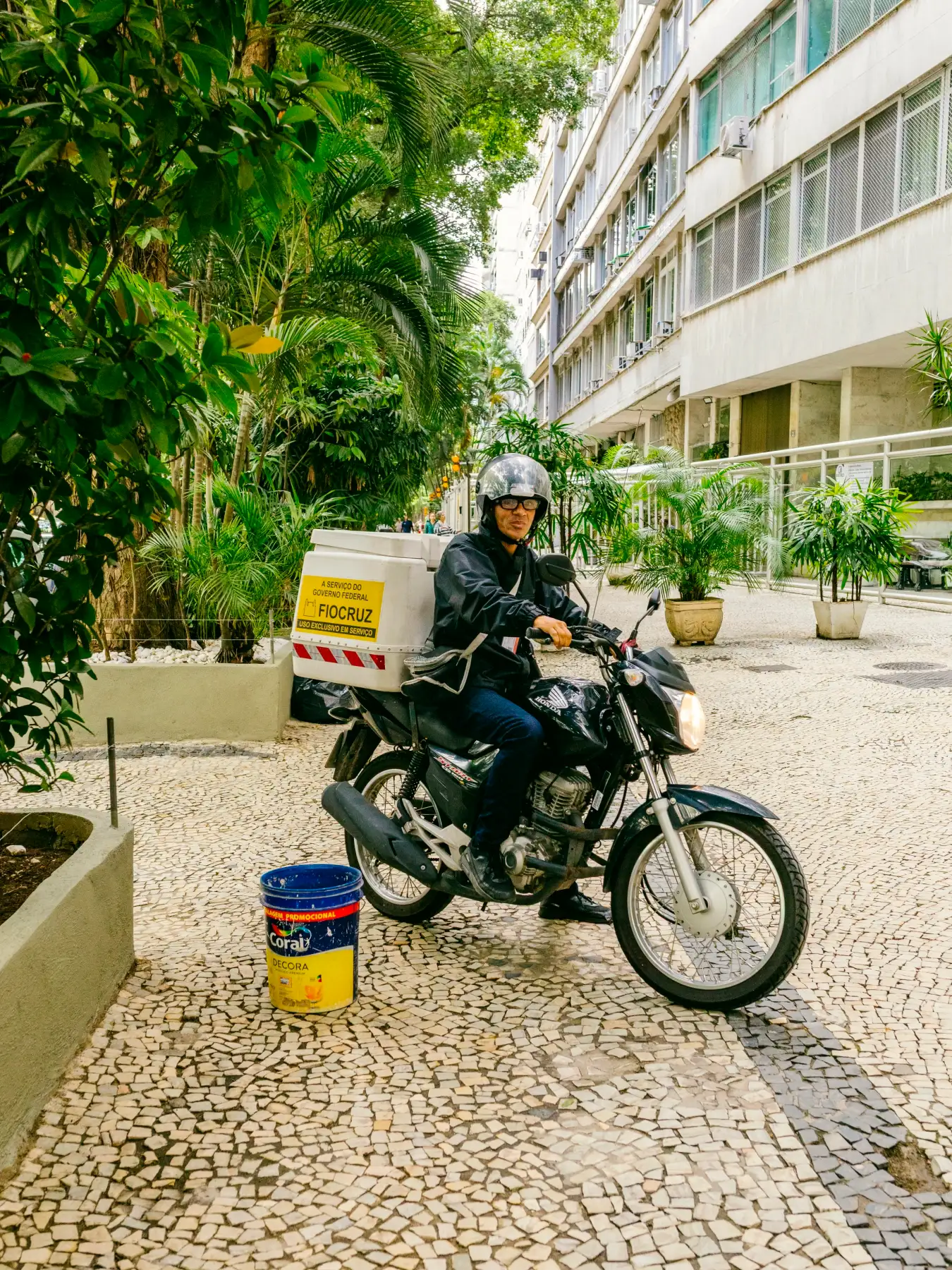
A courier at the Instituto Fernandes Figueira collects breast milk from a donor
Kristin Bethge
On top of its efficiency, part of the reason for the system’s success is that it makes it easy for women to freely donate and receive milk, supported by a network of courier drivers who crisscross the country. One of these drivers can be seen delivering milk by bike in Flamengo, a suburb of Rio de Janeiro (above). “We spoke to one donor, and she said, if it wasn’t for a courier to pick up her milk, she wouldn’t do it, it would just not be possible,” says Bethge. “This would be really nice for Europe and for other countries”, to adopt, she adds.
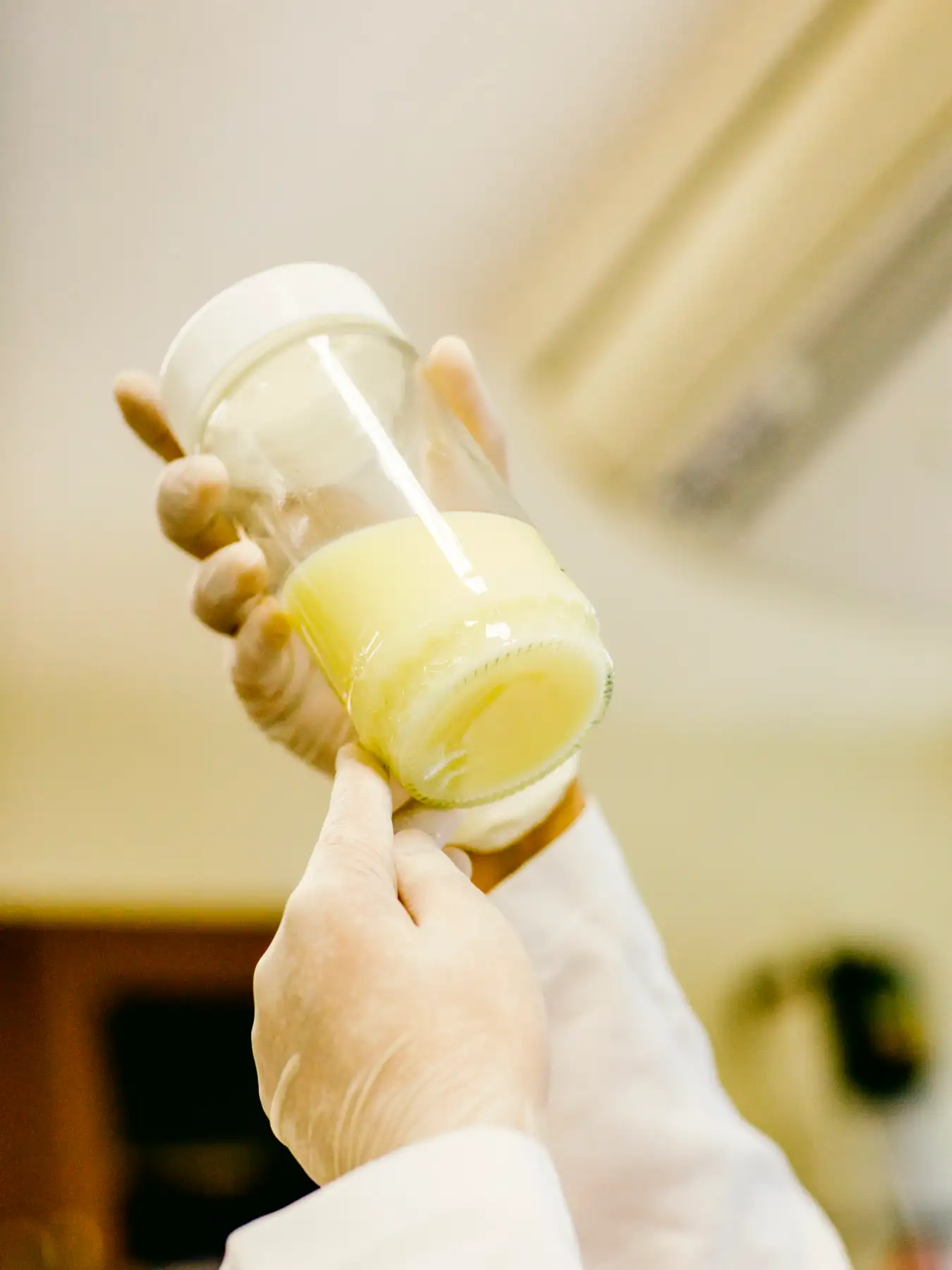
A lab assistant checks breast milk for any large contaminants, such as hair or dust particles – the first step in breast milk quality control
Kristin Bethge
The milk banks themselves are also multipurpose facilities, acting as holistic support centres for new mothers, collecting milk, sterilising and storing it, as well as supplying it directly to premature babies in need. All milk is first checked for large contaminating detritus, such as hair or dust, that would result in a sample being rejected (above). The milk is then warmed up and liquefied in a water bath (below), so that it can undergo more rigorous tests to ensure that it is free of biological contaminants (main image, top).
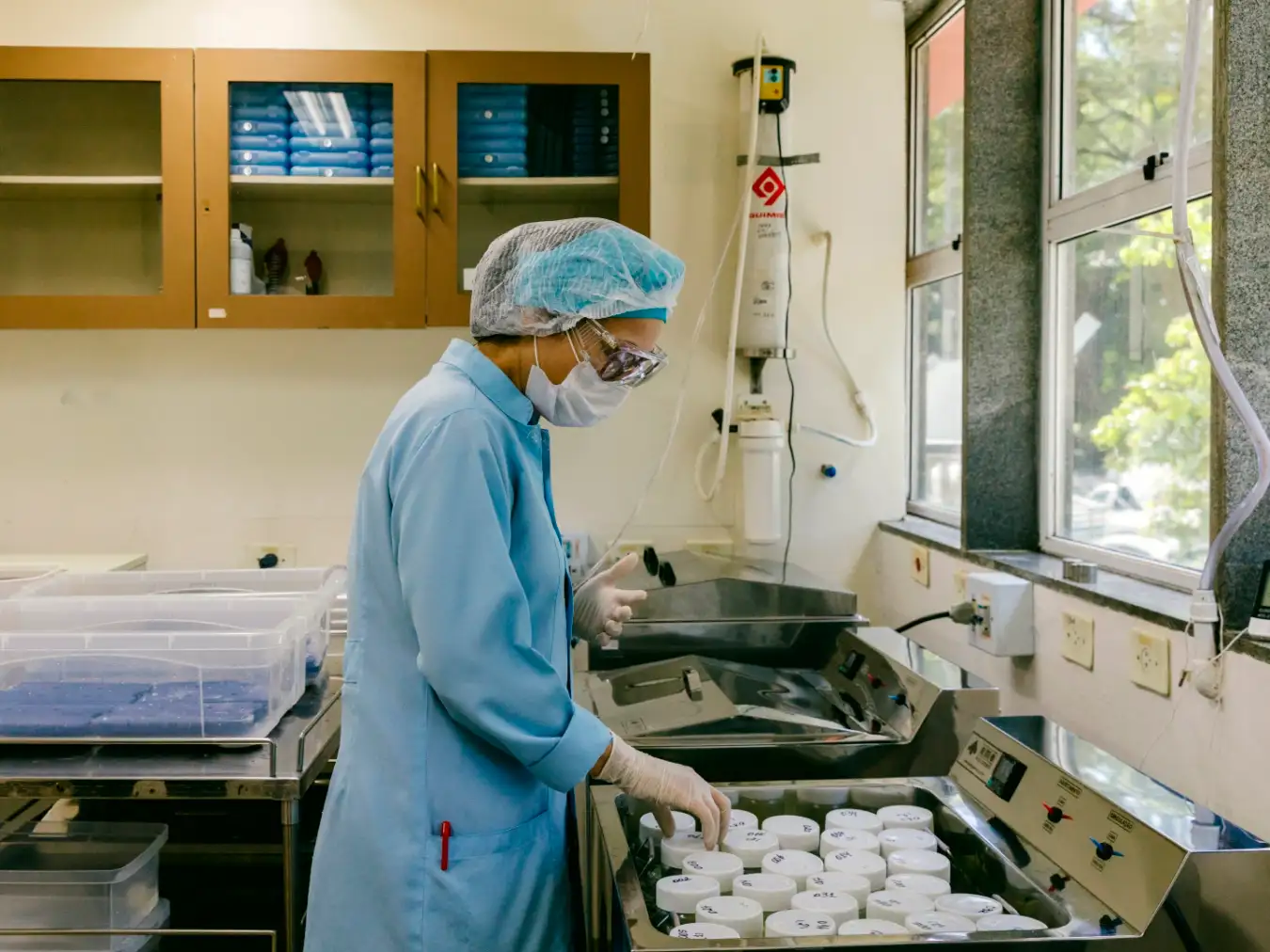
The milk is pasteurised at 62.5°C for 30 minutes to kill any bacteria
Kristin Bethge
Women can also receive assistance from nurses to help express milk for their babies if they are in need, such as in wards for premature births (below).
“You see the whole circle, from the woman who was delivering [the milk] to the baby who gets it,” says Bethge.
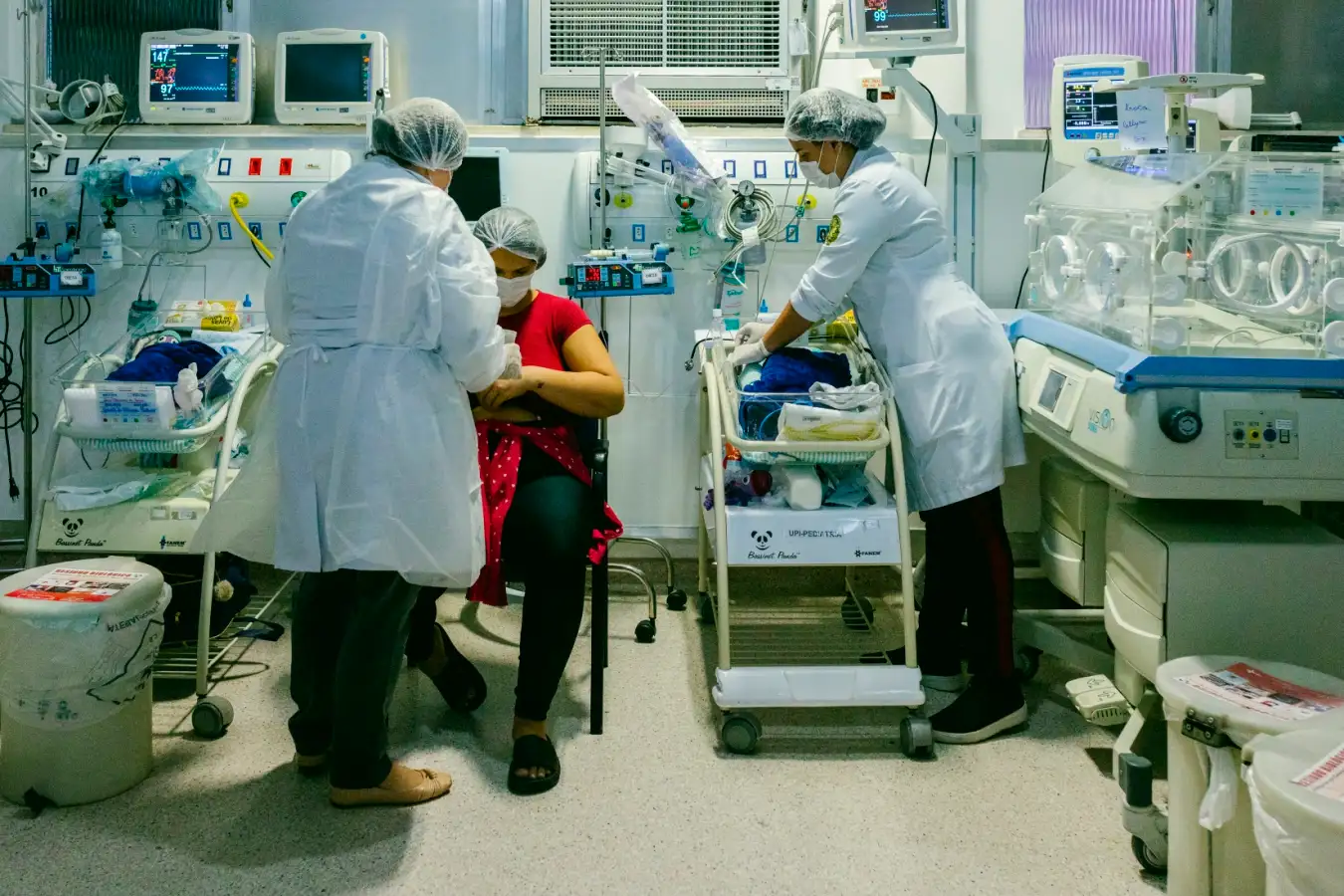
A nurse expresses milk for the mother’s two premature twins at the Instituto Fernandes Figueira
Kristin Bethge
Topics:
[ad_2]
Source link : https://www.newscientist.com/article/2530765-inside-brazils-vast-network-of-lifesaving-free-milk-banks/?utm_campaign=RSS%7CNSNS&utm_source=NSNS&utm_medium=RSS&utm_content=home
Author :
Publish date : 2026-06-24 18:00:00
Copyright for syndicated content belongs to the linked Source.