[ad_1]
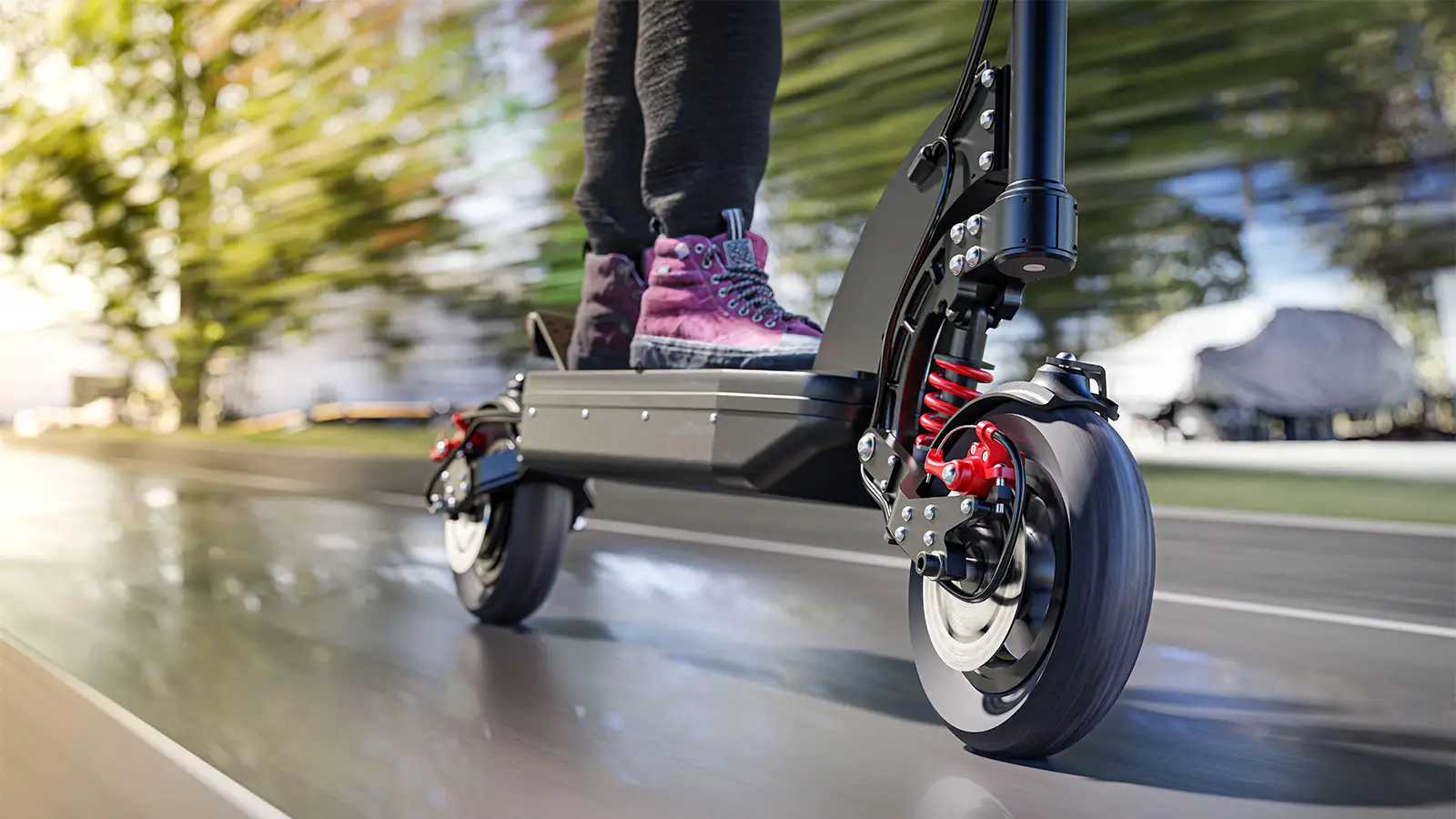
With their sleek black bodies and shock absorbers, powered scooters are an attractive toy. For many, they seem like a convenient solution to urban traffic, but based on what I’ve seen in the trauma department, they may be causing more harm than good.
As a rotating medical student on the trauma service, I expected to see many motor vehicle collisions involving cars and motorcycles. Instead, I was shocked by the number of electric scooter (e-scooter) accidents that wheeled into the resuscitation bay. I witnessed a 26-year-old male who presented after simply hitting a pothole during his morning commute, sustaining a deep abrasion to the left half of his face along with an open left clavicle fracture and dislocated left shoulder.
His face will likely have a permanent scar mirroring the likes of a certain Batman villain. His shoulder will be prone to future dislocations and may limit his ability to play golf, which brings him great joy. Open fractures and severe head injuries are just a few of the injuries I routinely saw in patients presenting from a powered scooter accident.
As powered scooters continue to gain popularity and become more accessible via scooter share apps, we need to prevent the uptick in traumatic injury that’s bound to follow. A study that analyzed the National Electronic Injury Surveillance System database shows a steady increase in electric scooter injuries, from 29,344 in 2020 to 115,713 in 2024 — a nearly four-fold rise.
This begs the question: how have powered scooters vaulted into routine public use given their clear injury risk?
The issue lies, at least in part, within the regulatory process. While cars have federal oversight, powered scooters have been left to be handled by state and local legislation, leading to significant inconsistencies across the country. Some states have age restrictions while others do not; some have traffic laws dictating where the scooters can operate (high speed roadways versus smaller streets versus sidewalks).
Only three states — Illinois, New York, and Utah — explicitly outlaw operating an e-scooter while carrying alcoholic beverages or while under the influence of drugs and alcohol; and five states specify helmet requirements for teenage operators, yet no states mandate helmet use for adult e-scooter riders. Concerningly, among patients who present to trauma centers, the large majority were not wearing a helmet while riding.
Limiting access to scooter-share apps with a poor safety record is one potential intervention. One study found that limiting e-scooter use in Miami (by revoking the permits to five major mobile applications for violation of safety protocols) led to a significant drop in orthopedic trauma cases at a Level 1 trauma center, with injuries caused by e-scooters falling from 2.8% to 1.8% of patients.
However, the number of injuries are only part of the problem; it’s also about the types of injuries and who is being harmed. E-scooter users have an average age much lower than the general population (median age 30), meaning their consequences go beyond the cost and recovery from a hospital stay. Traumatic brain injuries and complex fractures are only a few of the sustained injuries that can leave lifelong changes in functioning. Whether it be mental limitations, decreased mobility, or difficulty performing activities of daily life, the loss of quality-adjusted life years is concerning. For example, the patient on my rotation may never play golf to the same capacity ever again, and his scar may change how he is perceived by others. These consequences last a lifetime.
We need to normalize helmet use, regulate traffic patterns, and ensure accountability on the part of the companies that produce these products. Anyone who visits the trauma bay will understand that powered scooters are not just toys. Until we stop treating them as such, we will continue to see the consequences of our own negligence — fractures, brain injury, and lives permanently affected for the worse.
[ad_2]
Source link : https://www.medpagetoday.com/opinion/second-opinions/121384
Author :
Publish date : 2026-05-23 16:00:00
Copyright for syndicated content belongs to the linked Source.