[ad_1]
- CMS reimburses for remote patient monitoring, which grew 10-fold from 2019 to 2022, in an effort to cut hospital readmissions.
- In this randomized trial of patients hospitalized for sepsis or serious respiratory infections, remote monitoring interventions failed to outperform usual care, with similar proportions of patients alive and out of the hospital at 90 days postdischarge.
- CMS should rethink the role of remote monitoring, according to the researchers.
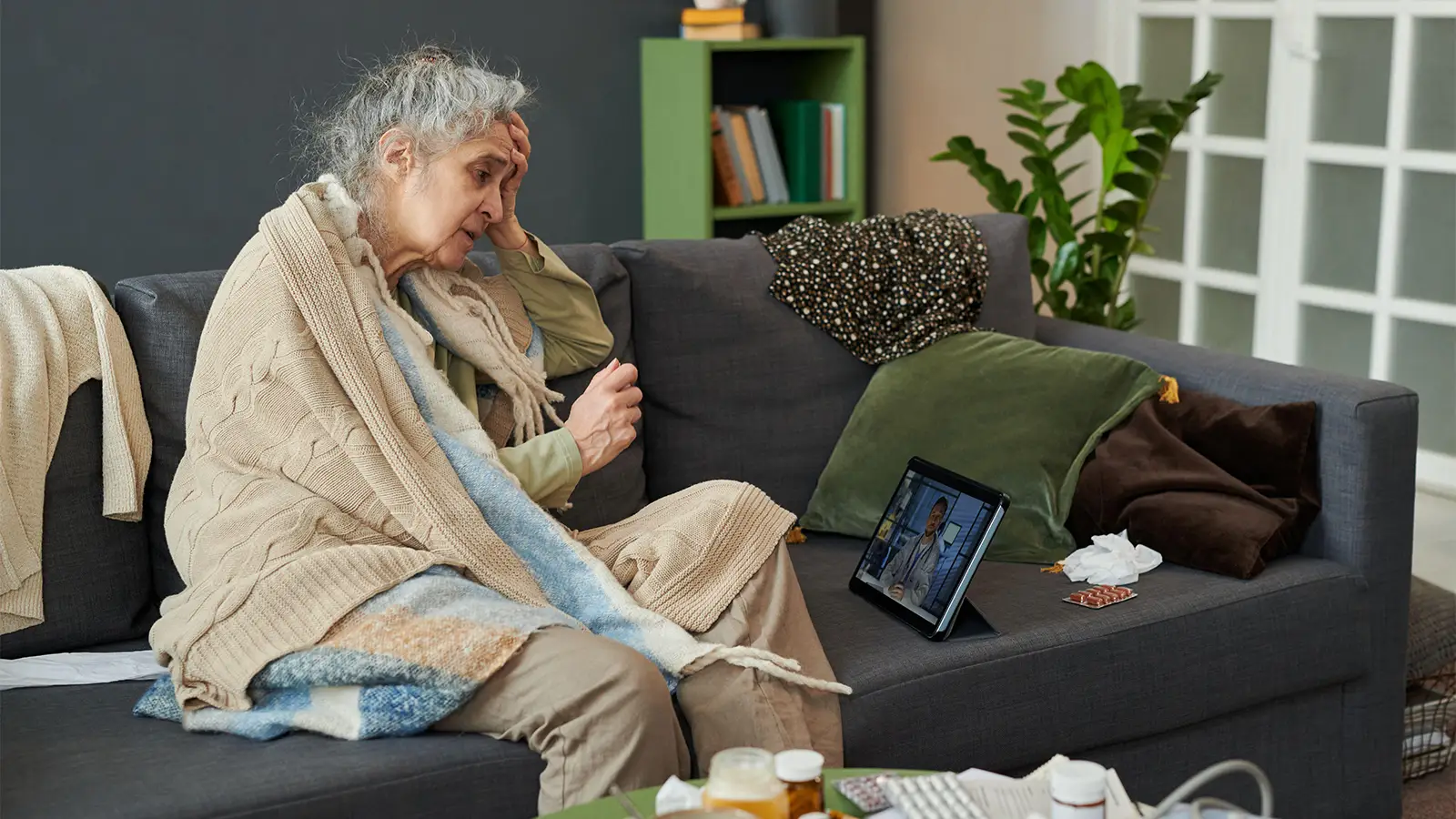
Remote patient monitoring (RPM) programs after hospitalization for sepsis or lower respiratory infection — an approach increasingly reimbursed for by Medicare — didn’t beat usual follow-up care when it came to increasing the number of days patients spent at home after discharge, according to a randomized trial.
At 90 days, the median number of days alive and at home post-discharge was 90 days across study arms, regardless of whether patients were assigned to one of four RPM interventions or to usual care, reported researchers led by Sachin Yende, MD, of the H. John Heinz III Veterans Affairs Medical Center in Pittsburgh.
The lack of effectiveness was consistent across secondary outcomes as well, the study in JAMA Network Open showed.
In fact, “in patients 65 years and older, remote monitoring reduced days spent at home and increased readmission rates compared with usual care,” Yende and co-authors wrote. “These findings suggest that the CMS should reassess the role of remote therapeutic monitoring in reducing readmissions and underscore the value of tailoring remote monitoring in post-acute care for serious infections.”
Sepsis, influenza, and COVID-19 lead to 3 million hospitalizations annually in the U.S., and more than 60% of hospital readmissions are caused by infections and heart and lung disease exacerbations. To cut readmissions, CMS reimburses for remote monitoring telehealth approaches, which grew 10-fold for Medicare beneficiaries from 2019 to 2022.
In the study, the rates for 90-day mortality and hospital readmission were similar across the four RPM arms, with varying levels of monitoring intensity, versus usual care:
- RPM-low standard response: 8.8% and 39.7%
- RPM-high standard response: 5.4% and 44.2%
- RPM-low enhanced response: 6.3% and 37.3%
- RPM-high enhanced response: 8.2% and 36.3%
- Usual care: 6.5% and 37.8%
“Our findings highlight the challenges of implementing and scaling remote monitoring across health systems and among patients recovering from serious illness who are managing complex care needs, including medications, follow-up appointments, and ongoing symptoms,” the researchers wrote.
Yende’s team assessed interventions that used remote therapeutic monitoring to collect health data through smartphone-application questionnaires and text messages to identify signs of clinical deterioration.
The open-label, randomized trial included 1,286 western Pennsylvania patients 21 years or older who had been hospitalized for sepsis or a lower respiratory tract infection, had a smartphone or internet-connected device, had no cognitive impairment, and were at moderate to high risk for hospital readmission based on a predictive model. Patients were insured through traditional fee-for-service Medicare or the UPMC Health Plan.
The trial tested four RPM interventions that combined low-intensity or high-intensity patient questionnaires with either standard or enhanced response teams, while usual care involved care managers or nurses calling patients in the week after discharge to assess their condition and coordinate follow-up care.
In the RPM arms, standard care utilized four remote monitoring nurses who responded to alerts and coordinated care with patients’ clinicians. Enhanced care consisted of two nurses and two certified registered nurse practitioners with palliative care expertise and access to social workers who could diagnose and implement a treatment plan, order and perform diagnostic tests, and deliver other healthcare services.
Median patient age was 63 years, 52% were women, 80% were white, 16% were Black, and 1% were Hispanic. Nearly half of the patients (47%) had been hospitalized for sepsis, 29% for lower respiratory tract infection, and 24% for COVID-19. Median Charlson Comorbidity Index was 6, and 33% had been in the intensive care unit.
Within 30 days after discharge, 79% of the usual-care group had completed a primary care visit, a percentage virtually identical to the rates among the four RPM groups (77% to 81%).
“This level of timely outpatient engagement likely exceeded routine practice and addressed many issues targeted by remote monitoring, making additional benefit difficult to detect,” Yende and colleagues noted.
Study limitations included that the findings were from a single health system, which may limit generalizability. Use of symptom-based monitoring rather than remote physiologic monitoring could limit understanding of patients’ experiences in home-based settings. In addition, engagement with RPM was modest, with only 60% of the 887 patients in the four intervention arms enrolling in remote monitoring.
[ad_2]
Source link : https://www.medpagetoday.com/criticalcare/sepsis/121735
Author :
Publish date : 2026-06-12 17:45:00
Copyright for syndicated content belongs to the linked Source.