A robot child goes missing in Silvia Park’s Luminous, the May read for the New Scientist Book Club
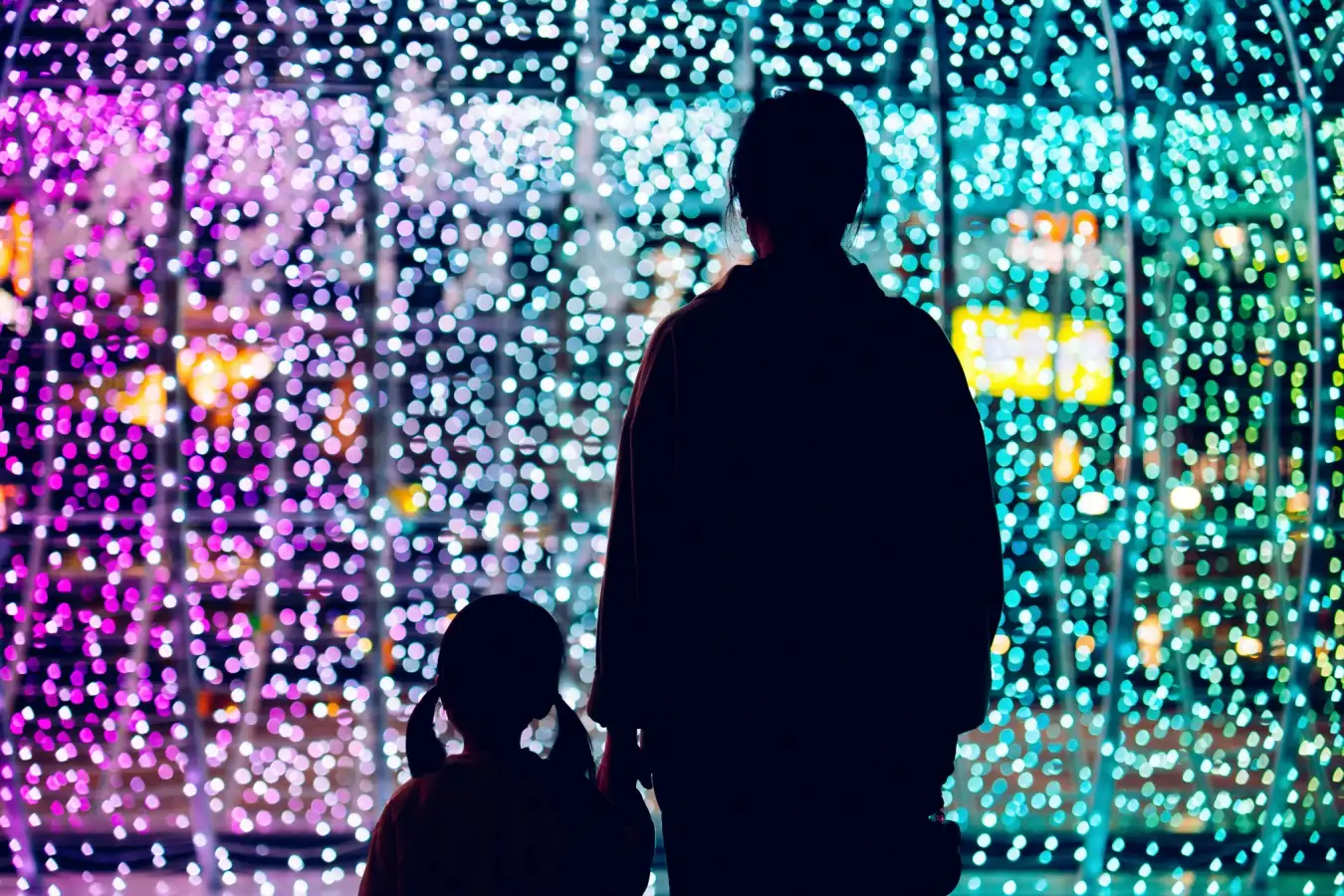
d3sign/Getty Images
In 2024, a joke became a headline: “Dog strollers outsell baby strollers in country with world’s lowest birth rate”.
As our love for pets grows ever refined and luxurious, our ability to have children feels more strained than ever. The usual milestones begin to look like mirages in a world that is economically and environmentally fraught, and increasingly disrupted by AI.
In my acknowledgments for Luminous, I mention that the novel started out as a children’s book. A death in the family changed its course. There was a particularly rough stretch when someone close to me died each year, one after another, three, four years in a row. What I didn’t say is which death started the domino effect.
It was the death of my dog.
Frail, with silky fur and long-lashed eyes, he was the kind of lovely that turned heads. He was also very cranky. He disliked children. But despite his dignified, aloof nature, he used to flop on the floor and wiggle in a dance whenever we came home. It was a different kind of dance that seized him, epileptic and frightful, the first signs of a brain tumour, when we had to let him go.
The death of a pet is inherently confusing. Rationally, we should be prepared for it. When we bring a furry animal into our home, we are signing a kind of social contract. We look them in their soft wet eyes and we should be thinking, I know one day you will die. I will probably outlive you. That’s the natural way of things.
And so we lie to ourselves. That headline reveals how many of us embrace a parental role in caring for these creatures. Fur babies, we call them. Cat dads and dog mums. Yet these strollers are not for babies too young to walk, but ones too old to hobble. And what could be more unnatural than losing something that feels like a child?
It was this unnaturalness that became the starting point for writing about robots, especially as children. In my novel, a robot child goes missing. She’s the “daughter” of an older woman. Later, my protagonist realises that the woman’s deterioration isn’t just that of a grieving mother. She has aged considerably, and lost mobility, because she lost a daughter, yes – but also a housekeeper, a cook, a physical aide. This robot child was essentially a four-in-one bundle deal.
The love we’ll have for these robots one day will be seen as unnatural because a robot is unnatural. Most uncanny of all is that the receptacle for our love, these robots, may not even be real in the first place. But without a doubt, we will love them. We will hate them and abuse them, as we do to so many living things. Yet many people will love them ferociously.
I wanted to focus on that love and grief. How do you grieve what society considers unacceptable? It was difficult to openly mourn a dog all those years ago without hearing “but just get a new one”. Even now, there are jokes on TV about so-and-so taking time off work for a dead cat. Grief is awkward for many. Particularly if it doesn’t go away. We talk about “processing” grief as if it’s a file that needs to be cleared from the queue. The world we live in places a great deal of importance on productivity. If you’re too sad to work, you’re an unproductive member of society. Doubly so if you’re a childless woman who loves cats. The love we’ll have for robot children will be met with this same suspicion.
And how right we are to be wary. How unscrupulous are the companies that peddle this service. How easily emotional labour can be simulated into something intoxicating. Imagine robots that clean and cook for us, robots that take care of us when we are elderly and infirm. How seductive they will be if they can also take the form of a child designed to love you and never leave.
So what if that love might not be real?
Luminous by Silvia Park (Oneworld) is the May 2026 read for the New Scientist Book Club. Sign up to read along with us, and join the discussion on Discord.
Topics:
Source link : https://www.newscientist.com/article/2524931-why-i-explore-our-inevitable-love-for-robots-in-my-novel-luminous/?utm_campaign=RSS%7CNSNS&utm_source=NSNS&utm_medium=RSS&utm_content=home
Author :
Publish date : 2026-05-01 09:35:00
Copyright for syndicated content belongs to the linked Source.