- After 11 infants were exposed to measles at a pediatric clinic in Utah, the state Department of Health and Human Services helped to administer intramuscular immunoglobulin (IMIG) as postexposure prophylaxis (PEP) and ultimately developed a protocol for statewide use amid the ongoing outbreak.
- None of the exposed infants’ parents declined IMIG for their child, there were no serious or localized systemic adverse events observed during administration or reported in follow-up calls with parents, and none of the infants contracted measles during the 21-day monitoring period.
- Findings come as Utah is experiencing the state’s largest measles outbreak in 40 years, researchers noted.
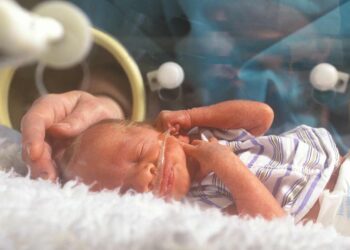
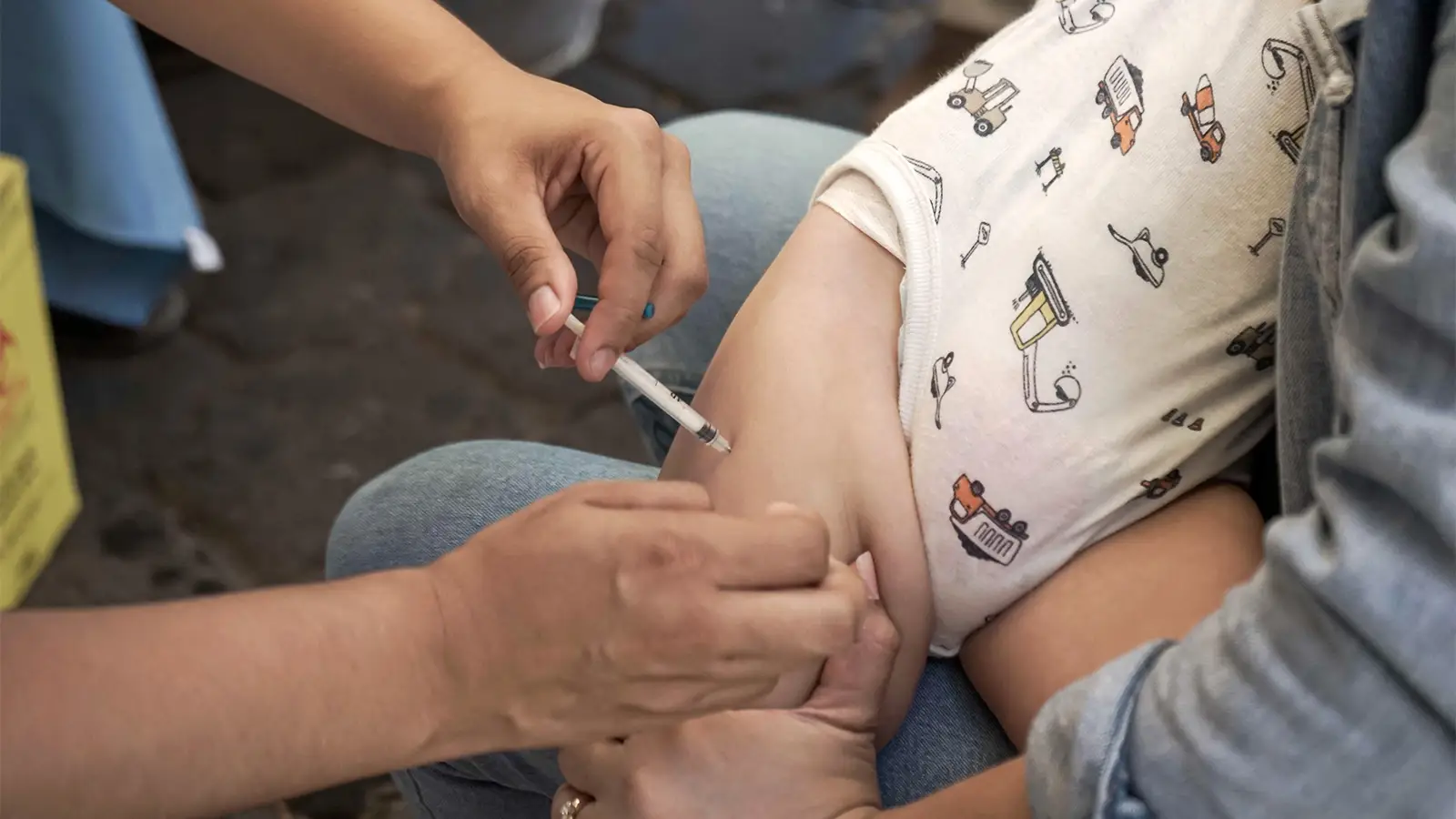
After 11 infants were exposed to measles at a pediatric clinic in Utah, the state Department of Health and Human Services (DHHS) helped administer intramuscular immunoglobulin (IMIG) as postexposure prophylaxis (PEP) and ultimately developed a protocol for statewide use amid the ongoing outbreak.
None of the infants’ parents declined IMIG for their child, and there were no serious or localized systemic adverse events during administration or reported in follow-up calls, reported Anna Jones, MD, of DHHS and the CDC, and colleagues. Notably, none of the infants contracted measles during the 21-day monitoring period.
IMIG administered at a dose of 0.5 ml/kg is an option for prophylaxis in infants following exposure to measles, the research team noted in a Public Health Alert in NEJM Evidence. However, weight-based dosing volumes require multiple or large-volume injections, and clear administration guidelines haven’t been available.
“We really couldn’t find any information publicly available of how people are approaching this,” first author Angela Weil, MSN, of DHHS, told MedPage Today. “So we really were hoping that this would maybe start some conversations.”
The research team’s efforts come as Utah has been experiencing the state’s largest measles outbreak in 40 years, they noted.
In March, MedPage Today reported that Utah had become the new hotspot for measles with a long-simmering outbreak picking up steam after a wrestling tournament. However, it was a large-scale measles exposure at a pediatric clinic last September that spurred DHHS to develop a protocol for infant PEP administration for statewide use.
When DHHS was notified of the measles exposure, it had occurred about 84 hours prior, Jones and colleagues reported. An unvaccinated child with fever, sore throat, cough, and coryza was in the pediatric clinic for more than an hour on the same day they developed a rash, and a diagnosis of measles was confirmed several days later when test results arrived.
“Because of the time that had elapsed since exposure, IMIG was considered the only PEP option,” the research team wrote.
The American Academy of Pediatrics (AAP) recommends PEP for infants less than 12 months of age too young to routinely receive the measles, mumps, and rubella (MMR) vaccine and at risk for severe disease, Jones and colleagues noted. An MMR vaccine can be given as PEP if the infant is at least 6 months old and fewer than 72 hours have passed since the exposure. But IMIG is used otherwise.
Traditional practice points to a maximum of 1 ml volume per vastus lateralis muscle in infants, but data supporting this volume are lacking, the research team noted. Ventrogluteal muscles can be an option in larger infants, with deltoid muscles typically avoided due to insufficient muscle mass. The ventrogluteal muscle is suggested to be used cautiously because it is near the sciatic nerve.
Infants who weigh more than 4 kg need more than 2 ml, they continued. And there is not widely available guidance on how to administer these larger volumes. The AAP recommends a range of volumes, from 1 to 5 ml, “leaving the decision to the professional judgment of the healthcare provider based on an infant’s muscle size,” they added. The most common serious complications of large or inappropriately placed intramuscular injections in kids include muscle contracture and nerve damage.
For the 11 exposed infants, who had a mean weight of 6.7 kg, public health providers administered up to 1.5 ml of IMIG in each vastus lateralis to accommodate total doses up to 3 ml, Jones and colleagues reported. “Administration was more challenging for infants with weights more than 6 kg,” they noted.
Providers gave 3 infants a third injection of up to 1.5 ml in an alternate vastus lateralis site separated 1 inch or more from the original injection, they continued. For 4 infants, providers gave a lower dose (76% to 96% of the total weight-based dose) to avoid an additional injection. And 2 infants weighing more than 8 kg were referred to a local hospital for intravenous immunoglobulin to avoid large-volume intramuscular administration.
After administration in the initial 11 infants, local health departments and healthcare systems reported at least 60 more infants having received IMIG as measles PEP in Utah, Jones and colleagues noted.
Some providers have administered injection volumes up to 2.1 ml in a vastus lateralis muscle, though most have opted to divide total doses of more than 3 ml into 3 or 4 injections of 1.5 ml or less, they added. Third and fourth injections have been given as additional vastus lateralis injections or ventrogluteal injections.
There remain no reports of serious adverse reactions, Jones and colleagues reported. And no providers have reported administering deltoid injections to infants.
Weil noted that her team at DHHS has “really had to work very closely with our local health departments. Our healthcare systems have also really had a lot of challenges in terms of trying to prevent others from getting exposed, getting sick. It’s been a team effort for sure.”
Kristina Fiore contributed reporting to this story.
Source link : https://www.medpagetoday.com/pediatrics/generalpediatrics/121378
Author :
Publish date : 2026-05-20 20:38:00
Copyright for syndicated content belongs to the linked Source.