At the recent American Academy of Dermatology (AAD) annual meeting, new phase III data from the LATITUDE-PsO-3001 and PsO-3002 trials showed that once-daily oral zasocitinib delivered rapid and durable skin clearance in adults with moderate-to-severe plaque psoriasis.
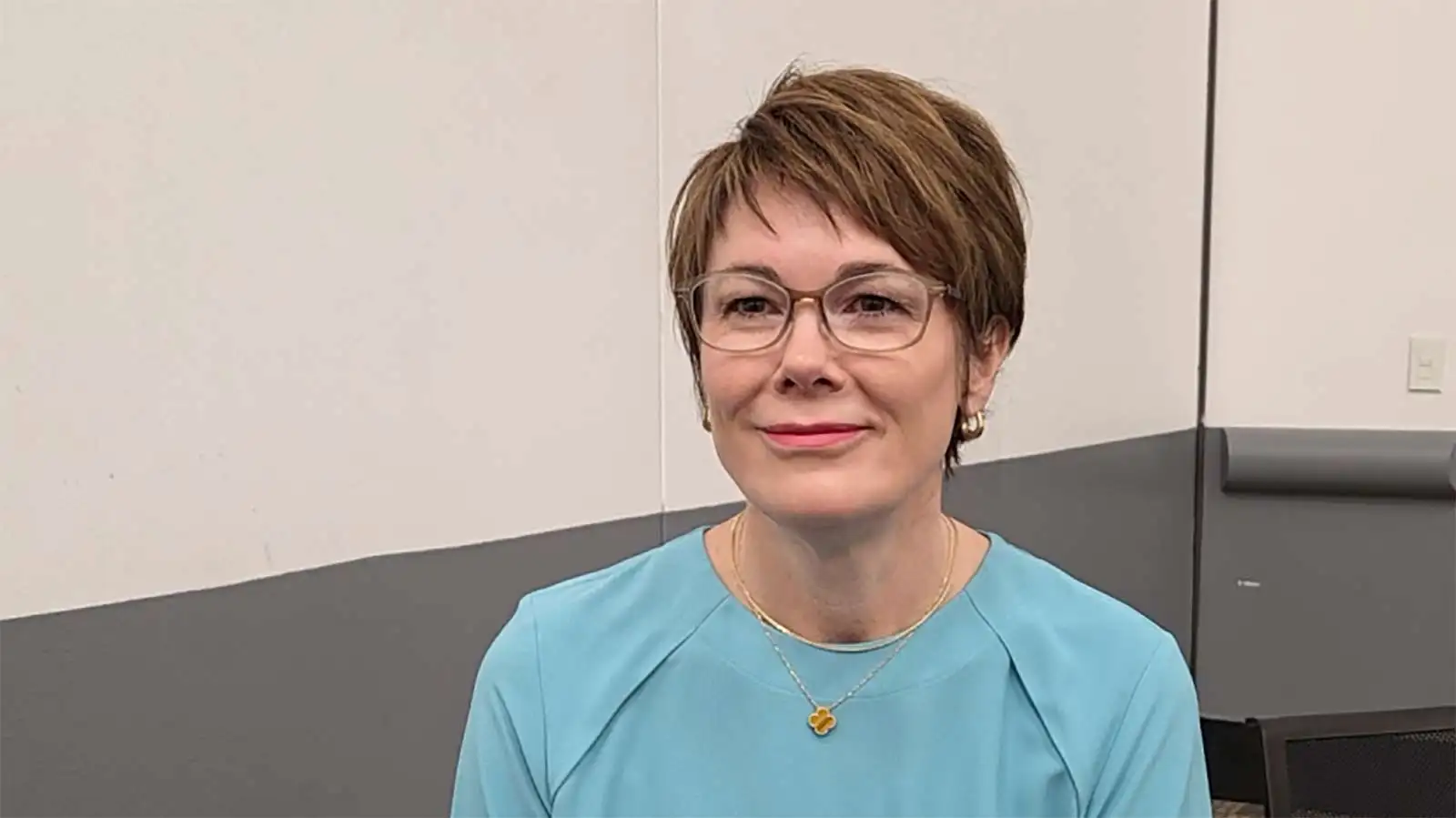
In this exclusive MedPage Today video, Melinda Gooderham, MD, of the SKiN Centre for Dermatology in Peterborough, Ontario, discusses the 24-week findings and what they could mean for the future of oral psoriasis therapy.
Following is a transcript of her remarks:
I was at the AAD 2026 in Denver presenting the phase III data for zasocitinib in moderate-to-severe plaque psoriasis — that’s the LATITUDE program, so LATITUDE-PsO-3001 and 3002.
These were two phase III pivotal trials looking at zasocitinib in moderate-to-severe plaque psoriasis. It was a placebo-controlled and active comparator-controlled study, the active comparator being apremilast [Otezla]. So what we presented at the AAD late-breaking session was up to week 24 data.
So the primary endpoint was at week 16 with co-primary endpoints of PASI [psoriasis area and severity index] 75 and static Physician Global Assessment (or sPGA) 0/1, which is clear/almost clear skin. That was at week 16, but then we presented out to week 24. We also shared the randomized withdrawal data from week 40 to week 60 because everybody wants to know what happens in long term or if you’re stopping a medication.
So the co-primary endpoints of sPGA 0/1 or clear/almost clear: By week 16, the zasocitinib patients, seven out of 10 patients receiving zasocitinib were able to achieve clear/almost clear skin compared to three out of 10 patients receiving apremilast, and one out of 10 on placebo. So a good proportion of patients achieving that PASI 75, but what we also saw in the 3002 study, an early response.
There was a prespecified secondary endpoint of PASI 75 at week 4; 17% of patients on zasocitinib achieved a PASI 75 as early as week 4 compared to only 4% on placebo. But I think what stood out to me most was the proportion of patients with completely clear skin because that is our ultimate goal and target for our psoriasis patients. And by week 16, about a third of patients receiving zasocitinib were able to achieve clear skin. And by week 24, it was up to four out of 10 patients with clear skin.
And I think that’s relevant because that is the level that we see with some of our biologics. And so up to this point, biologics were the best treatments we had for patients, and when we were to choose an oral therapy, there was always a bit of a trade off in efficacy. And now we’re able to offer — well, if this medication gets approved — we’ll be able to offer an oral option to our patients, providing the same level of efficacy as some of our biologics. So I think that’s really an advancement in the oral therapy space.
Zasocitinib, which is a potent and highly selective TYK2 inhibitor would be a good option for some of our patients who are looking for an oral therapy. There are some issues that come with the biologic injectable therapies such as maintenance of the cold chain for delivery.
Some people just prefer to not have an injection. There are issues with injection site reactions, antibody production. So patients who travel a lot for work or maybe they’re retired and they want to go away for extended periods, it’s hard to manage how you deal with these injections. So an oral therapy would be excellent for that type of patient.
Source link : https://www.medpagetoday.com/meetingcoverage/aadvideopearls/120884
Author :
Publish date : 2026-04-21 18:20:00
Copyright for syndicated content belongs to the linked Source.