
- Lack of access to molecular testing in regions with high tuberculosis burden can slow diagnosis and treatment.
- The sensitivity and specificity of the MiniDock MTB test was 85.7% and 97.6% with sputum swabs, and 79.6% and 99.5% with tongue swabs, in a prospective study.
- Among participants with tuberculosis, MiniDock MTB’s sputum-sample sensitivity was similar to that of the Xpert Ultra polymerase chain reaction assay and better than sputum-smear microscopy.
A portable tuberculosis (TB) molecular test system that works with sputum or tongue swabs matched the diagnostic accuracy of established TB tests and met World Health Organization (WHO) targets for near-point-of-care TB diagnostic tools, according to an international prospective study.
Among nearly 1,400 participants in seven countries with high TB burden, the sensitivity and specificity of the MiniDock MTB test was 85.7% and 97.6% with sputum swabs, and 79.6% and 99.5% with tongue swabs, reported Adithya Cattamanchi, MD, MPH, of the University of California Irvine, and colleagues in the New England Journal of Medicine.
Among participants with TB, MiniDock MTB’s sputum-sample sensitivity was similar to that of the Xpert MTB/RIF Ultra polymerase chain reaction assay (86.7% vs 89.4%) and better than sputum-smear microscopy (62.4%). Among those without TB, MiniDock MTB’s sputum-sample specificity was 97.9% compared with 99.0% with the Xpert Ultra and 99.8% with sputum-smear microscopy.
The WHO’s targets for near-point-of-care TB diagnostics are ≥85% sensitivity with sputum samples, ≥75% sensitivity with nonsputum samples, and ≥98% specificity for both. “This is the first large-scale multinational trial to demonstrate that a purpose-built swab test can meet those thresholds consistently across diverse clinical and geographic contexts,” Cattamanchi told MedPage Today.
“MiniDock MTB with sputum performs on par with Xpert Ultra, the current molecular standard, at a fraction of the cost and infrastructure requirement,” Cattamanchi explained. “That alone makes it a meaningful alternative for settings that currently have no molecular testing.”
Lower Costs, and No Sputum Required
In people with suspected TB, the WHO recommends rapid diagnostic tests, with a recent recommendation backing the MiniDock MTB test. The costs of WHO-recommended molecular testing platforms can reach more than $10,000 per device and depend on centralized laboratory infrastructure. Lack of access to molecular testing in regions with high TB burden can slow diagnosis, Cattamanchi noted.
Traditional molecular tests also rely on sputum samples, but an estimated 11% to 43% of adults with TB can’t expectorate spontaneously, Cattamanchi said. “When someone can’t produce sputum or presents to a peripheral clinic with no molecular testing, they frequently leave without a diagnosis.”
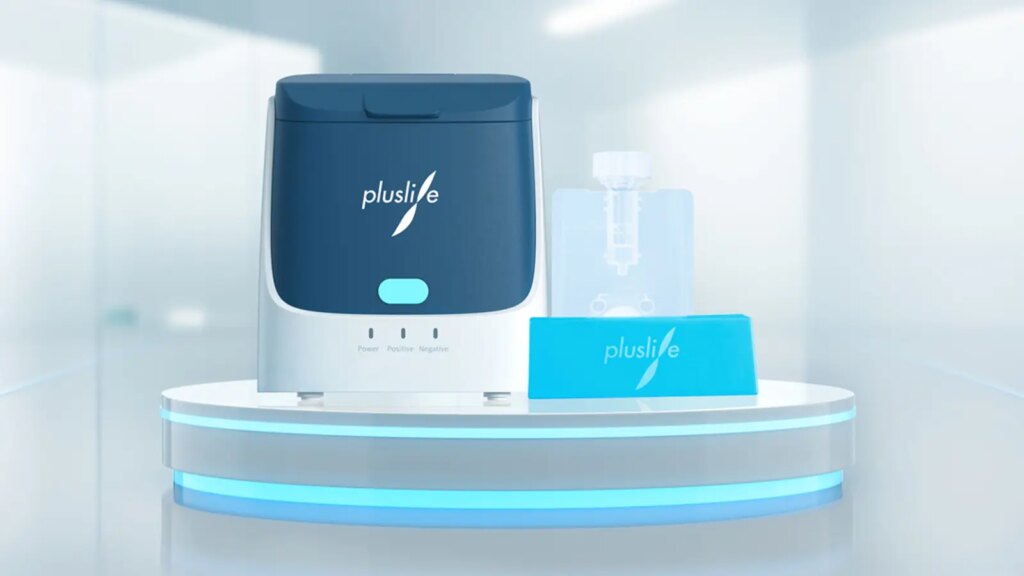
The portable, battery-powered MiniDock MTB test was built for use with sputum or tongue swabs in peripheral and decentralized settings, he noted. The device costs less than $400, requires no laboratory infrastructure, and delivers results in 12 to 25 minutes.
Paucibacillary Disease Remains a Challenge
The MiniDock MTB test delivered lower sensitivity in people with low mycobacterial burden, including those with HIV or smear-negative TB. Tongue-swab sensitivity dropped to 53.4% in smear-negative participants, compared with 96.4% among those who were smear-positive.
“Paucibacillary disease is the central unsolved challenge in TB diagnostics, and MiniDock MTB does not fully solve it,” Cattamanchi cautioned. “Smear-negative TB accounts for a substantial fraction of the overall case burden globally, and this group has historically been the hardest to diagnose and the most likely to be missed.”
Among 18 healthcare workers who evaluated the tool’s usability, the MiniDock MTB workflow earned a median score of 75 on the system usability scale (range 0 to 100, with higher scores indicating better perceived usability). The workers completed more than 90% of the core procedural steps successfully, and 17 of 18 workers graded the system as acceptable. Those usability experiences “matter enormously for decentralized deployment,” Cattamanchi said. “A test that requires extensive training or troubleshooting will not scale.”
Study Details
For this study, the researchers assessed the MiniDock MTB test’s diagnostic accuracy and usability in outpatient clinics in India, Nigeria, the Philippines, South Africa, Uganda, Vietnam, and Zambia. Assessed against a microbiologic reference standard, MiniDock MTB was compared with sputum-smear microscopy and sputum testing with the Xpert MTB/RIF Ultra assay. Usability assessment was done by healthcare workers at the clinics who conducted simulated-use tests.
Study participants were ages 12 years and older and had either a new or worsening cough lasting at least 2 weeks, or at least one TB risk factor combined with a positive WHO-recommended TB screening test (defined by an abnormal chest radiograph or, for people living with HIV, a C-reactive protein level of >5 mg/L). Clinic workers collected tongue swabs followed by sputum samples from participants.
The researchers collected 1,380 samples from 1,383 participants, 43.7% of whom were female. Median participant age was 41 years. Of the participants, 18.5% had HIV, and 13.6% had diabetes. Based on the microbiologic reference standard, 16.4% of participants had TB, with prevalence lowest in India (4.8%) and highest in Nigeria (28.1%).
The study was conducted in controlled conditions, which could inflate accuracy estimates. An imperfect reference standard may have affected specificity estimates, particularly in those with lower mycobacterial loads. Some subgroups may have been underrepresented in the study, which limited the precision of subgroup-specific estimates.
Please enable JavaScript to view the comments powered by Disqus.
Source link : https://www.medpagetoday.com/infectiousdisease/tuberculosis/121028
Author :
Publish date : 2026-04-29 21:00:00
Copyright for syndicated content belongs to the linked Source.