Alongside many others, it is my mission to improve the health and well-being of those who are most vulnerable: kids. As a pain scientist, I am committed to continuing to support youth and specifically, children afflicted with chronic painful conditions. Yet, this has become increasingly difficult.
It was already an extremely competitive process to receive federal funding, and yet, inexplicably, the number and dollar amount of federally funded grants has significantly diminished since President Trump took office; thousands of federal grants have been frozen or cancelled altogether. Scientists are flooding foundational sources for support, making the competition for these limited funds all but out of reach. Furthermore, an estimated 25,000 federal workers left or were removed from their scientific agencies, many of whom were women in their early careers. It is no surprise we are seeing an exodus of early career scientists from our own research labs as well. In this current federal climate, the risks do not outweigh the benefits for many scientists.
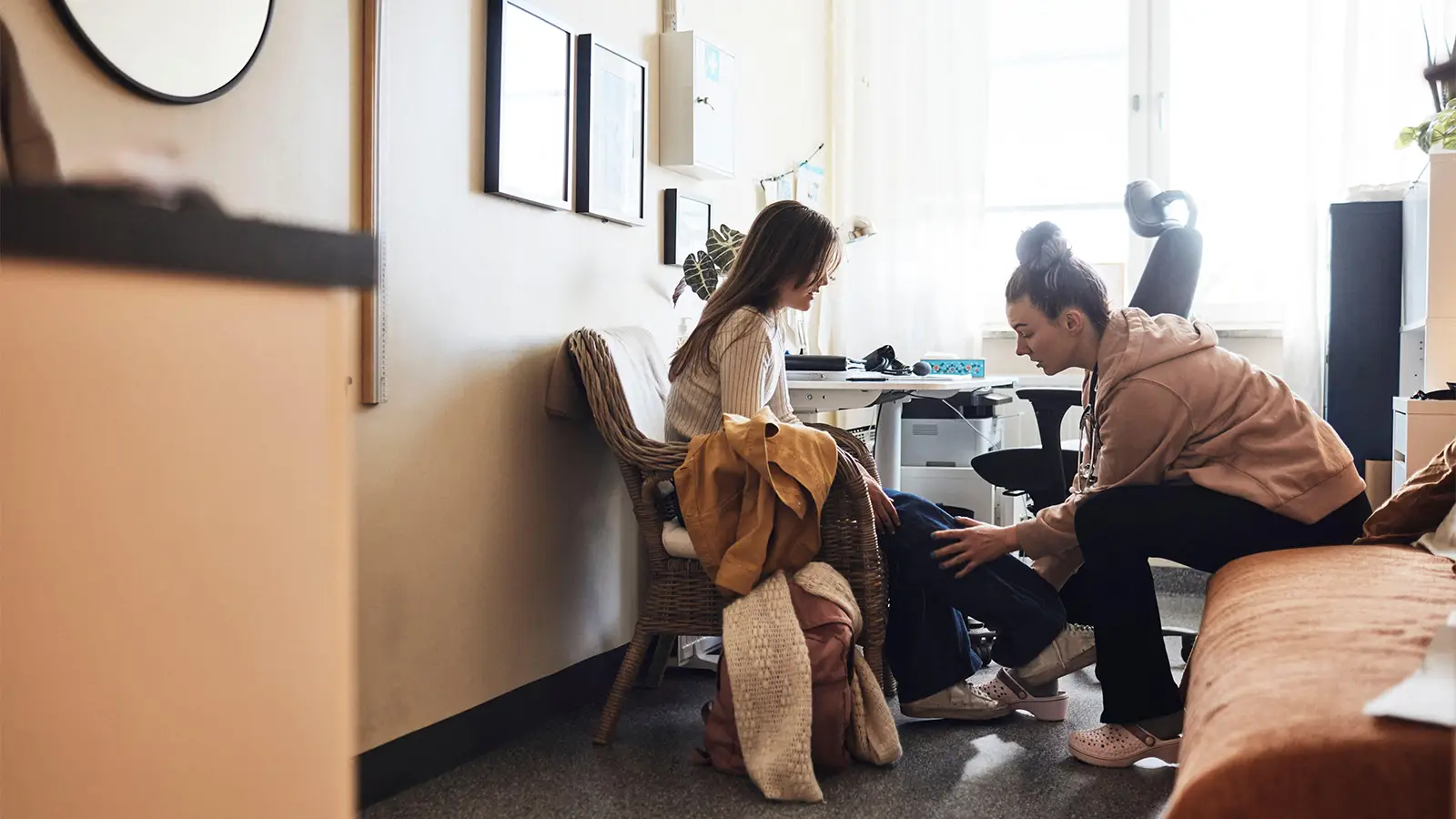
And yet, many people in our communities are suffering. People who rely on advancements in their care made possible by science. Consider a child I’ll call Johnny, who was once a thriving popular middle schooler, and a starter on his basketball team. That is, until he began to experience debilitating chronic abdominal pain. He stopped playing basketball, missed large stretches of school, and fell behind academically. On the days he did attend, he spent hours in his school nurse’s office, in just as much emotional pain as physical discomfort.
As a pediatric pain psychologist, I know there are many children out there like Johnny.
One in five children live with chronic pain such as persistent abdominal pain, headaches, or musculoskeletal pain. These young people miss school and opportunities with friends, and are at greater risk of long-term mental health and physical health challenges and substance use disorders. While effective non-pharmacological treatments such as cognitive behavioral therapy (CBT) for pain exist, few children receive them.
The attacks on science are not helping. Even in instances where researchers like myself developed effective care solutions to manage chronic pain in kids, we need to build the workforce and infrastructure to get them into the hands of kids who need them. Many children live far from large medical centers that provide these sorts of treatments, and waitlists for such programs, even when located nearby, are lengthy.
The solution may be as close as our own backyard. Schools are one of our easiest yet most underutilized entry points for addressing chronic pain. School providers, such as school nurses and mental health professionals, regularly see students with chronic pain. They have relationships with students and can provide training in pain-management strategies children can use at home, at school, or on the ball court. Trusted adults can help keep kids engaged in care.
We know this approach works because we’ve done it. Over the past several years, my team has partnered with organizations across my home state of Michigan to train school nurses and school mental health professionals in evidence-based, nonpharmacological pain management strategies. These include training in cognitive strategies, like re-framing negative thoughts about pain, and behavioral strategies like relaxation training or activity pacing to avoid pain flares. Following our trainings, different disciplines can work together to better support youth. We need policy-level changes to expand this work so more students can benefit.
To be sure, there are challenges. Provider shortages are one. In Michigan, where I am from, there is only one nurse for every 2,100 students. Meanwhile, the funding supporting mental health counselors in schools is dwindling. Investing in chronic pain care for kids pays off, with fewer kids missing school, more parents able to work, and more of the next generation successfully graduating and growing to be healthy and resilient adults.
Despite promising results, we need a sustainable approach to ensure that school nurses and mental health providers are available and receive standardized training in effective, non-pharmacological pain management approaches. Requiring school nurses and school mental health counselors in every school would ensure all children receive access to care. Sadly, this is not the current standard of care in many places. Less than half of all schools in the U.S. have a full-time school nurse. Standardized provider trainings that can span disciplines would expand the reach of evidence-based treatment for pain and other common mental health concerns. Establishment of reimbursement mechanisms would also allow pain management services provided by school staff to become feasible and sustainable.
Johnny and other kids like him deserve to live life to its fullest. We have the tools to make that a reality. Now we need to put them into action.
Source link : https://www.medpagetoday.com/opinion/second-opinions/121288
Author :
Publish date : 2026-05-17 16:00:00
Copyright for syndicated content belongs to the linked Source.