[ad_1]
On June 11, the largest FIFA World Cup in history kicks off across 16 cities in the U.S. (11 cities), Canada, and Mexico. Over 5 million fans from around the globe will pack stadiums, fan zones, and city streets through mid-July.
For the emergency departments (EDs) in and around those host cities, the tournament is not a month of soccer. It is a month of sustained operational stress across nearly every category of acute illness and injury a clinician can encounter. The point is not panic. The point is preparedness.
Past mass gatherings make one thing clear: the medical burden is rarely defined by a single exotic threat. It is cumulative — trauma; heat; alcohol and drugs; cardiac events; behavioral health crises; infectious disease; and the everyday emergencies that do not pause because a tournament is underway. The same triage nurse who flags a possible measles case may also be managing heat exhaustion, chest pain, an overdose, and a trauma patient within the same hour. Effective World Cup planning is all-hazards planning.
Heat Will Be the Most Reliable Driver of Volume
Most matches fall during a time when the summer temperature is picking up and reaching the hottest stretch of the year in the U.S. An NPR analysis found that more than one-third of World Cup matches are at high risk for dangerously hot, humid conditions, and dozens of other matches come with moderate heat risk. That means delayed trains, a long security queue, or a packed outdoor viewing area can convert a comfortable afternoon into a wave of heat exhaustion and heat stroke.
Children, older fans, and people on common cardiac and psychiatric medications are disproportionately vulnerable. Emergency departments should anticipate the need for cooling capacity, IV rehydration, and rapid heat-illness pathways before opening weekend — not improvise them during the first 100° day.
Trauma and the Physics of Crowds
Large, energized crowds generate predictable injury patterns: falls, lacerations, fractures, and assault. The most feared is crowd crush. As the 1989 Hillsborough disaster in England and the 2021 Astroworld tragedy demonstrated, the lethal mechanism is usually compression asphyxia — not trampling — in a dense, surging crowd, and it can produce dozens of critical patients from a single venue in minutes.
EDs near stadiums and fan zones should rehearse mass-casualty triage specifically for this scenario and confirm that surge capability, availability of blood, and transport plans can absorb a sudden multi-casualty influx.
Alcohol, Drugs, and Behavioral Health
The festival atmosphere reliably produces acute intoxication, overdose, withdrawal, and alcohol-fueled trauma and interpersonal violence — presentations that consume beds, staff, and security resources out of proportion to their numbers. Behavioral health emergencies rise alongside them, amplified by crowds, heat, sleep disruption, and substance use.
It’s easy to underestimate the numbers of these types of patients and especially difficult to manage when the department is already full.
Cardiac Events and the Emotion of the Match
One well-documented mass-gathering phenomenon is that the matches themselves can provoke an increase in cardiovascular events related to emotional stress, compounded for those with preexisting cardiac disease. In a landmark New England Journal of Medicine analysis of the 2006 World Cup in Germany, acute cardiac events more than doubled in the population on days the host nation played, peaking in the hours during high-stakes games.
EDs should anticipate clustered spikes in myocardial infarction, arrhythmias, and sudden cardiac arrest timed to all matches — particularly among older spectators — and ensure cath lab and resuscitation capacity accordingly.
Infectious Disease: One Layer, Not the Whole Picture
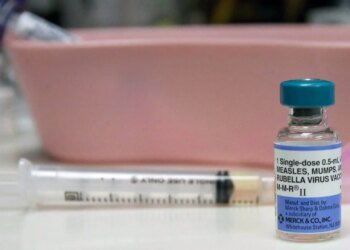
Crowds drawn from dozens of countries with varying vaccination rates certainly elevate the infectious disease stakes. The most likely pathogens are familiar: measles (New York has already recorded 12 cases in 2026); influenza and other respiratory viruses; foodborne and gastrointestinal clusters from high-volume vendors and fan festivals; and dengue and other arboviruses in arriving travelers.
The two headline outbreaks — Bundibugyo Ebola in the Democratic Republic of Congo and Uganda, and the Andes hantavirus cluster tied to the MV Hondius cruise ship — should sharpen preparedness, not distort risk. Ebola is not airborne and requires direct contact with the bodily fluids of a symptomatic person. Meanwhile, the CDC has called the risk of broad hantavirus spread in the U.S. extremely low.
The more realistic concern is the individual traveler who is missed during airport screening and later walks into an ED or urgent care. That makes the hospital front-door fundamentals essential: a high index of suspicion, consistent travel and exposure questions, rapid masking and isolation, accessible personal protective equipment, and after-hours public-health notification pathways that work across jurisdictions.
Security and Mass-Casualty Threats
All the matches will require extensive security, but the semifinals, the bronze final, and the championship final are likely the highest-tier security events. EDs must hold space in their mass casualty planning for the low-probability, high-consequence scenario: a blast, vehicle, or acute threat event near a venue. The institutions that fare best will have rehearsed activation, blood, and surge protocols rather than implementing them for the first time as a critical situation unfolds.
The System Underneath
None of this works without baseline capacity, and the baseline is uneven. A recent Trust for America’s Health report found that fewer than half of states are adequately prepared for a public health emergency. Of the 10 states hosting matches, only five scored in the top tier, and Texas — home to the Dallas and Houston venues — scored in the lowest tier.
Federal partners are leaning in: the HHS Administration for Strategic Preparedness and Response is working with local and regional teams in every host city, and last summer ran a viral-hemorrhagic-fever transfer simulation in New York. Local readiness must extend that work through surge capacity, cross-trained staff, interpreters, laboratory pathways, pediatric and obstetric care, continuity of dialysis and specialty services, communications resilience, and plans for concurrent disasters — storms, power failures, wildfire smoke, transportation failure — that may arrive on top of everything else.
The Bottom Line
America is preparing for a sporting event unprecedented in its size and scale, and the margin for error is thin. The lesson across heat-related illness, crowd crush, cardiac emergencies, intoxication, behavioral health, security threats, and infectious disease is the same: preparedness must be layered, practiced, and operational. Critically, it must be established before the crowds arrive, not assembled during the first surge.
The World Cup will be remembered for what happens on the field. For emergency departments, success will be measured by what the public never sees: the quiet competence of systems that detect risk early, protect healthcare workers and the public, and keep hospitals functioning, allowing millions of people to gather safely.
[ad_2]
Source link : https://www.medpagetoday.com/opinion/second-opinions/121617
Author :
Publish date : 2026-06-05 16:25:00
Copyright for syndicated content belongs to the linked Source.