[ad_1]
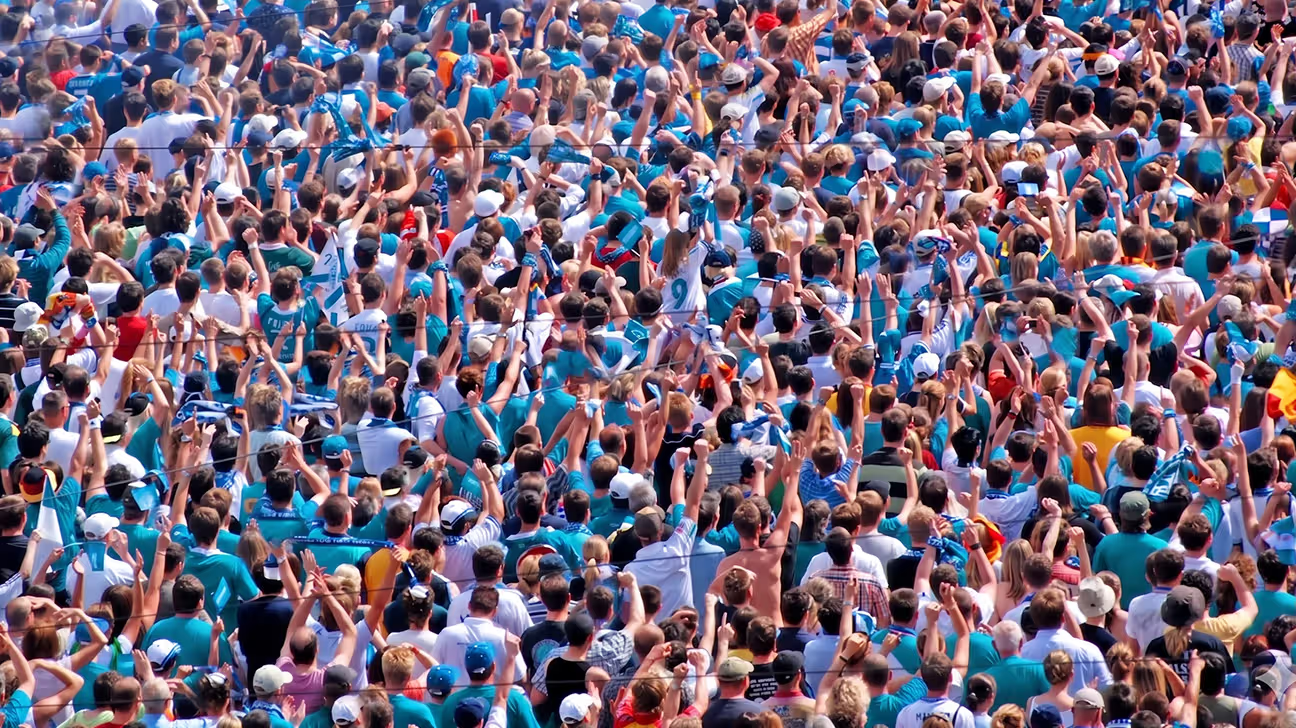
- Public health experts are concerned that the 2026 FIFA World Cup may test the public health playbook.
- While Ebola and measles may not pose a high risk for these games, the spread of other respiratory illnesses is possible, as are heat-related illnesses.
- The CDC and other government agencies are putting plans in place to help protect people from health concerns.
- There are steps you can take to protect yourself from infectious diseases and other health issues while attending World Cup games this summer.
The FIFA World Cup kicks off on June 11 and is expected to draw millions of spectators to North America.
The international tournament is hosted by 16 cities across the United States, Canada, and Mexico and runs through July 19. Fans can expect 104 games from 48 teams, with the opening match featuring Mexico vs. South Africa in Estadio Azteca in Mexico City.
There is generally a well-established “playbook” for protecting the public’s health during mass events like this. However, there are also broader circumstances this year that experts believe could put that playbook to the test.
With any
Despite concerns over Ebola and hantavirus, experts say it’s unlikely these rare diseases would circulate during the World Cup.
In past tournaments, heat-related illnesses posed the greatest threat during matches, which typically take place outdoors in the summer months. Of course, there’s also the risk of mosquito bites, which is more of a nuisance than anything else.
“The most common issue was heat-related illness, with falls, diabetes, seizures, and chest pain also noteworthy,” said William Schaffner, MD, professor of medicine, health policy, and infectious diseases at Vanderbilt University.
“A fundamental concept is preparation — planning by all the relevant agencies. We have done this well before and ought to be able to manage the World Cup events also,” he told Healthline.
The current Ebola outbreak in the Democratic Republic of Congo and Uganda poses a global health concern.
The
“The risk of importing Ebola is very low. If such should occur, with heightened awareness, the patient should be diagnosed promptly and can be cared for safely by U.S. hospitals and personnel using rigorous infection control procedures,” said Schaffner.
“Remember, Ebola does not spread readily, in contrast to influenza and COVID.”
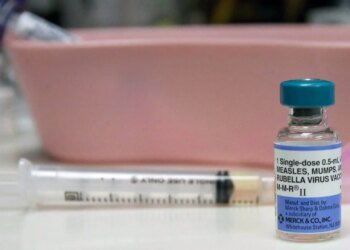
Another potential concern is measles amid recent surges in across the United States, Canada, and Mexico.
However, experts say the risk of measles during the games remains low. “It is possible that there could be importations of measles or other vaccine-preventable illnesses,” Schaffner said.
“Given the less-than-optimal vaccination rates in the U.S., there could be limited spread to unvaccinated persons. This would be detected quickly and would evoke a public health response. Again, the risk of this happening is low.”
Government organizations, such as the Centers for Disease Control and Prevention (CDC), are working hard to plan for and mitigate potential health risks during the World Cup.
“CDC is actively engaged in World Cup preparedness as part of the federal coordination structure led by the White House FIFA World Cup 2026 Task Force,” a CDC spokesperson told Healthline. “As part of HHS, CDC is regularly engaging with public health departments in host cities, other federal agencies, and partner organizations.”
“At U.S. ports of entry,
The CDC has also developed a dedicated World Cup data dashboard (currently in final development) to provide state and local health departments with enhanced visibility into disease trends within and beyond their jurisdictions.
You can also visit the CDC
Healthline contacted WHO for more information on how it is preparing for the World Cup. However, we have not received a response. The
To protect your health before and after the World Cup games, you can follow these tips:
- Stay informed: Check travel advisories and protocols at the stadiums.
- Prepare for risks: Be sure your vaccinations are up to date and speak with a healthcare professional about any concerns you may have.
- Practice safe, healthy hygiene habits: Wash your hands frequently, take any necessary medications, avoid touching your face, and ensure the food and water you consume are safe.
- Monitor yourself and your loved ones for symptoms: After the games, be sure to watch for signs of illness, such as fever, cough, diarrhea, or changes in mood. If you experience any symptoms, contact a healthcare professional.
“Enjoy the World Cup games,” Schaffner said. “If you are in a high risk group (age 65 and older, anyone with a chronic medical condition, and those who are immunocompromised or pregnant), consider wearing a well-fitted mask if you attend crowded events. Of course, if you develop symptoms, seek medical care promptly.”
[ad_2]
Source link : https://www.healthline.com/health-news/2026-fifa-world-cup-health-risks-protect-yourself
Author :
Publish date : 2026-06-05 08:10:41
Copyright for syndicated content belongs to the linked Source.