[ad_1]
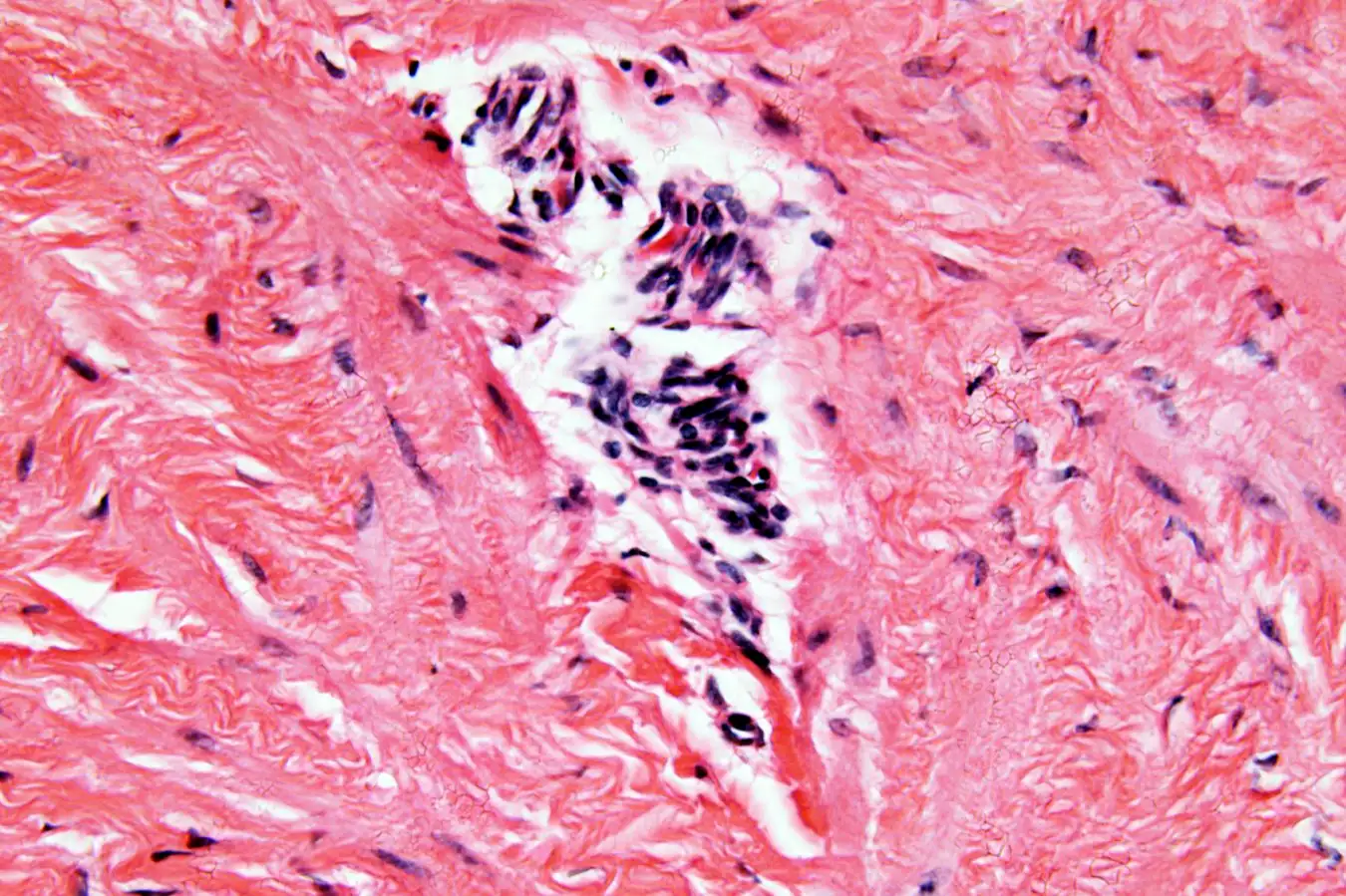
Light micrograph of a section through an ovary showing cysts caused by endometriosis
SCIENCE PHOTO LIBRARY
A huge study into the biology of endometriosis has revealed new mechanisms by which it may cause its severe and wide-ranging effects on health, paving the way for improved treatments. The work, which included data from more than a million women, is also the first to identify specific genes linked to endometriosis in people of African ancestry, a group that has historically been under-represented in research on the condition.
“We were able to pinpoint around 300 genes that are going to be really exciting for the field to focus on,” says Shefali Setia-Verma at the University of Pennsylvania.
Endometriosis is a chronic, often debilitating condition in which tissue similar to the lining of the uterus grows elsewhere in the body, forming lesions. It affects around 10 per cent of women of reproductive age and can cause fatigue, severe pain and fertility problems. It has also been linked with cardiovascular disease, but the biological mechanisms behind this association have remained unclear.
To investigate, Setia-Verma and her colleagues took a “multi-omics” approach, combining analyses of genes, proteins, the microbiome and endometriosis symptoms to build a holistic view of the condition. They analysed data from 14 global biobanks, which together hold information about more than a million women.
Their initial analyses identified 58 areas of the genome associated with endometriosis, 27 of which were previously unrecognised. A deeper analysis pinpointed 314 genes linked to its development. Importantly, the study uncovered three genetic regions associated with endometriosis that were detected only by analysing the genomes of people with African ancestry.
Many of the genes most strongly linked to endometriosis were involved in the immune system, inflammation and cell movement. The last of these is particularly intriguing because endometriosis involves cells growing where they shouldn’t. This suggests that the condition may not simply be about tissue growing in the wrong location, but about the biological process that allows cells to move. “That is really interesting, because we may be able to find treatments that target that movement,” says Setia-Verma.
The links with inflammation and the immune system may also explain why endometriosis can have effects beyond the lesions themselves, such as cardiovascular disease, but also arthritis and depression. In some people, the condition may involve systemic inflammation that goes untreated for years, says Setia-Verma. In the UK, for instance, it takes more than nine years, on average, to receive a diagnosis. “Those years of untreated pain and inflammation can lead to many long-term conditions,” she says.
The findings have implications for treatments, too. Endometriosis therapies tend to focus on hormonal pathways, since oestrogen makes lesions grow, bleed and inflame the surrounding tissues. But if inflammation is a driver of symptoms and wider health problems, then we might want to target inflammatory pathways with existing drugs, says Setia-Verma.
The team also identified genes and proteins linked with endometriosis and cardiovascular disease, and the regulation of cholesterol and fats in the blood. “It’s essentially saying that endometriosis may be associated with a higher risk for cardiovascular conditions,” says Setia-Verma.
Another intriguing finding was that people with endometriosis tend to have lower levels of Bifidobacteriaceae, bacteria involved in maintaining the gut lining and supporting the immune system. “It gives us an understanding of how endometriosis contributes to broader systemic disease risk beyond reproductive health,” says Setia-Verma. Microbiologists can now look more closely at the role Bifidobacteriaceae bacteria play in the condition, potentially using it as a target for new treatments, she says.
One strength of the study is that it includes participants from multiple ancestry groups, says Nilufer Rahmioglu at the University of Oxford. This matters because the vast majority of endometriosis research has been conducted in populations of European ancestry, limiting how much the findings can be generalised and contributing to broader disparities in women’s health research. “These efforts are an important step towards ensuring that advances in endometriosis research benefit all populations,” says Rahmioglu.
But she adds that further research is needed before we can draw firm conclusions. “While studies of this type can identify biological pathways and traits that warrant further investigation, they do not by themselves establish that targeting these pathways will improve outcomes for patients. Further replications are needed.”
Topics:
[ad_2]
Source link : https://www.newscientist.com/article/2529403-unpicking-endometriosis-reveals-how-it-affects-more-than-the-pelvis/?utm_campaign=RSS%7CNSNS&utm_source=NSNS&utm_medium=RSS&utm_content=home
Author :
Publish date : 2026-06-08 12:00:00
Copyright for syndicated content belongs to the linked Source.