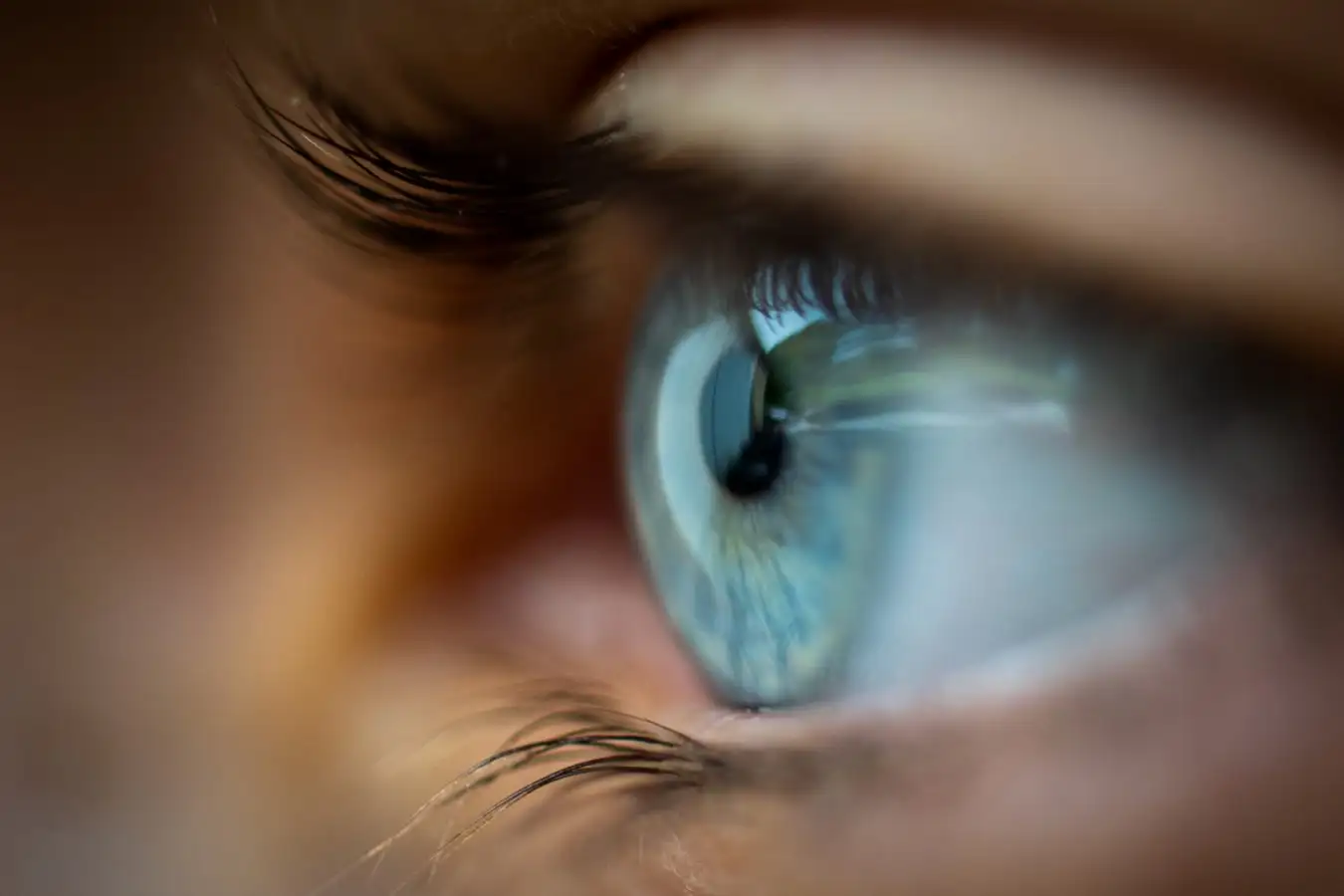
Dozens of people with glaucoma-like symptoms have tested positive for a virus that we thought affected only marine life
Virginie Vaes/Getty Images
A virus that ordinarily affects marine animals has caused glaucoma-like symptoms and even irreversible vision loss in a small but growing group of people in China. This is the first known time that a virus that originates from aquatic animals has infected people and caused ill health. The cases are thought to have developed after eating raw seafood and handling aquatic animals, but there are also signs of human-to-human transmission.
“That this virus can infect invertebrates, fish and mammals is pretty remarkable,” says Edward Holmes at the University of Sydney, Australia. “I can’t think of a virus with such a broad host range.”
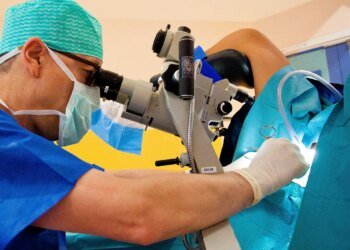
Cases of a condition called persistent ocular hypertension viral anterior uveitis (POH-VAU) have been increasing in China, with no clear cause. It is defined as inflammation and high pressure within the eye, similar to glaucoma, which damages the optic nerve and can cause vision loss.
To understand why cases are increasing, a team of researchers – including scientists at the Chinese Academy of Fishery Sciences in Qingdao – recruited 70 people in China who were diagnosed with the condition between January 2022 and April 2025.
They tested this cohort for covert mortality nodavirus, which infects a range of marine animals – with all 70 tests coming back positive. “To date, no virus originating from aquatic animals has been shown to infect humans and directly cause disease,” say the researchers, who declined to be interviewed. The individuals were given medication to ease the swelling, but approximately one-third still required surgery, and one person developed irreversible vision loss.
To better understand the virus, the researchers infected mice, which developed “obvious pathological changes in the cornea, iris and retina” within a month. They also noticed that mice sharing water were able to transmit the virus to each other.
Of the 70 people the researchers studied, more than half were home-based aquatic animal handlers, which may have been the source of their infections. But the team also reported that around 16 per cent were either consumers of raw aquatic products or had close contact with high-risk groups.
There is no direct evidence of human-to-human infection. However, when the researchers carried out an epidemiological study, they found a “distinct subgroup of urban patients with POH-VAU” who had no contact with aquatic animals or other risk factors aside from close contact with family members. These relatives were reportedly at high risk of contracting covert mortality nodavirus, and had hand injuries at the time of handling aquatic animals. This suggests that the virus could spread within families, for instance via sharing utensils, say the researchers.
To grasp how widespread the virus is, the researchers analysed 523 farmed and wild aquatic animals collected from Asia, North and South America, Europe, Antarctica and Africa. They concluded that covert mortality nodavirus is present globally. The team also found that it was in 49 species – including prawns, crabs, fish, sea cucumbers and barnacles – where it causes symptoms like lethargy and loss of colour. It is unclear why it affects the eyes in people.
Holmes adds that it is plausible that the pathogen is more prevalent than we think. “I think it’s very likely that the virus will be present in other species that we’ve not yet sampled,” he says. “I don’t think it can be totally excluded that it passed through another species first, perhaps even another mammal.”
The virus may also be spreading among marine life that feeds on infected animals. For instance, farmed shrimp are often fed frozen brine shrimp or Antarctic krill, and the researchers found that this can lead to infection. Introducing the virus to warmer water also worsened the infection in sea life, suggesting that Antarctic species could act as a reservoir for the pathogen, even if they don’t get ill themselves.
The researchers claim that this spillover of covert mortality nodavirus from marine animals to people poses a new biosecurity risk. However, Holmes says there isn’t clear evidence of human-to-human transmission. “It’s not an epidemic,” he says.
Topics:
Source link : https://www.newscientist.com/article/2521680-virus-from-marine-animals-is-causing-weird-eye-problems-in-people/?utm_campaign=RSS%7CNSNS&utm_source=NSNS&utm_medium=RSS&utm_content=home
Author :
Publish date : 2026-04-01 12:00:00
Copyright for syndicated content belongs to the linked Source.