As I (A. Yousuf) walked into the exam room during the second week of my pediatrics rotation, I was greeted by a gurgling, bubbly 1-year-old boy and his seemingly anxious mother. I pulled out my notebook to document the encounter, as she retrieved her own extensive list of questions. “Being a new mother is so stressful,” she said to me, which her worried affect corroborated.
She went on to expound on the difficulties of navigating a plethora of resources on the “dos and don’ts” of parenting. While she had great knowledge of what to feed her child, she was entirely lost on which vessel she should use to do so. She had encountered articles on microplastics, per- and polyfluoroalkyl substances (PFAS), and other harmful chemicals that can be found in plasticware, and she had come to me for clarity and guidance.
As medical students, we receive extensive training on vaccine schedules, developmental milestones, and vitamin supplementation, but I was unable to answer this mother’s question. After conducting research, I realized both the gravity and relevance of her dilemma. Plastics are a growing threat to human health, and we, as clinicians, are well-equipped to help protect our patients from this threat by advocating for a transition away from reliance on plastics.
The Health Impacts of Plastic Pollution
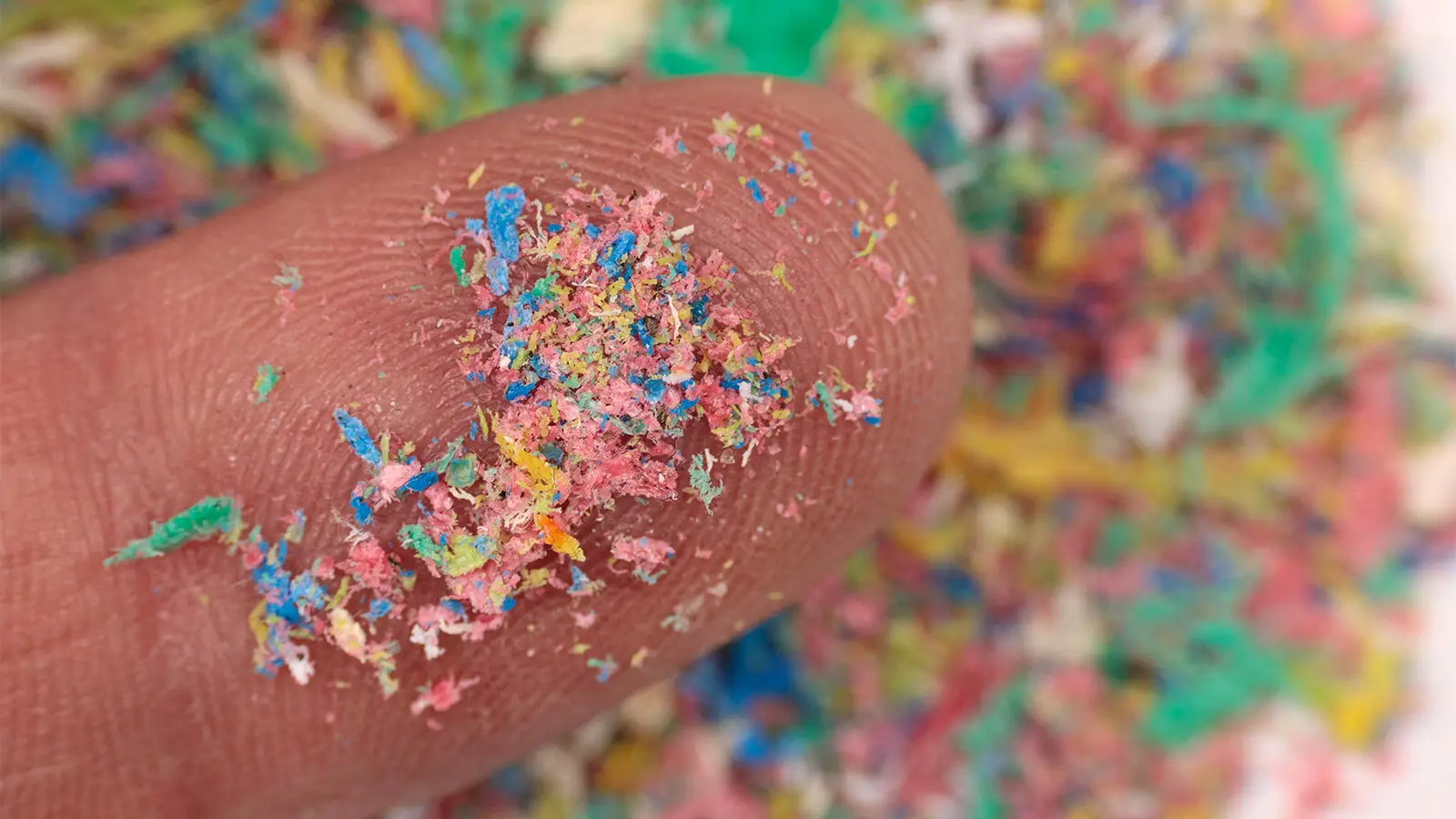
The health impacts of plastics have been widely studied over the past two decades. Humans are exposed to plastic particles and chemicals through a wide array of mechanisms, including ingestion through contaminated food or water, inhalation of airborne particles, and dermal contact via clothing or cosmetics. Exposure begins in utero and continues throughout the lifespan, with microplastics detected in everything from placentas to breast milk. One study even found microplastics in atherosclerotic plaque, which was correlated with a four-fold higher risk of stroke in these patients.
The literature suggests that microplastics affect nearly every organ in the body. The impacts range from impaired fertility to increased intestinal permeability to neurotoxicity and metabolic disruption. The impacts may vary in part depending on the variety of plastic an individual is exposed to. Polyvinyl chloride and polystyrene, for example, have strong carcinogenic potential due to a wide array of biological mechanisms, including DNA damage, cytotoxicity, and oxidative stress induction. They have been linked to hepatic angiosarcoma, a rare and aggressive liver cancer, as well as lymphomas and leukemias, among other forms of cancer. PFAS have also gained notoriety in the past few decades. These “forever chemicals” exist in many plastic products and have similarly been tied to a wide array of health issues.
While everyone is at risk of health harms, children may be the most vulnerable. This is due to their higher intake-to-body-weight ratios as well as their immature detoxification systems and risks of exposure during critical windows of development.
What Health Professionals Can Do
Protecting patients from environmental health hazards can feel overwhelming, and many physicians may wonder how they can meaningfully contribute outside of clinical practice. Yet, physicians are uniquely positioned to influence public discourse and policy. Our firsthand experience with the health consequences of environmental exposures gives us credibility, and our profession continues to be one of the most trusted. Advocacy does not require leaving medicine behind. Rather, it is an extension of our responsibility to protect the health of our patients and communities.
None of us can do this alone, but we can work together with other professionals in groups like the Medical Society Consortium on Climate and Health, and Physicians for Social Responsibility, and collaborate with environmental toxicity experts at Beyond Plastics and Collaborative for Health and the Environment. Below are other concrete ways physicians can work together to engage politically and civically to reduce plastic pollution and advocate for environmental health.
Educate Communities, Civic Groups, and Patients
Fostering civic engagement and informed voting can serve as a form of preventive care: making the connection between environmental hazards and patients’ health and their vote equips them with the knowledge and tools to change the social-environmental drivers of health. When people vote for health-related ballot measures or environmental health-conscious legislators, we can enact measures that address air pollution, climate change, and plastic hazards.
Contact Local, State, and Federal Representatives
Doctors can call, email, or meet with legislators to advocate for policies that reduce plastic production and improve environmental health (e.g., plastic bag bans, extended producer responsibility laws, limits on single-use plastics).
Provide Testimony at Legislative Hearings
Physicians can submit written testimony or speak at city council, state legislature, or congressional hearings on bills related to plastics, chemical exposure, or environmental regulation. Clinical expertise about the health effects of microplastics, endocrine disruptors, or air pollution from petrochemical plants can influence the policy-making process.
Write Op-Eds and Public Commentaries
Physicians can author opinion pieces in newspapers, medical journals, or online platforms underscoring the health harms of plastic pollution and the need for regulatory change.
Participate in Public Comment Periods
Many environmental regulations require public comment before implementation. Physicians can submit formal comments to agencies, including environmental or public health departments, advocating for stronger protections against plastic pollution and hazardous chemical exposure.
Advocate for Change at Your Institution
An opinion article in the Annals of Internal Medicine provides a framework for moving away from single-use plastics and toward reusables in healthcare. You can consider contacting and collaborating with your hospital or clinic to push for this change. Initiating a waste stream assessment of your institution could also assist in determining the environmental impact of healthcare facilities.
Why This Matters for Patients
Physicians take an oath to protect human health, but the threats facing our patients do not stop at the clinic door. The accelerating damage to our environment and the unchecked proliferation of plastics in particular are among the most pressing public health challenges of our time. To care for patients fully, physicians must extend their advocacy beyond prescriptions and procedures and engage with policies that shape the environments where our patients live.
We must vote, speak out, organize, and advocate for policies that protect environmental health and curb the harms of plastic pollution. The health of our patients and future generations depends on our willingness to stand up, not only in exam rooms and hospitals, but in our civic life, to defend the environment that makes health possible.
Aroub Yousuf is a third-year medical student at Harvard Medical School in Boston. Ursula Gately is a second-year medical student at Johns Hopkins School of Medicine in Baltimore. Fizah Yousuf is a second-year medical student at Albert Einstein College of Medicine in New York City. Samyukta Karthik is a third-year medical student at Penn State College of Medicine in Hershey. The authors are co-chairs of the Advocacy Team of Medical Students for a Sustainable Future (MS4SF).
Source link : https://www.medpagetoday.com/opinion/climate-checkup/120877
Author :
Publish date : 2026-04-21 14:18:00
Copyright for syndicated content belongs to the linked Source.