Semaglutide erased the constant mental chatter about food that had ruled her life, but along with it went her awareness of basic needs.

Health and wellness touch everyone’s life differently. This is one person’s story. The views and opinions expressed are those of the speaker and do not necessarily reflect the views or positions of Healthline Media.
It hit me at a Mexican restaurant. The chips and salsa were on the table — warm, salty, delicious — and after enjoying just a few, I was done. Not because I was being “good” or disciplined, but because I was satisfied.
In the past, I would have eaten my way to the bottom of the basket. Then it dawned on me: the food noise was gone.
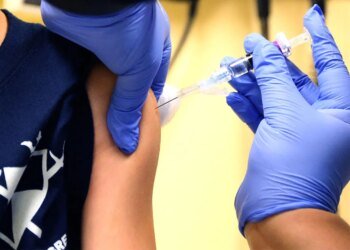
Six months before that chips-and-salsa moment, I started taking compounded semaglutide after leaving an abusive marriage and learning my A1C was nearing prediabetic. The next 16 months reshaped my body and my relationships with food, my kids, and myself.
The “food noise” disappeared, but so did my awareness of some basic needs. For instance, I’d forget to drink water and cook meals for my kids.
I had learned the hard way that you need medical oversight when taking GLP-1 drugs, which I’d obtained compounded versions of through medical professionals at a local medspa and a compounding pharmacy.
I weighed 180 pounds when I started GLP-1 drugs in November 2023and stopped at 135 pounds in July 2025.
If I could go back to that first shot of semaglutide, I’d know I’d need a timeline and an exit strategy. I would also know that I’d need community support from people who understand this particular weight loss journey. I don’t regret taking GLP-1 drugs, but here’s what I wish I’d known before starting them.
Before I started GLP-1s, food noise was a constant state of mind.
My thoughts swirled around the next snack or meal as if they were a close companion. Food noise was ever-present and then, surprisingly and suddenly, absent.
One unexpected casualty was my baking hobby. A few months into my weight loss journey, I stopped baking. The desire simply dissipated.
Before I started the injections, I’d been on a pound cake kick, baking weekly just for the fun of it. In hindsight, food noise may have been driving the hobby, even though I really enjoyed the process of baking.
At some point, I just stopped baking and didn’t seem to miss it. The food noise that’d prompted weekly fixes for pound cakes was gone. The absence of that noise — the silence, really — was deafening.
As the mental chatter around food quieted, I realized I had missed other signals my body was sending. Painful constipation forced me to confront how little water I was drinking. Turns out dehydration can be a side effect of GLP-1 drugs.
I spoke with Mir B. Ali, MD, a bariatric surgeon and medical director of the MemorialCare Surgical Weight Loss Center at Orange Coast Medical Center in California, to gain a better understanding of what happened.
He explained that the medication slows your digestive system. That slowdown, combined with even mild dehydration, can create intense constipation.
Ali advises his patients to drink water and other non-sugary liquids throughout the day, aiming for 48 ounces. Severe dehydration is rare with GLP-1 use, he said, but the problem is more subtle.
“Patients just forget to drink, and you can’t gulp a whole bunch at once because your stomach is emptying slower, and it might make you nauseous,” Ali said.
That was my experience. I simply forgot to drink water.
Staying hydrated is about more than avoiding discomfort. Research suggests that chronic dehydration can cause serious health risks as we age. When you forget to eat or drink, those risks can accumulate silently.
So, I tracked my water bottle refills, sometimes adding electrolyte powders. My dehydration wasn’t just an uncomfortable side effect. It had the potential to derail everything I worked toward. This would have been helpful to know up front.
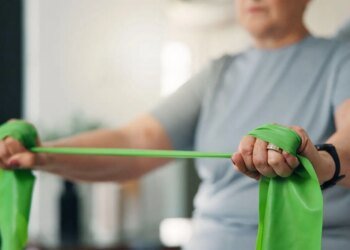
Doctors advise people taking GLP-1 drugs — and most people in general — to exercise at least 30 minutes daily.
Regular exercise helps your body maintain metabolism and muscle, which are both at risk while taking GLP-1 drugs.
However, I’d lost the motivation to exercise. When I started taking GLP-1s, I found I had very little energy. At times, I could barely summon the energy for even the most mundane tasks, such as answering an email, folding laundry, or taking my toddler to the playground.
Exercising definitely wasn’t going to happen, which was confusing since I’d always been athletic and loved being active.
When I asked Ali about this, he said he wasn’t surprised. He explained that the body has less energy when it’s burning calories. I also learned I likely wasn’t eating enough protein.
“When patients are low in energy, they’re probably not getting enough protein. Protein is necessary for muscle preservation, as well as for general energy needs. So, we emphasize protein and vegetables in the diet and reducing carbohydrate intake,” Ali said. “That kind of directs your body toward burning fat more.”
I routinely forgot to cook meals for my kids. Judge me if you must, but I was rarely thinking about food for myself, let alone anyone else.
I have a teen and a toddler who’d get home and ask, “What’s for dinner?” and I’d be like, “Oh, right, dinner!” I felt guilty because food was so far from my mind, but my kids still needed to eat.
I remember my 2-year-old opening the freezer one evening and pulling out a bag of frozen vegetables. That smart baby was telling me she was ready for dinner. Ouch. I prepared a quick meal and she devoured the whole thing. That night, I realized I needed better systems in place to prevent this from happening again.
I relied on air-fryer meals for my toddler and encouraged my teen to cook, which worked out great because he enjoys being in the kitchen — but not the part where he has to do the dishes. We also ordered takeout quite a bit.
Cooking for my kids reminded me that I still had to eat, too.
My weight plateaued for months, so my primary care physician (who didn’t prescribe my semaglutide injections) recommended I stop cold turkey. In hindsight, I should have planned an exit strategy.
There was no dramatic shift. My appetite returned gradually, almost imperceptibly. A little more interest in food one week, a basket of tortilla chips the next. Five months passed, and 10 pounds returned. I remember looking at vacation pictures and realizing my hard-earned body was slipping away.
I decided to try semaglutide again, but I knew I couldn’t just restart the injections and expect different results.
On many days, I ate one meal a day. However, this eating pattern was setting the stage for a potentially dangerous side effect. I simply wasn’t getting enough nutrition.
My nails were brittle, and my beautician noticed my hair was dry and weak, cutting off two inches of what looked like straw on the salon floor. I blamed work stress.
I mentioned it casually during my annual physical, prompting my doctor to ask questions like: What was I eating daily? Was I tracking protein? How often was I actually eating?
My doctor wasn’t managing my GLP-1 treatment; I did my own thing while keeping her informed. But she connected the dots I missed. The hair loss, brittle nails, and my diet: we suspected malnutrition.
I stopped the compounded medication at 135 pounds, which was 5 lbs from my target. I set the target weight low because experience taught me I’d likely settle at a higher weight once off the meds.
I later learned that malnutrition while taking GLP-1s is rare. Ali said that what I experienced could have been triggered by a hormonal shift resulting from rapid weight loss.
I learned you need someone watching more than the scale — a medical professional who can see patterns you’re too close to recognize. Weight loss was never supposed to be the only metric that mattered.
My girlfriends were on GLP-1 drugs before me, and understood the experience in ways research couldn’t capture.
We quickly became each other’s sounding board at different stages on different medications and with different goals, like weight regain when I plateaued.
We traded practical strategies: Pepto-Bismol pills before injections helped alleviate nausea, intermittent fasting worked for maintenance, and long walks were easier when done together. The tips helped, but that wasn’t the real gift.
This community gave me permission. After years in survival mode, I needed to see women prioritizing themselves — taking up space, investing time and money, asking for what they needed. They showed me what that looked like. Watching them showed me I was allowed to want it, too.
I’ve been off semaglutide since August and am maintaining my new healthy weight.
For me, intermittent fasting, deliberate daily movement, and a balanced diet rich in protein and fiber help me stay strong, healthy, and motivated. I still choose only the carbs worth eating — good bread, not mediocre bread.
And the food noise? Well, it’s back, but I’m keenly aware of it now. When I open the pantry, I pause and ask: Does my body actually feel hungry right now? Sometimes the answer is no, and I eat anyway.
But the difference is the pause. The awareness. The choice.
GLP-1 didn’t cure my relationship with food — it gave me the silence I needed to start listening to my body again after years of survival mode had trained me to ignore it.
Now, when I sit down at that Mexican restaurant, the chips and salsa in front of me, I don’t always make the choice to be “good,” but in that split second between impulse and action — I make a choice.
That little moment of agency before my hand reaches my mouth is the gift I’m going to hold onto.
Source link : https://www.healthline.com/health-news/glp-1-compounded-semaglutide-weight-loss-first-hand-experience
Author :
Publish date : 2026-01-05 08:08:01
Copyright for syndicated content belongs to the linked Source.