[ad_1]
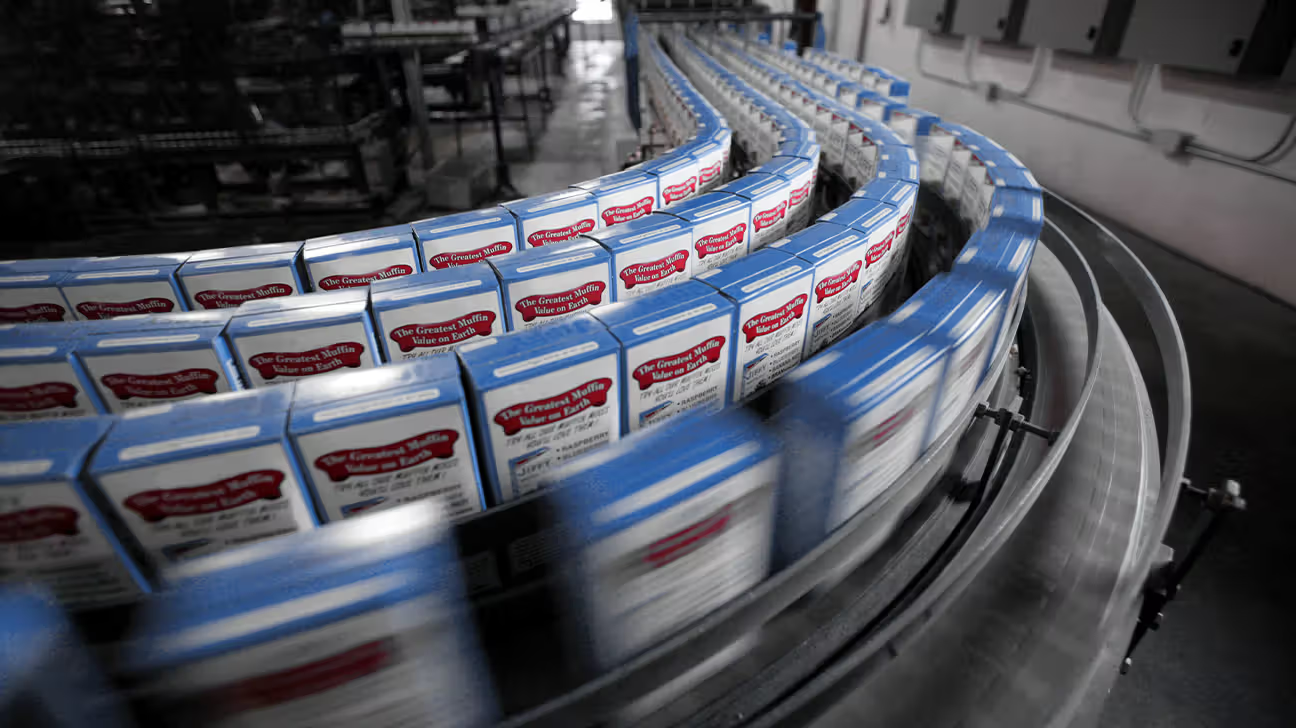
- A recent study has found that it may not just be what’s in ultra-processed foods that makes them unhealthy, but how they’re made.
- The study noted that factors such as changes in the food’s cellular structure, loss of beneficial chemical compounds, and additives and chemicals in packaging may all pose health risks.
- This adds to previous research that shows that ultra-processed foods can negatively affect health.
Public concern over the effects of ultra-processed foods has been growing. Research has increasingly associated these foods with a higher risk of conditions like heart disease, diabetes, obesity, and even early death.
Despite these concerns, ultra-processed foods make up
“UPFs [ultra-processed foods] do offer some advantages, but at the expense of the consumer’s health. They are convenient, affordable, have a long shelf life, and are often engineered to be highly palatable, which contributes to their widespread consumption,” said Mir Ali, MD, medical director of MemorialCare Surgical Weight Loss Center at Orange Coast Medical Center in Fountain Valley, CA. Ali was not involved in the study.
“Because of these factors, UPFs are extremely prevalent in the modern diet. While many people are generally aware that these foods are not optimal for health, convenience and taste often drive decision making,” he told Healthline.
Experts are also still looking into exactly what drives the risks from ultra-processed foods. They are debating whether it is the nutritional quality of the foods, as they are often high in sodium, added sugars, and refined grains, or if it is the industrial processing and additives used to make them.
A recent study published in the American Journal of Public Health (AJPH) suggests that processing may actually play an independent role in the health risks posed by ultra-processed foods. The researchers found that people who ate more ultra-processed foods had worse health outcomes. This was evident even after accounting for the overall nutritional values of the foods.
The researchers evaluated the associations both with and without adjusting for the nutritional quality of the ultra-processed foods.
The research team used a standard classification system to group foods according to how they were prepared. These groups ranged from minimally processed foods like fruits and vegetables to ultra-processed foods, which are made with industrial ingredients and additives that are not typically used in cooking.
They also rated the nutritional quality of foods by scoring them based on their overall healthfulness. Each participant also received an overall diet quality score based on the foods they reported eating.
The researchers examined how the consumption of ultra-processed foods was linked to current health measures, such as blood sugar, weight, and cholesterol, as well as long-term risk of death.
The study showed that for every 10% increase in calories from ultra-processed foods, individuals had worse health markers. Those who ate larger amounts of ultra-processed foods tended to have:
- higher body weight
- lower blood sugar management
- higher blood pressure
- worse cholesterol levels
These individuals were also more likely to have conditions, such as diabetes, metabolic syndrome, and cancer. They also had a higher risk of dying during the study period.
These connections remained even after accounting for the food’s nutrient quality, as well as the amount of saturated fat, added sugars, and sodium in the ultra-processed foods. The patterns remained largely the same across subgroups of individuals.
“Overall, these findings reinforce existing concerns about ultra-processed foods. While awareness of their risks is relatively high, making consistent, healthier choices can be difficult — particularly when cost, convenience, and availability are limiting factors,” said Ali.
Ultra-processed foods can contribute to the development of various health conditions.
“Numerous
“These conditions can lead to serious adverse health outcomes, as they are known to be risk factors for cardiovascular diseases such as heart attack and stroke. It is thought that ultra-processed foods affect cardiovascular health through multiple mechanisms, including promotion of inflammation, increasing oxidative stress, and increasing insulin resistance,” Chen told Healthline.
Jonathan Jennings, MD, board certified internist with Medical Offices of Manhattan, who wasn’t involved in the study, agreed. “Ultra-processed foods are clearly a major contributor to some of the most difficult chronic diseases to manage, such as diabetes, hypertension, and obesity,” he told Healthline.
You can lower your risk of many health conditions by cutting back on ultra-processed foods.
“I believe educating people as much as possible about the potential dangers of overconsumption of these foods and affordable alternatives is one of the most effective strategies,” said Jennings.
[ad_2]
Source link : https://www.healthline.com/health-news/how-ultra-processed-foods-are-made-matters
Author :
Publish date : 2026-06-15 07:20:17
Copyright for syndicated content belongs to the linked Source.