[ad_1]
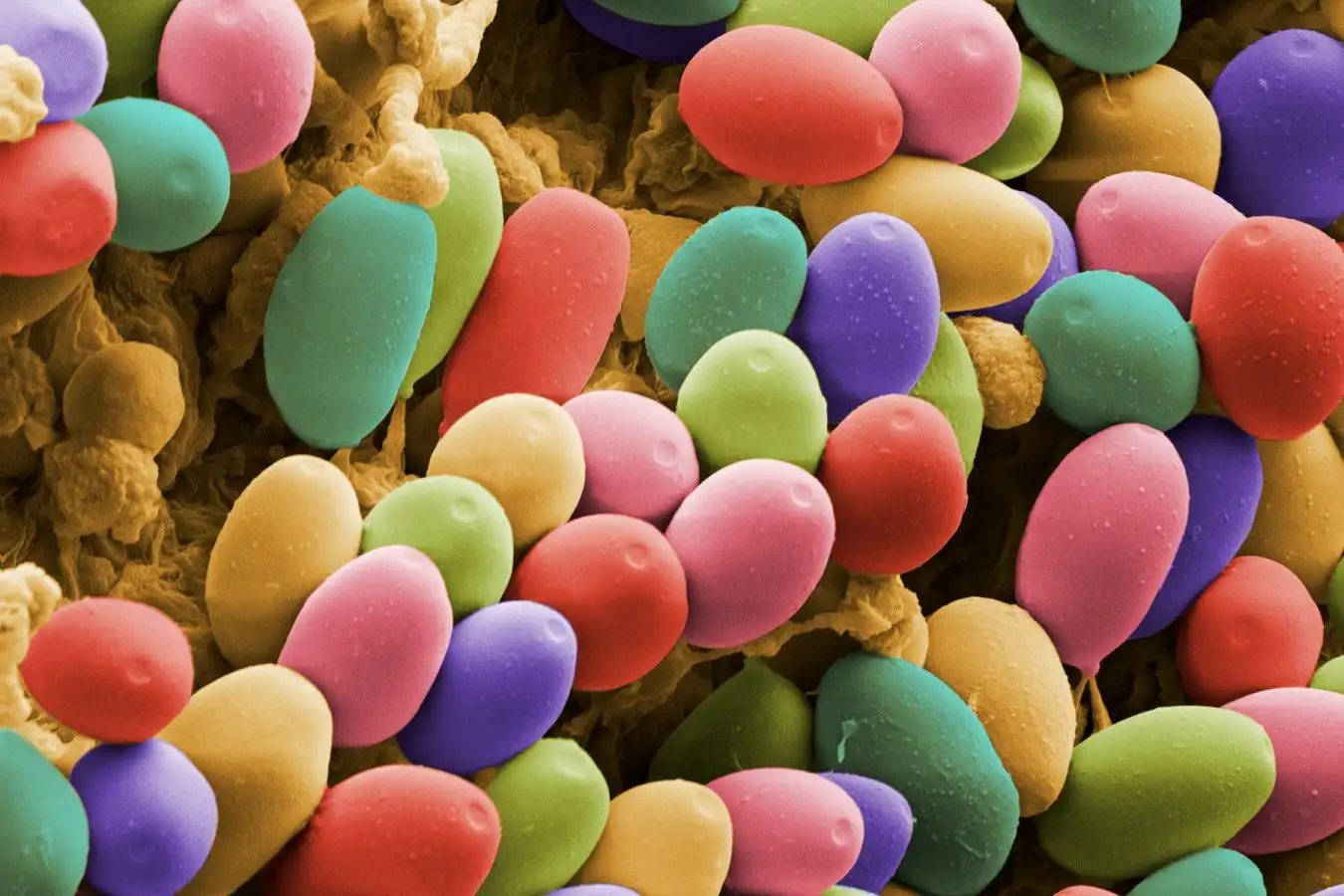
A scanning electron microscope image of the magic mushroom species Psilocybe cubensis, the highly potent psychedlic that the woman with Alzheimer’s was given
Ted Kinsman/SCIENCE PHOTO LIBRARY
A woman with severe Alzheimer’s disease who spent years communicating in monosyllables started initiating conversations after receiving a large dose of psilocybin. The woman, who also had urinary incontinence and was unable to get around without assistance, also regained control of her bladder and experienced improved mobility in the weeks after taking the drug. While further research is required, the case adds to evidence that psychedelics can acutely alter cognition and brain function.
“Her facial expressions became much more animated; she made prolonged eye contact, smiled responsively and moved with greater agility,” says Marcus Lago at the Ankh Cross Association in São Paulo, Brazil, an organisation that focuses on holistic medical practices. “During a later session she spontaneously said: ‘It feels good to come here.’”
The woman, who has not been named, is 83 and was diagnosed with Alzheimer’s disease 10 years ago. She had been living with a marked decline in function for around half that time.
With the consent of her son, the woman was given 5 grams of the Enigma strain of the highly potent magic mushroom species Psilocybe cubensis, administered orally. She initially began sweating profusely and entered a prolonged deep sleep-like state. But around 19 hours later, her son reported her initiating a conversation that included her memories and reflections, which lasted around 4 hours.
Over the subsequent days and weeks, Lago and his colleagues observed her regaining urinary continence, dressing herself and spontaneously entering conversations. Off the success of her first trip, about a month later she was given another 3 grams of psilocybin, which prompted her to describe surfing with her son on a peaceful island.
“She selected and put on coordinated clothing independently, went to the television room expecting breakfast, recognised contextual details such as a rented car, noticed when someone was unexpectedly absent and repeatedly remained continent for periods in which incontinence had previously been routine,” says Lago.
The researchers have stressed that her Alzheimer’s has not been reversed, but she may have some residual functional capacity that psychedelics can tap into. We know that psilocybin activates serotonin receptors in the brain, which is thought to boost its plasticity and alter communication between its networks.
David Nutt at Imperial College London says he has heard of similar reports of psychedelics improving brain function in people with neurodegenerative decline. “These accounts don’t prove psychedelics promote longevity and maintain good brain function but are consistent with [their] known anti-inflammatory activity,” he says.
The cause of Alzheimer’s is not entirely clear, but the leading idea is the amyloid hypothesis. This suggests that the clumping of a misfolded protein called amyloid-beta between brain cells triggers the abnormal formation of a protein called tau inside cells to form tangles. This then leads to neuroinflammation, disruption of neural connections and cell death. “Some brain dysfunctions can be due to one brain circuit suppressing another and psychedelics can disrupt such effects,” says Nutt.
However, it is unclear what effects psilocybin could have long term. “I have a litany of concerns about the validity of the report and the ethics overall,” says Albert Garcia-Romeu at Johns Hopkins University in Baltimore, Maryland, who is involved in a study investigating psilocybin’s effects on depression in people with mild cognitive impairment or early Alzheimer’s disease. “The paper only described the month after the first session and does not specify any longer follow-up duration, or how long or whether improvements persisted.”
Garcia-Romeu adds that this is a single case report so cannot be extrapolated out to people with Alzheimer’s as a whole. What’s more, her diagnosis was based on symptom assessment, not more reliable methods such as biomarker testing or neuroimaging, he says.
However, some are encouraged enough to want further research into psilocybin’s potential here. “This is a pretty dramatic case study and while we have to be careful to not make too many conclusions based on one anecdotal event, the findings do suggest a trial may be warranted,” says Rudolph Tanzi at Harvard University.
Topics:
- psychedelics/
- Alzheimer’s disease
[ad_2]
Source link : https://www.newscientist.com/article/2531319-woman-with-alzheimers-starts-conversing-again-after-taking-psilocybin/?utm_campaign=RSS%7CNSNS&utm_source=NSNS&utm_medium=RSS&utm_content=home
Author :
Publish date : 2026-06-22 18:00:00
Copyright for syndicated content belongs to the linked Source.