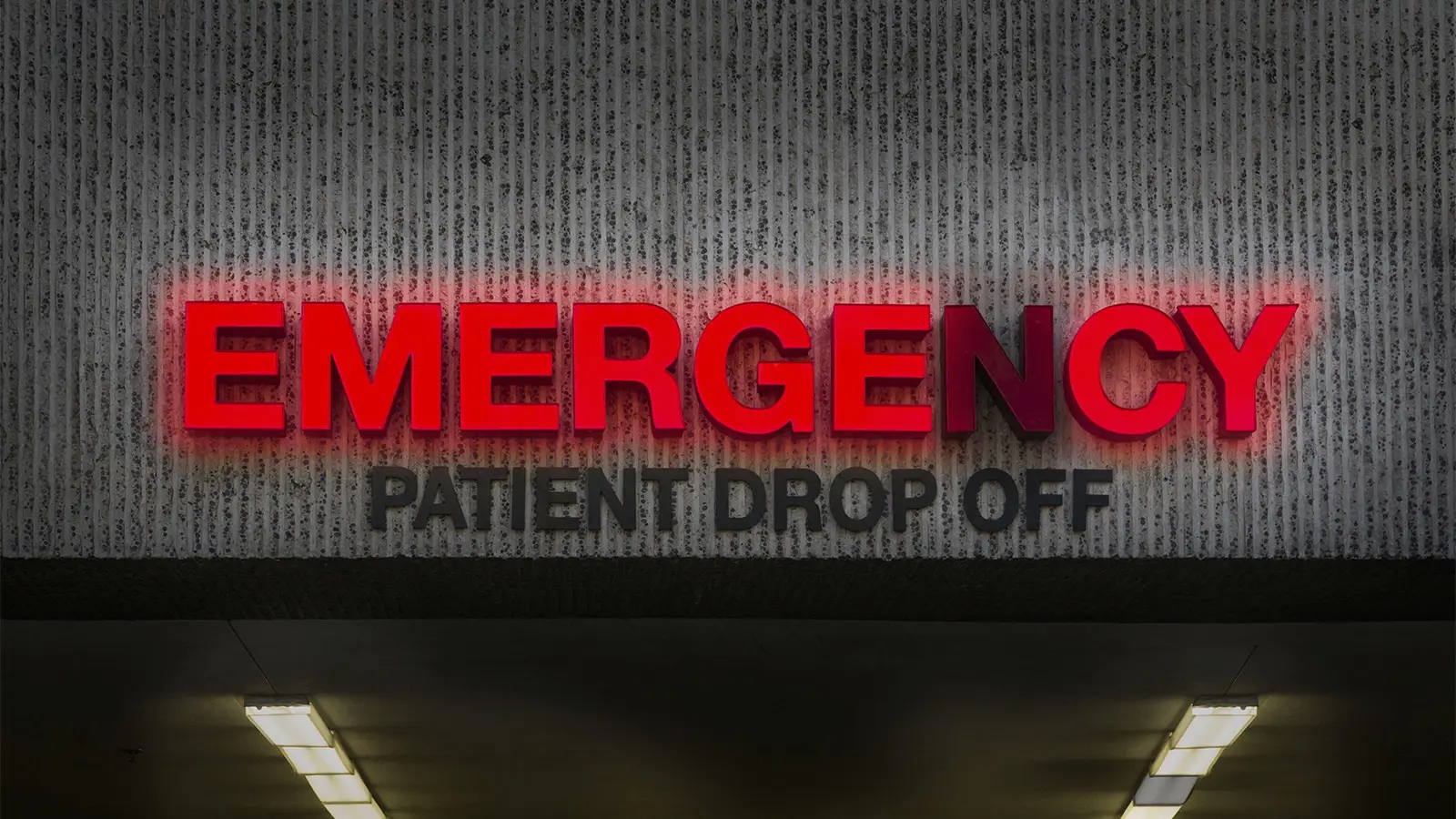
[ad_1] The recent MedPage Today op-ed titled, "The Case Against Calling It 'Emergency Medicine" miscasts many elements of emergency medicine and emergency treatment in general. It fails to grasp some basic truths about why patients come to the emergency department (ED), and following its lead would be a detriment to public access to emergency care. I'm here to set the record straight. The concept that emergency care is overpriced and over-utilized has been debunked. Some of the arguments frequently brought up include:"ED care is more expensive than other locations for the care received." In reality, it is one of the highest-value pieces of the medical system;"Most patients come to the ED for low-acuity processes." They do not."Patients have multiple other ready options for care." Some have tried other avenues before the ED but have no alternatives available. These narratives are a frequent refrain heard from payors. But the argument we hear most often is that the costs come from emergency physicians who over-order imaging. In reality, fear of being sued is not a significant driver of emergency imaging orders. More than anything, emergency physicians just want to get the diagnosis right. The op-ed author makes this point, and emphasizes that it also runs even deeper than this: the reason we order testing and imaging is embedded in our professional identity. No matter the primary drivers of test orders, we know that the term "emergency" is not the cause. Our deeply embedded professional identity is based in the trust our patients bring when they come to us in their worst hour, knowing that we will do everything we can to find out what's wrong. Even more importantly, data do not show that the ED orders too many CTs. Even the Annals of Emergency Medicine paper citing alleged "overspending" on imaging highlights that any efforts to reduce the number of scans must consider the potential for unintended consequences, such as a greater number of missed or delayed diagnoses. That is just not acceptable to us, or to our patients. This gets to the very heart of the issue: it is easy, but not constructive, to look back at negative imaging studies and call them over-testing. But it is not so easy to take an undifferentiated patient and know, without testing, that they don't have a dreaded lethal diagnosis. Even if a decision rule is 98% sensitive, that's an unacceptable miss rate for serious disease processes. This op-ed misses the mark. Patients, when they have a worrying symptom, do not know whether it is a true emergency. All of us who have spent time working nights in a busy ED know that patients come to us because they are worried. They brave weather, lack of insurance, and more recently, they brave coming in during an historic boarding crisis that can leave them in the waiting room for hours. They come because they think they might be having an emergency. They come to the emergency department because they know that we will see them and take care of them. The American College of Emergency Physicians (ACEP) has fought the insurance industry for decades to uphold Prudent Layperson laws to ensure that all patients have access to the ED when they are worried, sick, or injured. While our healthcare system's failures are the reason a safety net is necessary in the first place, we will stay open 24/7/365 and we will always be there to make sure everyone has somewhere to go when they're hit with an emergency. That's why the emergency department exists. And we're not going anywhere. Please enable JavaScript to view the comments powered by Disqus. [ad_2] Source link : https://www.medpagetoday.com/opinion/second-opinions/121931 Author : Publish date : 2026-06-25 16:32:00 Copyright for syndicated content belongs to the linked Source.