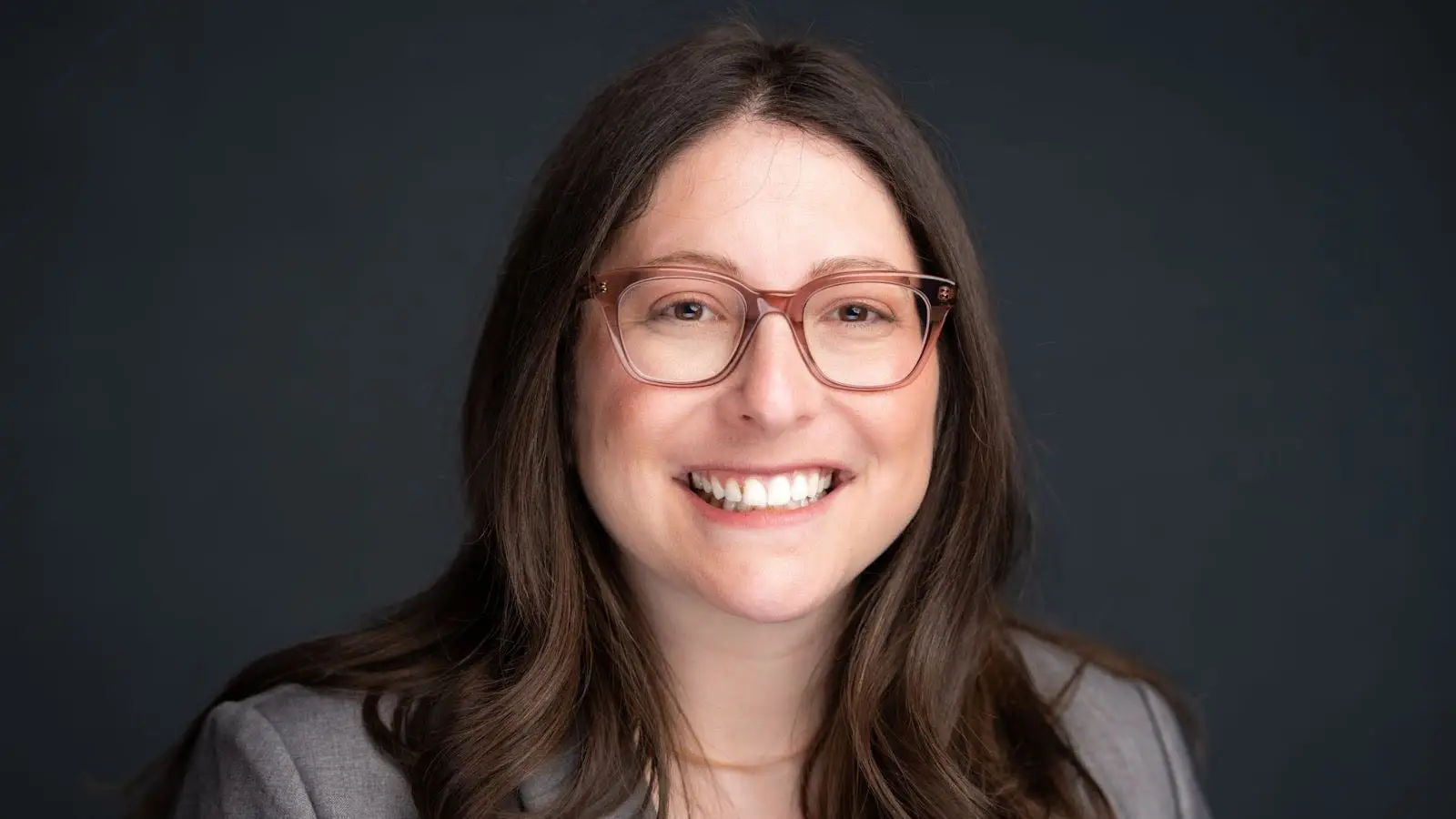
In March 2025, I was laid off from my public health research role at a time when the issues I work on were only getting worse.
Substance use, infectious disease, behavioral health — none of it slowed down. Overdose rates may be declining, but the crisis is far from over, and infectious disease threats continue to evolve. The need for the work didn’t change. But my job did. I was part of a reduction in force. A reminder that even in public health, the work and the systems that sustain it are not the same thing.
For a long time, I treated those as interchangeable. My job was my contribution to public health. When that job disappeared, I had to confront a question I hadn’t seriously considered before: what does it mean to do public health when you’re not employed to do it?
Over the past year, I’ve continued to show up, just without a title or a paycheck attached to it. I’ve helped select and mentor early-career scientists entering public service, contributed to leadership and recognition efforts within the field, and engaged in advocacy pushing back on the erosion of public health infrastructure. I’ve spent more time translating evidence for broader audiences; writing, explaining, and trying to make complex findings usable for people making decisions.
None of this replaces a job. But it is still public health.
I’m not unique in this. Many experienced public health professionals are currently between roles while state and local health departments and public health nonprofits continue to describe themselves as understaffed. We talk about workforce shortages while sidelining people who are trained, experienced, and ready to contribute. That disconnect should concern us — not just as a workforce issue, but as a signal that we may be defining capacity too narrowly.
We’ve built a professional culture that defines public health almost entirely through formal roles: grants, titles, institutions, and funding streams. Those structures are a critical part of the work. They enable evidence creation, scale, rigor, and sustained impact. But they are not the only place the work happens. When those structures contract, the work doesn’t disappear; it becomes less visible, less supported, and harder to sustain.
The work is showing up to protect science-based evidence, even when it’s inconvenient. It’s mentoring, reviewing, advocating, translating, correcting, and insisting on accuracy. This happens every day in clinical spaces in how we talk to patients about risk, how we respond to misinformation, and how we apply evidence in real time. Much of what determines public health outcomes isn’t written into grants or job descriptions. It’s carried out in these smaller, less formal interactions.
Unemployment has taken away the structure that made my contributions clear. Yet, my underlying commitment remains strong, and right now, that commitment feels more urgent than ever.
Public health is under pressure from political interference, misinformation, and chronic underinvestment. We are asking more of the system while, in many cases, investing less in the people who make it function. This is not a moment where the field can afford to define itself only by who is currently funded or formally employed.
If anything, it’s the opposite.
We need people who are willing to engage regardless of whether there’s a contract or grant attached. We need to broaden how we define contribution, credibility, and participation in this field. And we need to be honest about the fact that many highly trained, deeply committed public health professionals are currently outside formal institutions, not because they lack value, but because the system doesn’t always make space for them.
Public health has always extended beyond its institutions. But we don’t always recognize or support the people doing that work unless it comes with a title.
What I have learned more deeply this year is that public health is not just a job. It’s a responsibility — and right now, we need to recognize and support the people already doing that work, whether they’re on payroll or not.
Source link : https://www.medpagetoday.com/opinion/second-opinions/121009
Author :
Publish date : 2026-04-28 21:39:00
Copyright for syndicated content belongs to the linked Source.