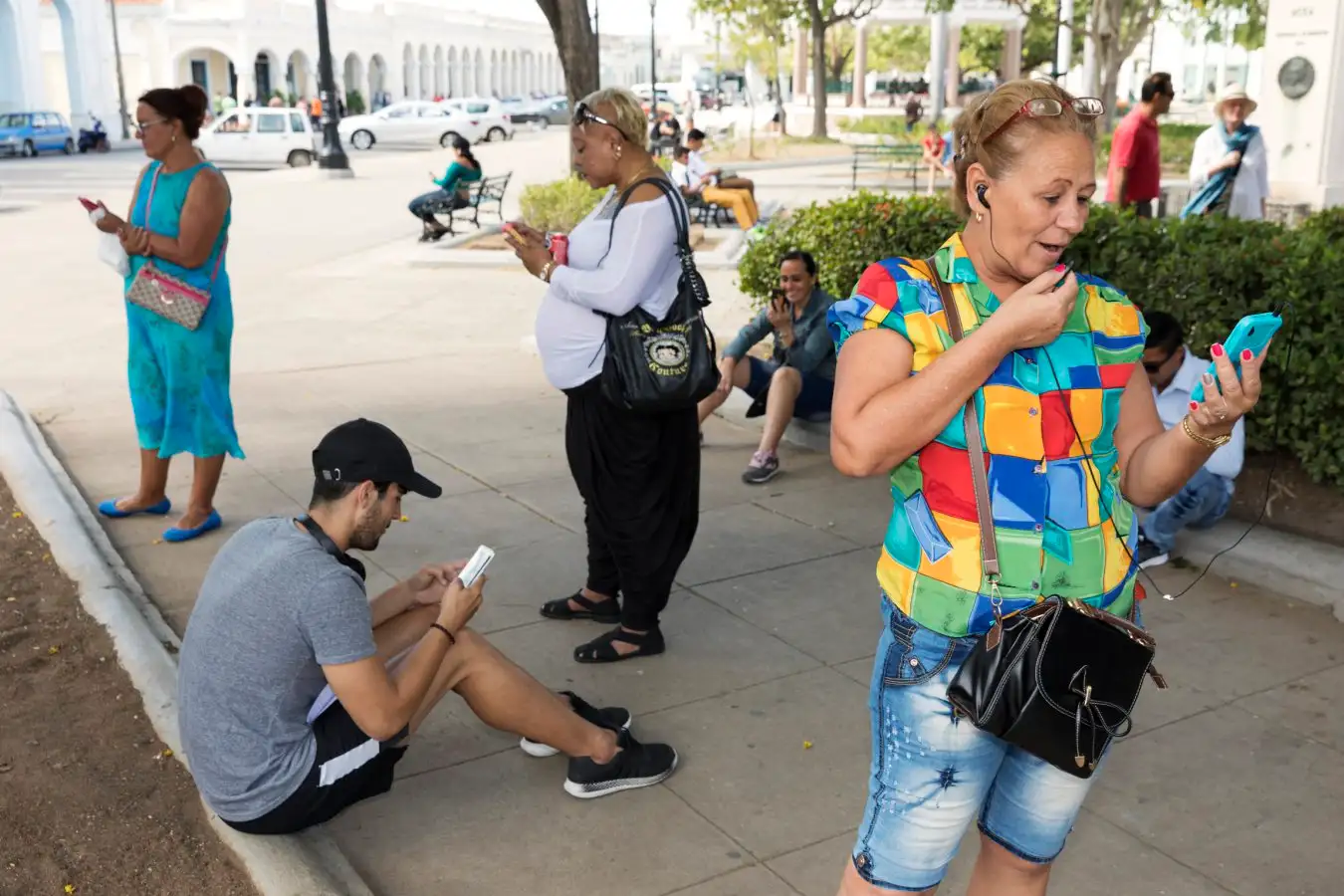
Technology is profoundly reshaping our culture. Luckily, says Hannah Critchlow, our brains already have the skills to see us through
Martin Parr/Magnum Photos
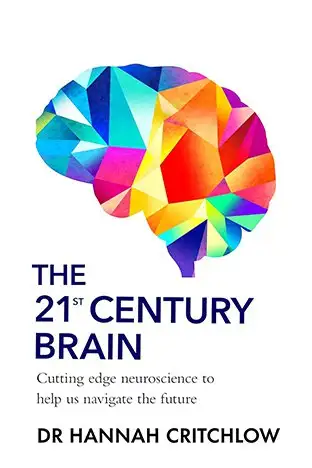
The 21st Century Brain
Hannah Critchlow
Transworld
Hannah Critchlow, an author and neuroscientist at the University of Cambridge, begins this serious and impressive book with a bold assertion: our species is in the middle of a major transition, driven by a profound shift in our environment. Digital technology is now so pervasive, hyperconnected and powerful, she argues, that it has become the main driving force in our evolution – and our brains are going to have to adapt, quickly. Factor in artificial intelligence and it is clear the majority of humanity occupies an environment unlike any other in our 300-plus millennia of existence.
It’s an unsettling opening that brings to mind another popular science book also by an Oxbridge neuroscientist, Mind Change by Susan Greenfield, in which the academic argued that digital technology is having a major and detrimental impact on our brains. But where Greenfield was criticised for being excessively speculative and gloomy, Critchlow deserves praise for her rigour and optimism. Even her opening gambit is supported by peer-reviewed literature – mainly a 2021 review paper in the prestigious Proceedings of the Royal Society B that claimed to show culture, not genes, is now the dominant driver of human evolution.
“
Humanity occupies an environment unlike any other in our 300-plus millennia of existence
“
The source of Critchlow’s optimism is the remarkable power and flexibility of the human brain. She argues persuasively that we already possess all of the mental attributes we need to survive and thrive through the transition, both individually and collectively, as we evolve to become less individualised and more of “a socially integrated mega-group fashioned by the hyper-connected environment we have created with the help of technology” (of which more later).
Each of the six main chapters deals with these attributes, although Critchlow is at pains to point out they are intertwined. She then serves up a series of exercises to help you boost these capacities.
So what are these mental superpowers? First up is emotional intelligence, because it “underpins the successful collaboration between people that will be the hallmark of what’s to come”. As in the rest of the book, this draws heavily on recent work in neuroscience and cognitive psychology. All told, Critchlow either quotes or cites the work of more than 100 scientists. Her source list reads like a Who’s Who. Impressive and exhaustive reporting indeed.
The next superpowers are grouped together: imagination, creativity and flexibility. Then comes long-term thinking, followed by adapting to uncertainty. The power to think with clarity and precision is next, and finally, there is the ability to create conditions for wisdom, expertise and intuition.
For me, the later chapters are where it got really new and interesting. Critchlow covers some fascinating recent science about diet, the gut-brain axis and my favourite organelles, mitochondria, all of which interact with our thought processes in ways I hadn’t come across before.
I’m also glad that one of the messages in the book is that future success is not predicated on mastering technology, but on operating intelligently in the environment it is creating.
But how? Her tips for honing mental capacity at the end of each of the six chapters are both useful and actionable. Many of them fall into one of two broad themes: maintaining mobility at every level, from physical to social, and drawing on as much diversity as possible – ideas, people and food. This pair slowly revealed itself to her through the writing of the book, she says, and “now feel like personal touchstones for the way I… live my life”. Wise words.
In the final chapter, she muses on how humanity can foster a healthier relationship with AI. It’s an important and difficult question, but on this I found her less persuasive, maybe because it strays from her areas of expertise. I know from my own experience that these days editors ask their writers to include “something” on AI and I wonder if she tacked this chapter on under duress.
If I had been her editor, I would have asked her to speculate more about where the transition is taking us – what will humans and their societies be like in 50 or 100 years’ time? Beyond the slightly hand-wavy assertion that we may become more like a colony of ants or even a computer-aided “hive mind”, she doesn’t say.
“
Recent discoveries in neuroscience and cognitive science prove that we don’t need to fear the transition
“
I would also have asked her to outline how to foster these mental skills at the institutional level as well as the individual one.
But these missteps don’t detract from the thrust of the book, which argues lucidly (albeit sometimes in a long-winded and clichéd way) that recent discoveries in neuroscience and cognitive science prove that we don’t need to fear the transition. Our brains already possess the skills to carry us through, though it will take some work to hone them.
We can draw further comfort from the fact that our ancestors went through a similar major transition before, around 5000 to 3000 years ago, with the development of agriculture, civilisation and writing. There were casualties along the way, but we came out of the other side alive and arguably in a better place.
If we let ourselves be guided by Critchlow’s expert, measured manifesto, I’m optimistic that we’ll do the same this time.
Three more great books on our amazing brains
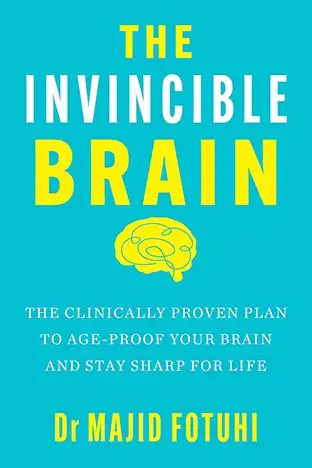
The Invincible Brain: The clinically proven plan to age-proof your brain and stay sharp for life
by Majid Fotuhi
Majid Fotuhi, a neurologist at Johns Hopkins University in Maryland, unpacks his 12-week programme of lifestyle interventions to improve brain health and cognitive function at any age. Here’s hoping.
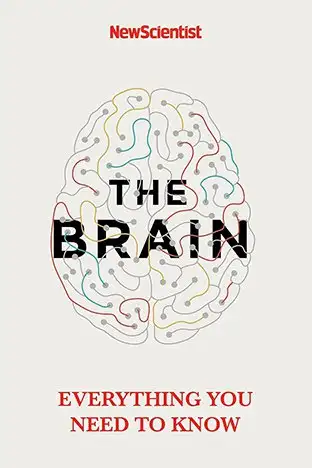
The Brain: A user’s guide
by New Scientist
This illustrated guide to getting the best out of your sexiest organ was compiled from articles originally published in New Scientist, and edited and expanded by my former colleague, Alison George.
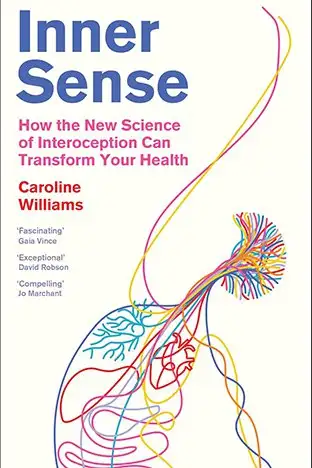
Inner Sense: How the new science of interoception can transform your health
by Caroline Williams
I was reminded of this splendid and useful book (by another New Scientist alum) when I read what Critchlow had to say on interoception – aka our sixth sense – and how it supports emotional intelligence.
Graham Lawton is a former staff writer for New Scientist
Topics:
Source link : https://www.newscientist.com/article/mg27035930-200-what-to-read-this-week-the-21st-century-brain-by-hannah-critchlow/?utm_campaign=RSS%7CNSNS&utm_source=NSNS&utm_medium=RSS&utm_content=home
Author :
Publish date : 2026-04-29 18:00:00
Copyright for syndicated content belongs to the linked Source.