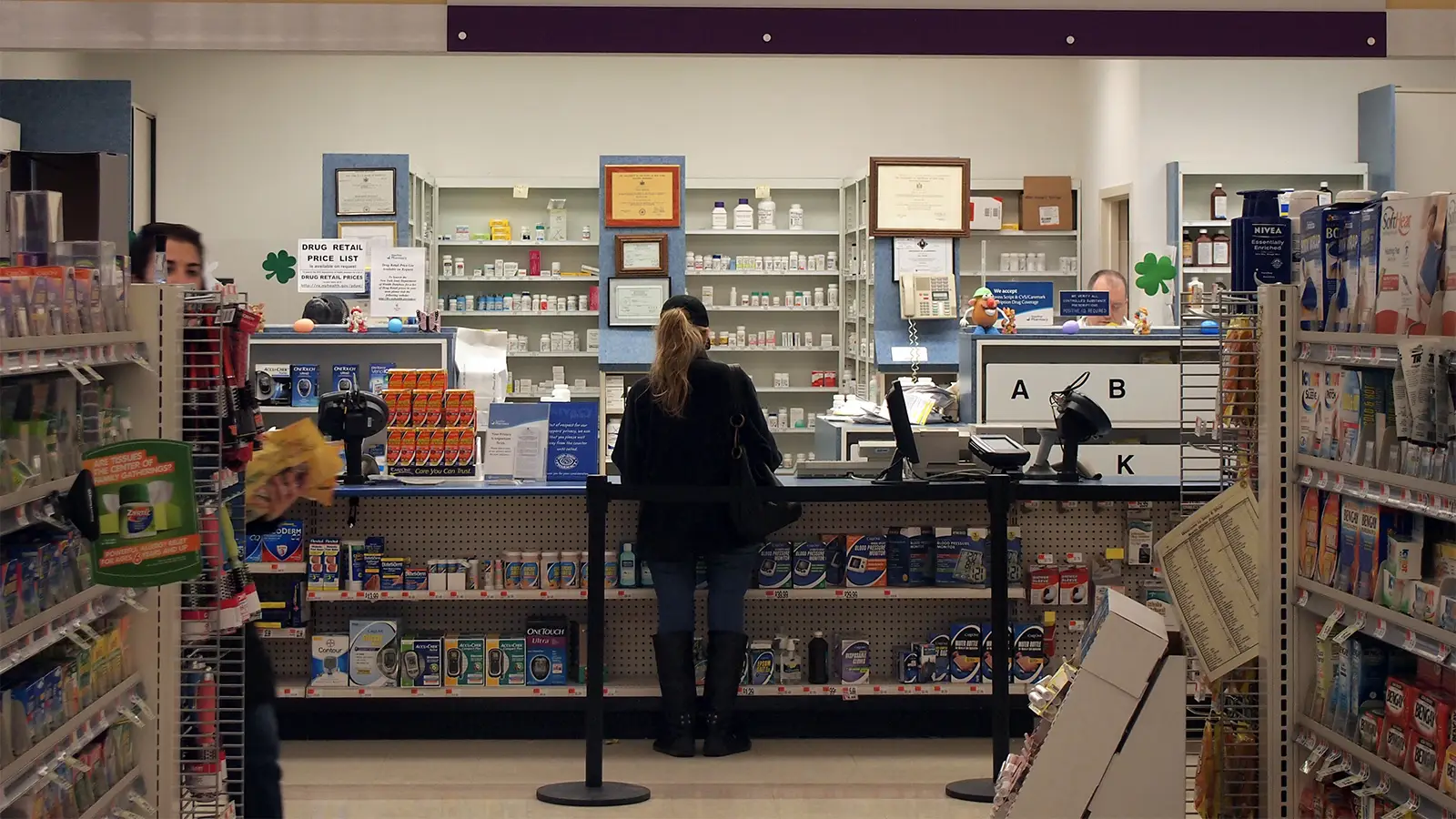
Over the weekend, when my wife and I were heading home from a late afternoon movie followed by a stop to pick up some ice cream, we remembered that we needed to stop by the pharmacy.
Since we moved into the neighborhood 30 years ago, our local non-chain pharmacy has been open until 8:00 p.m. every night, which is often a real convenience. Unfortunately, however, when we arrived a few minutes after 7:00, the pharmacy employees had shut everything down and were locking the doors.
The pharmacist informed us that management had decided to close 1 hour early every night, mostly to save money. Apparently, that last hour had been pretty slow, and it wasn’t worth it financially to stay open. Luckily, our visit wasn’t for something urgent, so we simply decided to pick it up the next day.
Access Above All Else
In healthcare, access is everything. For instance, not being able to reach your primary care doctor or your specialist, or not being able to schedule a timely appointment, is not only an inconvenience, it likely leads to poor outcomes and greater patient dissatisfaction. As primary care doctors become overwhelmed by increased demand, they send more patients to subspecialists rather than handling the problem themselves, which leads to overburdened subspecialists and months-long waits for appointments. Problems may therefore worsen, or patients may choose to go to urgent care centers or the emergency department for things that we used to handle.
The flip side of this is that patients often send us portal messages for things they used to come in to get care for. This, obviously, has pluses and minuses. I like that my patients are able to reach me and we’re able to deal with some simple things through a quick text message back-and-forth. But with this comes a certain expectation that we should just be able to handle complex medical situations in the same way that others deal with run-of-the-mill work emails.
Recently, I’ve gotten portal messages from patients asking us to order lab tests, imaging, or specialist referrals for things that we haven’t evaluated the need for and/or don’t have the necessary clinical information. And in a worrisome trend, I’ve had a number of elderly patients send a message through the portal saying that they’ve fallen and certain parts of their body are still hurting, and could I put in some orders for x-rays?
When Patient Portals Aren’t Enough
Sometimes, this is a safe path to go down. If someone says they hit a certain part of their body hard on something and we just want to make sure it isn’t broken, there’s often not a downside to ordering a quick x-ray as the “first pass,” and if nothing’s broken, then we can manage things expectantly. But often, the messages indicate the patient wants five things x-rayed, and they’re refusing to go to an urgent care center or the emergency department. This just creates too much uncertainty for us.
When a simple x-ray leads to a simple branch point in decision-making, then it’s probably safe. But what if there’s more going on that we can’t evaluate? What if they inadvertently struck their head and they’re confused? What if we need CNS imaging, or if the next step after an x-ray would be more advanced imaging? In those cases, using the portal as your sole access to care seems clearly insufficient and potentially dangerous.
One solution would be if we just had a lot more primary care doctors, and a lot more administrative support for each of those doctors, and a whole team of people helping us take care of all these patients and their requests. Unfortunately, right now that doesn’t look economically feasible.
Instead, we’re going to have to expand what access means, and build better touchpoints for patients besides the patient portal, urgent care centers, and the emergency department. Sure, those access points can work in many situations, but they can also lead to excessive testing and overtreatment for so many primary care-responsive issues. And turning all of these minor clinical situations into an in-person visit or even a video visit doesn’t seem like a viable option when so many primary care doctors are already overwhelmed.
This is where technology may be our friend. There are now a lot of health startups trying to help provide care, often without the immediate need for a live human being. Generative AI that runs through the same questions that a provider would ask in a clinical encounter to assess for an initial differential diagnosis — and rules out some scary possibilities — may hold some potential to fill these gaps in access. Combining this with a video visit or even a virtual reality-based system could provide some new types of encounters that might obviate the need for us to send every patient who calls with something beyond a simple cystitis, upper respiratory tract infection, or low back pain into the emergency department.
Imagining a Better Future
The answer cannot be to make the primary care doctors work harder, overbook their schedules even more, shorten appointment times, or extend hours earlier in the morning and later at night and into the weekends. But if we give the right tools to augment the care we provide to every part of the healthcare system, maybe we can close the gaps and improve access across the spectrum of care. I think I would be happy if some ambient system took care of patients’ complaints and divided them into “acute and minor” versus “acute and terrifying,” and then passed that on to me to make a final decision about where their care should take place and what we could safely and successfully handle online.
Now consider my story about our local pharmacy. Imagine a day in the future when you get to the pharmacy and it’s closed already. You open up an app on your phone and the prescription goes from your doctor’s office to the back of the pharmacy, where a robot plops a Z-Pak into a basket that delivers it to a dropbox at the front of the pharmacy, and when you open the drawer, it charges the prescription to your credit card.
Maybe someday this can be how most if not all pharmaceuticals are dispensed to patients, and pharmacists can focus on tasks that are more sophisticated than counting pills out, putting them into little bottles, and printing out labels. They can do more co-management, education, coordination of care, and other things they are well trained to do.
For now, I’m not ready to close early, and I don’t think we’re ready to turn over all (or even most) of the care we provide to the robots. But if we can find a way for all of this new technology to help us triage, get some of the busy work done, and safely get patients the care they need when and where they need it, this will probably be a good thing for everybody.
Source link : https://www.medpagetoday.com/opinion/patientcenteredmedicalhome/121220
Author :
Publish date : 2026-05-11 21:42:00
Copyright for syndicated content belongs to the linked Source.