Last week, HHS fired the two remaining chairs of the U.S. Preventive Services Task Force (USPSTF). Task force members are independent, volunteer experts who make evidence-based clinical recommendations for preventive care. Most are practicing primary care clinicians. The chairs leading the task force have 4 or more years of exemplary experience serving as members. Historically, members are comprehensively vetted for any financial conflicts of interest and are required to have the research skills needed to evaluate and synthesize the available scientific evidence about each of the more than 90 USPSTF topics.
Both fired chairs ably met these criteria. Chair John Wong, MD, an internist and professor at Tufts School of Medicine, and vice chair Esa Davis, MD, MPH, a family medicine physician and a senior associate dean at the University of Maryland Baltimore, are highly qualified and brought tremendous expertise and rigor to the work of the USPSTF during their years of service.
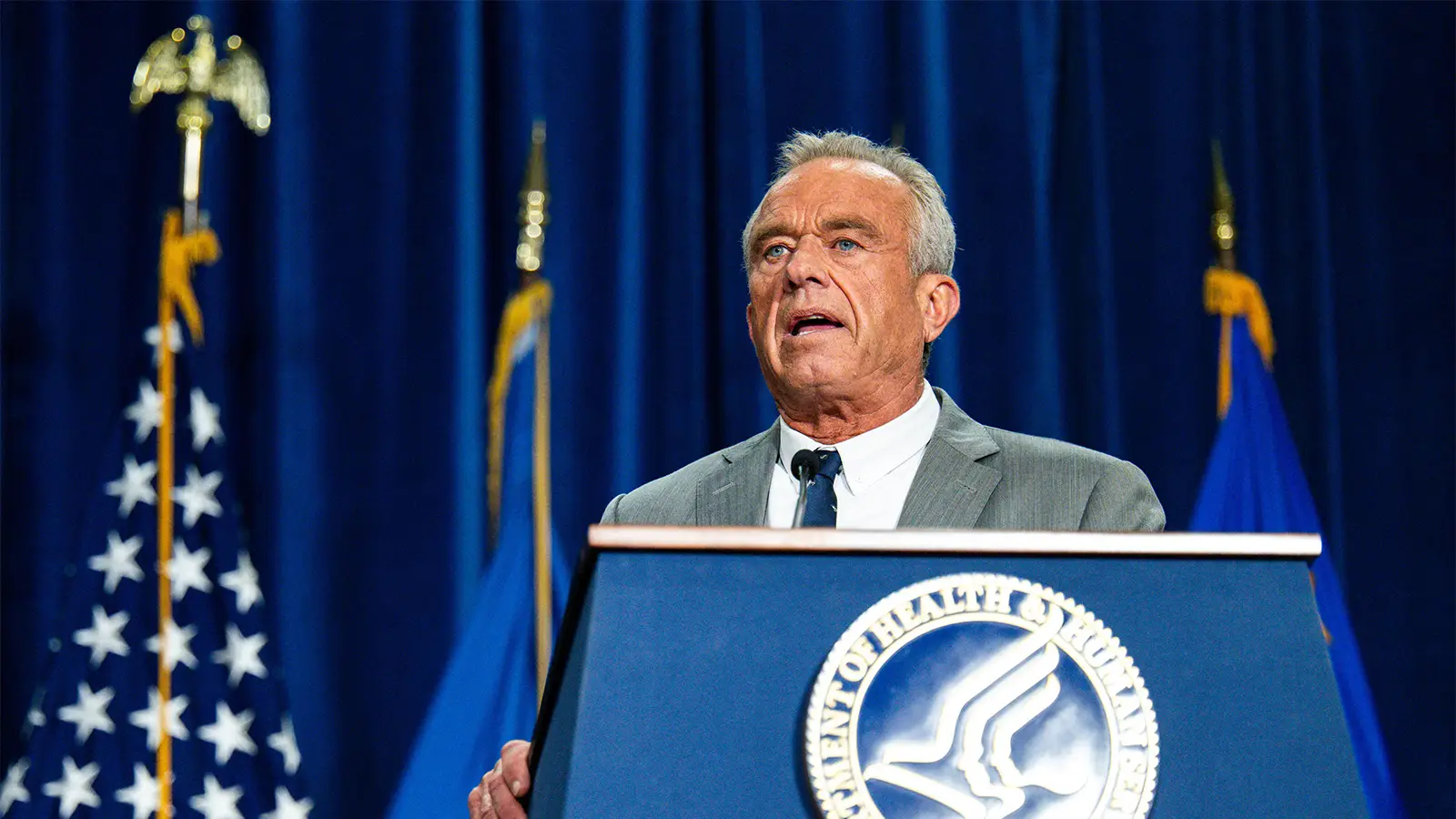
The reasons stated in the dismissal letters signed by HHS Secretary Robert F. Kennedy were “administrative” rather than performance based, and intended to “help protect the task force and preserve confidence in the continuity and durability of its work.”
We suspect that these dismissals and the call for new applicants, which encourages the nomination of specialists, will do the exact opposite for the USPSTF.
This is not the first time this administration has taken aim at the USPSTF. Since taking the helm at HHS, Kennedy has postponed a year’s worth of in-person meetings (where recommendations are discussed, refined, and voted on); failed to appoint and orient new members to task force evidence synthesis methods as some finished their terms, leaving half of the task force’s seats vacant; and failed to approve the updated cervical cancer screening recommendation that for the first time would put access to screening for this potentially lethal disease in the hands of women by making self-testing an option. The cumulative impact of these actions, along with the recent firing of the USPSTF leadership, will contribute to worse health outcomes for many Americans.
Meanwhile, HHS issued a call in the Federal Register seeking nominations for new USPSTF members. It states: “To obtain a broad range of expertise, AHRQ [Agency for Healthcare Research and Quality] encourages nominations of physician specialists in anesthesiology/pain management, cardiology, endocrinology, family medicine, gastroenterology, hematology/oncology, internal medicine, obstetrics and gynecology, pediatrics, preventive medicine, radiology, and experts in health economics.”
The inclusion of multiple specialists, many of whom make more money when they perform more diagnostic tests, raises our concern that for the first time in 40 years USPSTF members will have real (or, at the very least, the appearance of) financial conflicts of interest and specialty bias when formulating recommendations. In addition, specialists will often have little expertise in the broad gamut of preventive recommendations the task force addresses. What would a radiologist or anesthesiologist, say, have to offer in a discussion of lipid screening in children, or interventions to prevent falls in the elderly?
Furthermore, not specifically calling for nominations from those with advanced skills in evidence-based medicine suggests to us that Kennedy may be moving the USPSTF away from relying on the wealth of clinical trial evidence and rigorous modeling historically used to inform task force recommendations.
Abandoning the selection of new members with a strong skill set in the field of medical evidence synthesis, combined with the potential loss of the primary care majority, would erode physician and public trust in the USPSTF recommendations. These recommendations are a critically important source of information that primary care clinicians, who implement most preventive care, rely on every day for virtually every patient visit. If the existing evidence-based recommendations are retired and new recommendations are made that have not been developed by a transparent, rigorous approach, primary care clinicians won’t know which services have been proven to improve their patients’ health. The result will likely be more people experiencing preventable conditions in areas like cardiovascular disease and mental health, and more people dying because they were not screened for diseases like cancer.
As two former USPSTF members who each served for 7 years, including leading the group as chairs, and as primary care doctors whose practices have been guided by the USPSTF recommendations for decades, we implore Secretary Kennedy to reconsider his most recent actions. Do not abandon the carefully constructed selection criteria and onboarding process for new members that have been highly effective for over 40 years as you exercise your right to add or replace the members on the USPSTF. Many fear that you are making errors that will cost many Americans their health, and for some, their lives.
The views expressed are solely those of the authors and do not represent the USPSTF, the David Geffen School of Medicine at UCLA, or Harvard Medical School.
Source link : https://www.medpagetoday.com/opinion/second-opinions/121474
Author :
Publish date : 2026-05-28 17:48:00
Copyright for syndicated content belongs to the linked Source.