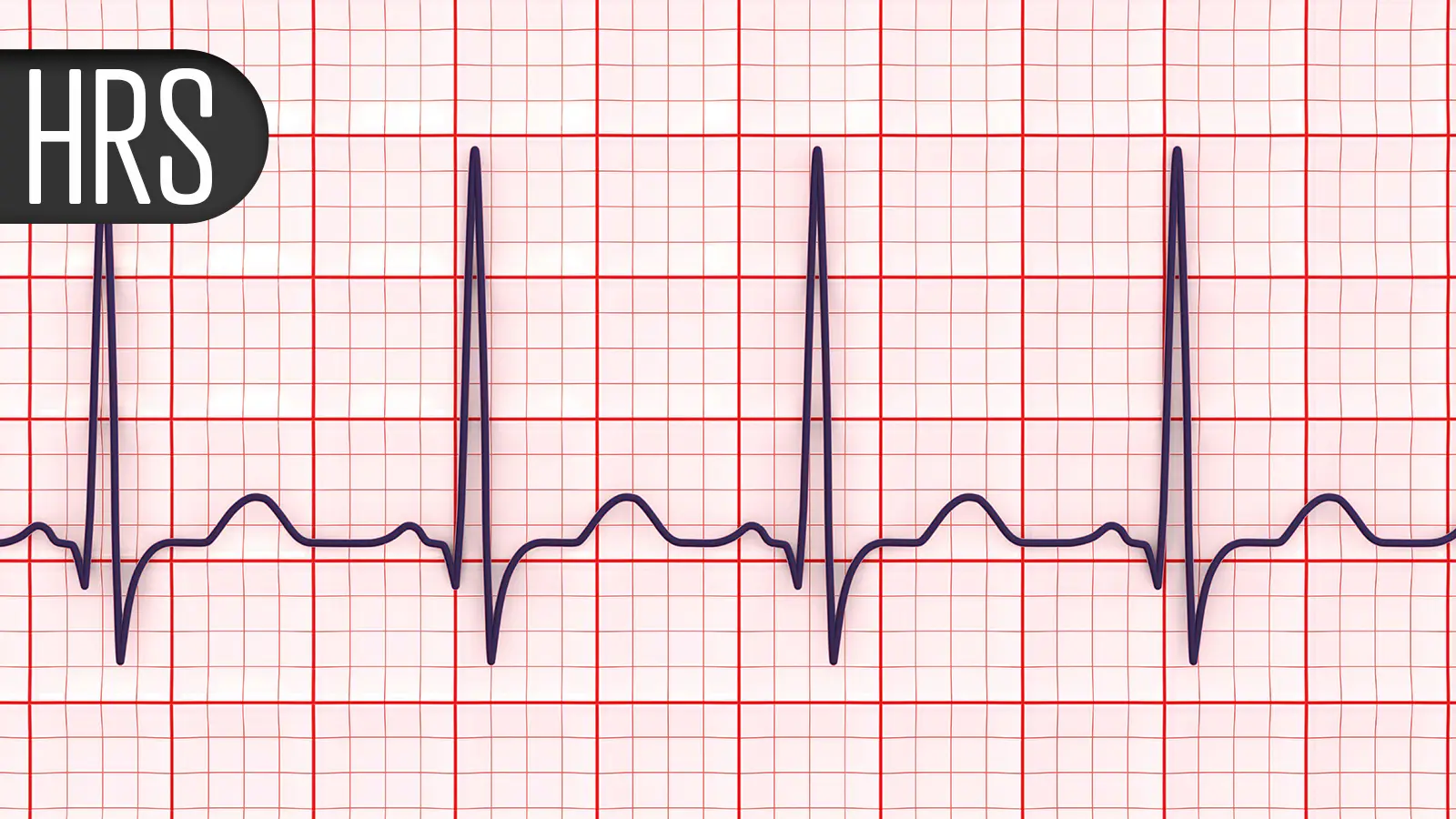
The epidemiology of sudden cardiac deaths (SCDs) was turned on its head Thursday, with research showing that in reality, ischemic cardiac disease is not the leading driver of SCDs, as previously thought.
From a prospective autopsy study of unselected deaths in San Francisco County, California, it was evident that out of 943 presumed SCDs, 62% were autopsy-confirmed, and only 41% of those were due to myocardial infarction (MI) upon comprehensive postmortem and histologic evaluation — “one-half the long-accepted 80% prevalence among SCDs,” according to Zian Tseng, MD, MAS, of University of California San Francisco, and colleagues of the POST SCD study.
For the remaining 59% of autopsy-confirmed SCDs not traced to an MI, they can be explained by a range of causes including hypertensive heart disease, dilated cardiomyopathy, substance-related cardiomyopathy, and normal heart primary electrical disease. When an MI was involved, nine in ten cases were attributed to acute or healed MI with obstructive coronary artery disease, and one in ten related to acute MI with nonobstructive coronary arteries (MINOCA).
The study was presented at the annual meeting of the Heart Rhythm Society (HRS), held in Chicago this year. A full manuscript was published in the Journal of the American College of Cardiology.
Importantly, the countywide study did not rely on coronary angiographic data obtained from patients who survived the initial resuscitation, a source of potential selection bias in prior studies.
“For decades, MI was considered the leading cause of SCD,” according to an accompanying editorial by Florence Dumas, MD, PhD, and Alain Cariou, MD, PhD, both of Paris Cité University, Inserm. “Consequently, most research and management efforts have been focused on MI as a cause of SCD.”
“Carried out in an unselected population, these results highlight that the actual proportion of SCD in which MI was considered as responsible cause is much lower and that a substantial proportion are associated with nonobstructive coronary disease and disorders other than coronary disease, which leads to a different view of the epidemiology of SCD. As a consequence, efforts should also be made to study the diagnosis and management of heart conditions other than ischemic cardiac disease,” the duo stressed.
In a separate report, also presented at HRS and published in the same journal, the POST SCD authors made a case for better detection of occult cardiac disease to reduce SCDs.
From the pool of 877 presumed SCDs with accompanying documentation of at least one healthcare visit, 58% ended up with autopsy-defined arrhythmic causes (i.e., potentially rescuable with defibrillator).
Although two out of three of these arrhythmic SCDs occurred in people with no diagnosed risk factors (e.g., ejection fraction ≤35%, heart failure, prior MI, syncope), these “silent” arrhythmic deaths had evidence of occult MI or dilated cardiomyopathy (DCM) in about half the cases, the other half being otherwise associated with some distinct cardiac features such as increased heart weight and larger left ventricular diameter.
“These observations should draw our attention to the significant deficiencies that persist in screening at-risk patients and implementing primary prevention for them. This requires a better understanding of risk factors by clinicians as well as subclinical symptoms by the public,” commented Dumas and Cariou.
“By demonstrating, in particular, that widely used risk factors are missed by two-thirds of individuals dying suddenly from lethal arrhythmia, they challenge current prevention strategies. By revealing that one-half of these silent arrhythmic deaths had occult MI or dilated cardiomyopathy detected by autopsy (whereas the remainder still had other cardiac diseases), they reaffirm the critical importance of improved detection of occult cardiovascular disease in preventing sudden death,” they wrote.
“These findings must now be taken into account, and collective reflection is needed on the measures to be implemented,” the editorialists stressed.
For POST SCD, investigators had a real-world population of all residents and inhabitants of San Francisco County, California who died of out-of-hospital cardiac arrest at 18 to 90 years of age. From February 2011 to March 2014, all incident presumed SCDs countywide were tallied. An extended cohort, spanning March 2014 to March 2023, was included based on medical examiner call schedule (approximately every third day).
This came out to a 12-year countywide study where 943 deaths were listed as presumed SCDs and 237 went on to be autopsy-confirmed SCDs due to MI.
Out of the 513 autopsy-defined arrhythmic deaths, 32% had diagnosed risk factors, 31% apparently had occult MI or DCM, and the remaining 36% were individuals who were particularly young and with less cardiac pathology when they died, but still had increased heart weight, larger left ventricular diameter, and more significant coronary disease when compared to a reference group of trauma deaths.
Among other findings from the study were significant racial differences in the number of SCDs attributable to MI.
Additionally, the left anterior descending artery and right coronary artery were most commonly affected among SCDs due to MI with obstructive disease. Nonarrhythmic causes were twice as common in MINOCA SCDs than with obstructive coronary artery disease. Total fibrosis burden was similar between the two types of MI SCDs.
Tseng and colleagues acknowledged that histopathological evidence of acute MI may not be present in the hyperacute phase of acute MI or coronary spasm, thus leaving room for underdiagnosis of SCDs due to MI in POST SCD.
Additionally, not every incident presumed SCD in San Francisco County was captured given the constraints of the latter phase of the study.
Source link : https://www.medpagetoday.com/meetingcoverage/hrs/120934
Author :
Publish date : 2026-04-23 21:03:00
Copyright for syndicated content belongs to the linked Source.